The term “latex mattress” covers three fundamentally different compositions — natural, synthetic, and blended — each with distinct performance characteristics, price points, and environmental profiles. Understanding these differences is essential because a mattress labeled “latex” could contain anywhere from 100% natural rubber tree sap to 100% petroleum-derived synthetic foam.
Latex as a material has been available for decades now but its use as a mattress material is only about two decades old. The major hindrance to using latex as a mattress material has been the major drawback in the manufacturing processes. With new technology and good production techniques latex as a material, has become the standard for all mattresses.
Latex mattresses are available in tow forms and these are the natural latex and synthetic latex. A lot of people are not able to sleep well with all those chemical smells emanating from the mattress. That is why there is natural latex. Natural latex is much more expensive than the regular mattress. That said people who have known allergies should not be using synthetic latex.
Again new materials keep getting invented and now there are the memory foam mattresses which are making their presence felt. These mattresses though are very expensive and also the number of manufacturers making them is limited.
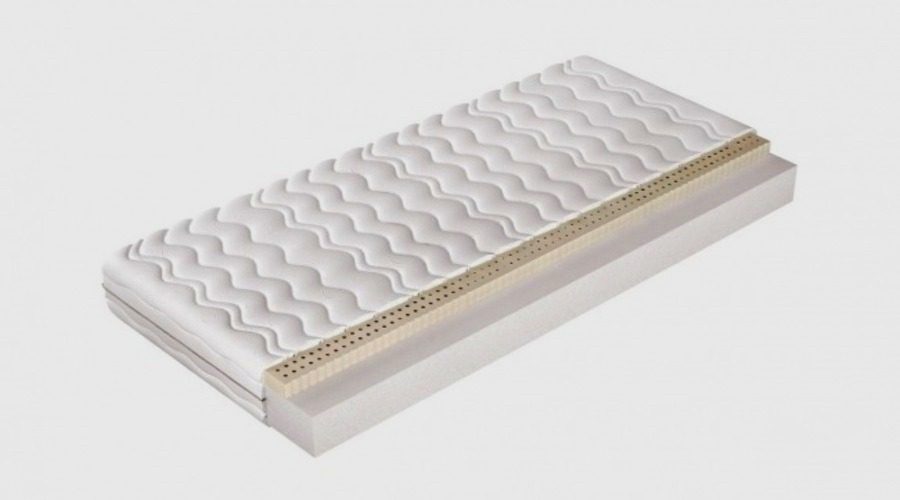
The latex material needs some airflow so that the air can provide the regular cushion. This airflow is provided by the perforations made in the material. This is a stark contrast to the memory foam which does not have any perforation and is generally very soft. The material has a special ability to slowly come back to its original position. This helps as then you can use this material for helping people who have backache or shoulder ache while sleeping.
The latex as a material is used by people who have orthopedic problems. The material is very soft and can be easily procured.
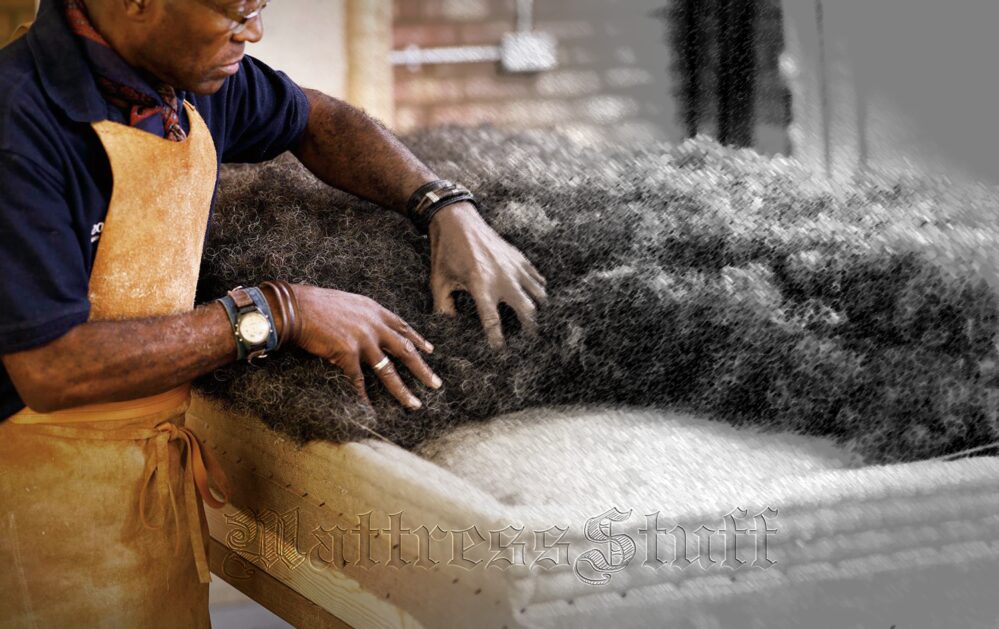
In terms of cost also latex mattresses are much less expensive than the cost of the memory foam mattresses. In case you have backache and other back issues always consult the physician before buying a particular type of mattress.
Understanding Latex Foam mattress construction
Latex foam mattresses can be constructed as all-latex designs or as hybrid combinations with other materials, and understanding the construction helps you evaluate quality and expected performance. All-latex mattresses typically feature 2-3 layers of latex in different firmness levels, with softer latex on top for pressure relief and firmer latex below for core support — this layered approach allows manufacturers to create a range of firmness options using the same base material. The total thickness of the latex layers affects both comfort and durability; mattresses with at least 8-9 inches of pure latex generally provide adequate support for all body types, while thinner designs may not offer sufficient depth for heavier sleepers. Some budget-friendly options combine a thin comfort layer of latex with a polyfoam support core to reduce costs while still providing the surface feel of latex, though these hybrid constructions will not match the durability or consistency of an all-latex design.
Breaking In Your Latex Mattress
Unlike memory foam mattresses that may require weeks to break in, latex mattresses typically feel close to their final comfort level from the first night. However, there is still an adjustment period as your body adapts from your previous mattress, and you should give yourself at least 2-3 weeks before making a judgment. Some sleepers initially find latex mattresses too bouncy or responsive compared to memory foam’s slow-conforming feel — this buoyant quality is actually one of latex’s key advantages, as it makes repositioning during sleep easier and prevents the “stuck” feeling some people experience with memory foam. Natural latex may have a mild rubber scent when new that typically dissipates within a few days of airing; this odor is completely non-toxic and is simply the natural smell of the material. If you are transitioning from a very soft mattress, using a softer latex topper temporarily can ease the adjustment while still benefiting from the improved support of your new latex base.
See our guide to the best mattresses for back pain relief if discomfort is keeping you awake.
Ready to upgrade for better sleep? Browse our roundup of the best mattresses of 2026.