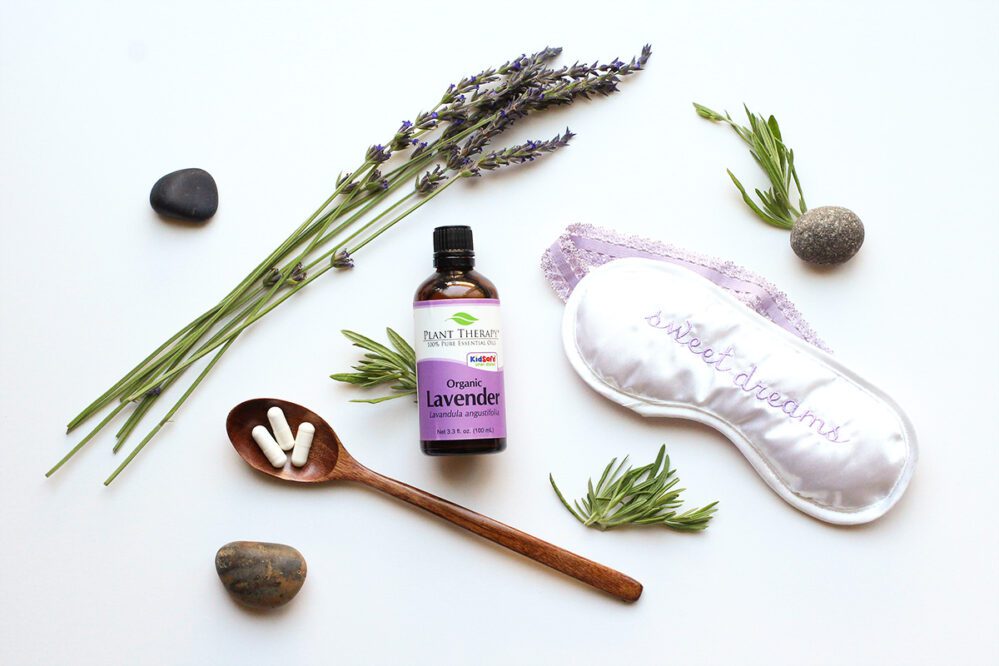
Natural Sleep Aids
Studies have been long focusing on natural sleep aids that can be found in plants, herbs, and traditional medicines. For some reason, people have always thought that sleep can be taken about by whatever food they take it.
But the truth is, sleep is a natural tendency among human beings. It is regulated by the body itself, not by substances a teen or drunk. Read on to find out more about how your body regulates sleep.
At the center of our brains is the pineal gland. This particular gland creates melatonin, which is a hormone. This hormone is responsible for the body’s sleep-wake patterns, or its circadian rhythms. The amount of melatonin in the bloodstream is highest when it’s time for one to go to bed. This is entirely individualized.
This is why some people like to work during the day and sleep soundly at night, and others sleep in the daytime and are active at night.
How does melatonin work? It has been studied to bring about sleep faster by increasing feelings of drowsiness at the time the body is set to sleep.
It also increases the duration and improvements the quality of sleep. Aside from enhancing sleep, melatonin has also been found to decrease the chances of jet lag during long aerial travels.


Scientists have developed numerous natural sleep aids such as melatonin to help people sleep better.
However, the risk is always to be taken into consideration when using melatonin, because it is untested and unregulated, just like other natural dietary supplements. If one is to take melatonin, it is always best to consult one’s GP or get updates on research involving the said hormone.
Related: best mattresses of 2026
Related: top mattress brands compared
Building a Consistent Sleep Routine
While natural sleep aids can help on individual nights, building a consistent sleep routine is the most effective long-term strategy for quality sleep. Sleep researchers emphasize the importance of maintaining a regular sleep-wake schedule — going to bed and waking up at the same time every day, including weekends, helps calibrate your circadian rhythm and improves sleep onset and quality over time. Creating a pre-sleep wind-down routine of 30-60 minutes signals your body that sleep is approaching; this might include dimming lights, gentle stretching, reading, or taking a warm bath. Limiting screen exposure to blue-light-emitting devices (phones, tablets, computers) for at least one hour before bedtime is one of the most impactful changes you can make, as blue light suppresses melatonin production and delays sleep onset.
The Role of Your Sleep Environment
Your bedroom environment directly affects sleep quality, and optimizing it costs little but delivers significant benefits. Temperature is one of the most critical factors — your body temperature naturally drops during sleep, and a bedroom kept between 60-67°F (15-19°C) supports this natural process. Light exposure, even small amounts from electronic standby LEDs, alarm clocks, or streetlights through curtains, can disrupt melatonin production and fragment sleep; blackout curtains and removing or covering light sources create a darker sleeping environment. Noise disruptions can prevent deep sleep even when they do not fully wake you; a white noise machine or fan provides consistent background sound that masks intermittent noises like traffic, neighbors, or household sounds. Together with a supportive mattress and properly selected pillow, these environmental optimizations create the foundation for consistently restorative sleep.
See our guide to the best mattresses for back pain relief if discomfort is keeping you awake.
For step-by-step help, see our complete mattress buying guide.