Sleeping Habits
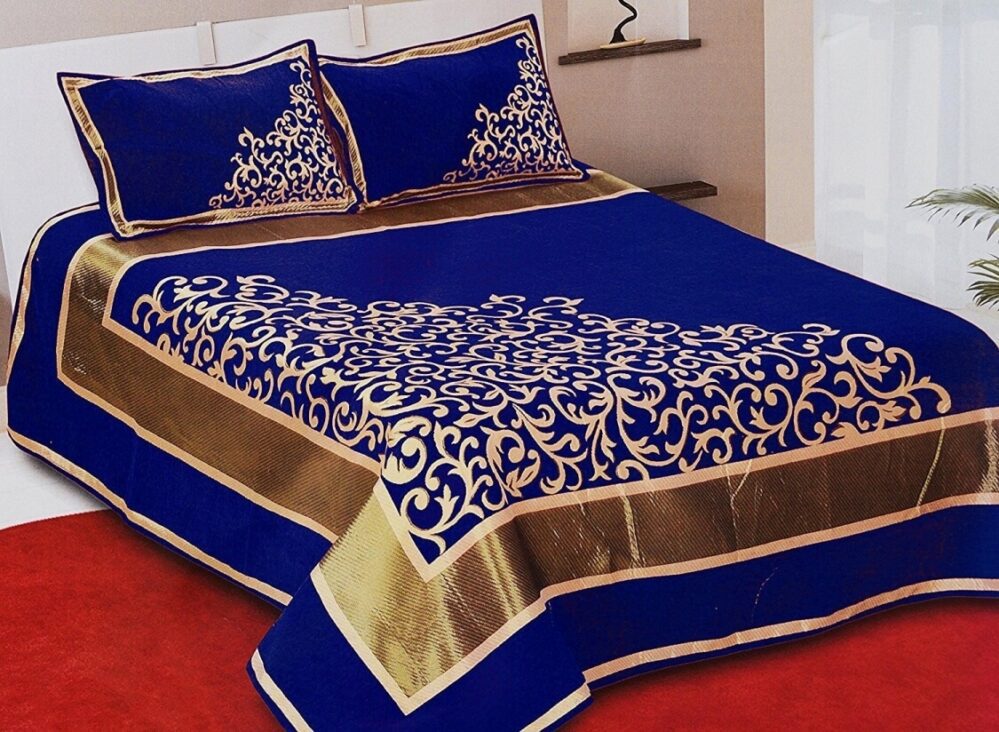
While the bedding you use makes a fashion statement, it’s more important to your sleeping habits than you may realize. Today most people love living in surroundings that are inviting and comfortable, and this is especially true when you are in the bedroom. You spend a lot of time sleeping, and good sleep is important to your health, so your bedding is very important.
Ever tried sleeping when you’re too hot or cold? If so, you know it does not work out very well. This is why you need bedding of materials that will keep you comfortable. Always choose bedding that will keep you at the perfect temperature for sleeping so you can enjoy a long night of rest.
Your bedding needs to be breathable as well. You want dyes that are organic so they do not hurt your skin, higher thread count can feel better to your skin, helping you to sleep better too.
Of course, not only is the bedding on the bed important, but the bed itself is important to your sleeping habits as well. If your mattress is uncomfortable, you can kiss a good night’s sleep goodbye. It’s always important to choose a high-quality mattress that is supportive and comfortable so you get the best possible sleep.
Behind comfort, there are many bedding items that are luxurious and that can add to your wonderful night of sleep. Beautiful goose feather pillows are wonderful for your head at night, and down comforters fall amazingly on your body when you go to sleep at night. Sometimes spending a bit more on bedding is the way to go if you want a great night of sleep.
Related: best mattresses of 2026

Related: comparing mattress brands
Related: mattress sizes guide
Related: organic vs regular mattress
Understanding Bedding Materials and Thread Count
The quality of your bedding significantly impacts sleep comfort, yet navigating the terminology and marketing claims surrounding sheets, blankets, and other bedding products can be confusing. Thread count — the number of threads per square inch — is often marketed as the primary indicator of quality, but this metric can be misleading. Legitimate high-quality sheets typically fall in the 300-600 thread count range, while counts above 800 often involve multi-ply yarns or marketing inflation rather than genuinely finer weaving. More important than thread count is the fiber quality and weave type: long-staple cotton (Egyptian, Pima, or Supima) produces smoother, more durable sheets than short-staple cotton regardless of thread count. Percale weave creates a crisp, cool feel ideal for warm sleepers, while sateen weave produces a softer, slightly warmer sheet with a subtle sheen.
Building a Complete Bedding System
A well-designed bedding system layers different elements to accommodate changing comfort needs throughout the year. The foundation starts with a quality mattress protector that shields against moisture, allergens, and stains while allowing breathability. Your fitted and flat sheets (or duvet cover) provide the primary sleeping surface and should be selected based on temperature preference and tactile comfort. A lightweight blanket or quilt serves as the temperature-regulation layer, easily added or removed as room temperature or personal comfort fluctuates during the night. A duvet or comforter provides the primary warmth layer, with fill power and weight determining its insulation level — consider owning both a lightweight summer duvet and a warmer winter option, or invest in a four-season duvet system with snap-together layers. Washing bedding weekly in hot water maintains hygiene and freshness, and rotating between two sets of sheets reduces wear and ensures you always have a clean set available.
See our guide to the best mattresses for back pain relief if discomfort is keeping you awake.