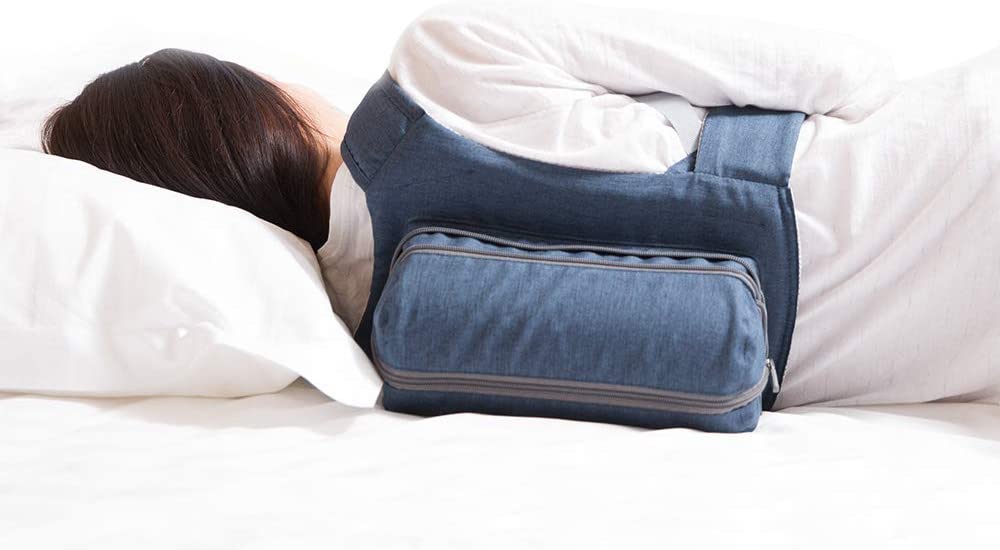
It is the “Roll” that makes it a “Neck Pillow”. A neck pillow is simply a regular pillow that gives your neck the needed support. Some other common names are a Chiropractic Pillow, Cervical Pillow, and an Orthopedic Pillow.
It is often called chiropractic pillow because Chiropactors are all about spinal alignment. It’s called a Cervical pillow because it supports your neck or Cervical spine. Orthopedists are all about the spine and other bones, hence the name “orthopedic pillow”.
The most important aspect of any neck pillow is the “neck roll”, keeping your alignment while on your back and side. When on your side, it keeps the spine level. When you are on your back, it helps to put that neck curve back.
That being said – your pillow can still look like a “pillow”. I say this because I’ve seen some real funky looking pillows …
But, the most important thing is that it does its job and is comfortable. For most, this also means you sleep well. Many also want to see their posture improve.
Your posture will improve as you align the spine. When we do this, a common byproduct is symptom relief. As we improve posture (in other words- align the spine), we take pressure off of nerves, and all sorts of good things happen.
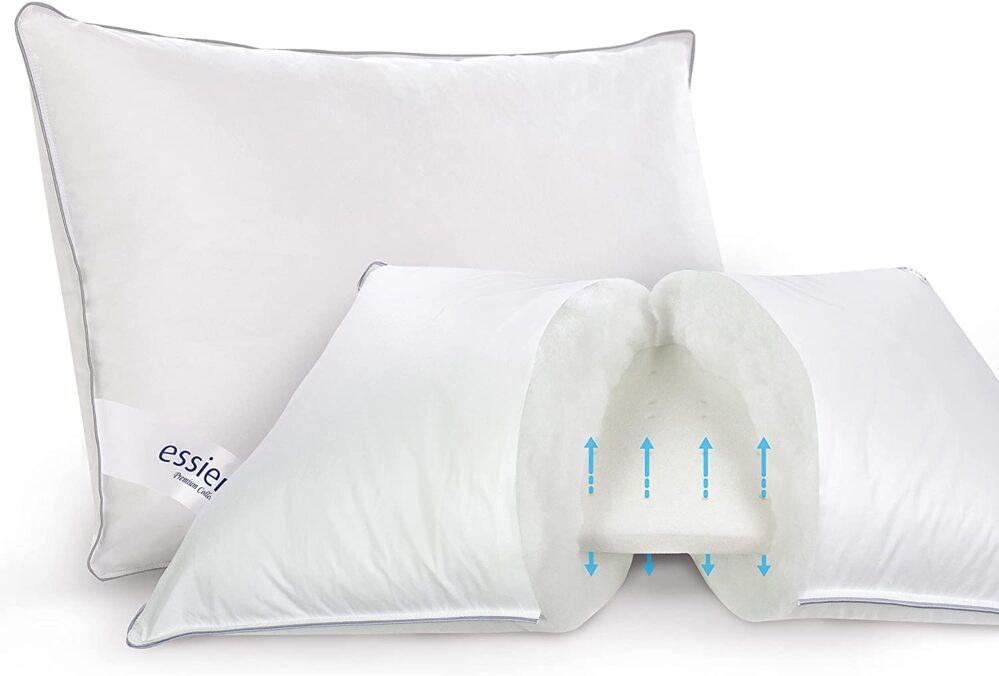
One of the more common postural misalignments is forward head carriage. This is when the head juts out forward. If you look at someone from the side, the ear lines up with the front of the shoulder. If their shoulders are significantly rolled forward, adjust for that.
Now, often when the head is forward, the normal “C” curve is often lessened. In fact, some develop a military neck (or straight neck).
So what can one do to fix this issue? First, you can see a doctor of Chiropractic. The can send you for or take a lateral X-ray. This will show you the curve; they may also adjust, give you exercises, and do neck traction. They may also recommend you a neck pillow.
This is something I would definitely do, as you are correcting spinal alignment while you sleep. You can also do home Traction as well as stretches and exercises. A couple good exercises might be head retractions and head extensions.
Lastly, you can lay on a neck roll (or your neck pillow) periodically during the day, for alignment. I have a video on YouTube where I demonstrate using a neck roll.
Best of luck, email us if you have any questions.
Related: best mattresses of 2026
Related: mattress brand showdown
Related: best pillows for side sleepers
Related: cooling vs regular pillow
Related: best mattresses for couples
Related: best RV mattress
Related: how to fix sleep posture
Related: best cooling mattresses
Related: how your mattress affects your body
Related: best mattresses for side sleepers
Related: king vs queen mattress
Choosing the Right Pillow for Your Sleep Style
Your pillow choice should complement your mattress and sleeping position to create a sleep system that keeps your spine in proper alignment from head to toe. Side sleepers generally need a thicker, firmer pillow (5-7 inches of loft) to fill the space between the shoulder and ear, keeping the neck and head aligned with the spine. Back sleepers typically perform best with a medium-loft pillow (3-5 inches) that supports the natural curve of the cervical spine without pushing the head too far forward. Stomach sleepers need the thinnest pillow possible (or no pillow at all) to prevent neck hyperextension that can lead to chronic pain and stiffness. If you change positions throughout the night, an adjustable-fill pillow that allows you to customize the loft offers the most versatile solution.
How Often Should You Replace Your Pillow?
Pillows accumulate dust mites, dead skin cells, body oils, and moisture over time, creating an increasingly unhygienic sleep surface that can exacerbate allergies and respiratory issues. Most sleep experts recommend replacing pillows every 1-3 years, depending on the fill material: synthetic fiber pillows have the shortest effective lifespan (12-18 months), down and feather pillows last 2-3 years with proper care, memory foam pillows maintain their properties for 2-3 years, and latex pillows can perform well for 3-4 years. A quick freshness test: if your pillow has a persistent odor even after washing, shows visible yellow staining that penetrates through the protector, or no longer springs back when folded in half, it is time for a replacement. Investing in a quality pillow protector and washing your pillowcase weekly can extend the useful life of any pillow by reducing the accumulation of contaminants that break down materials over time.
Looking for the right bed too? Browse our complete mattress buying guide.