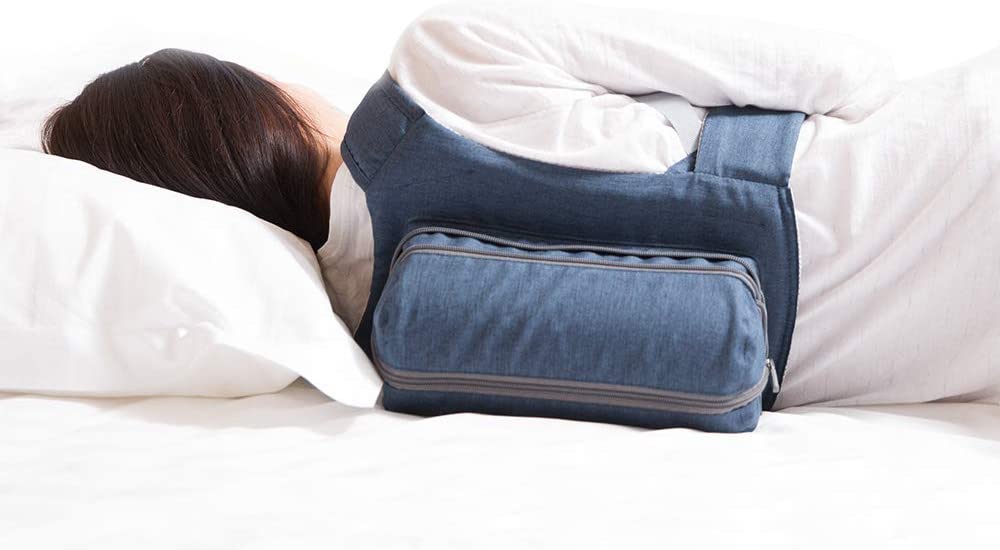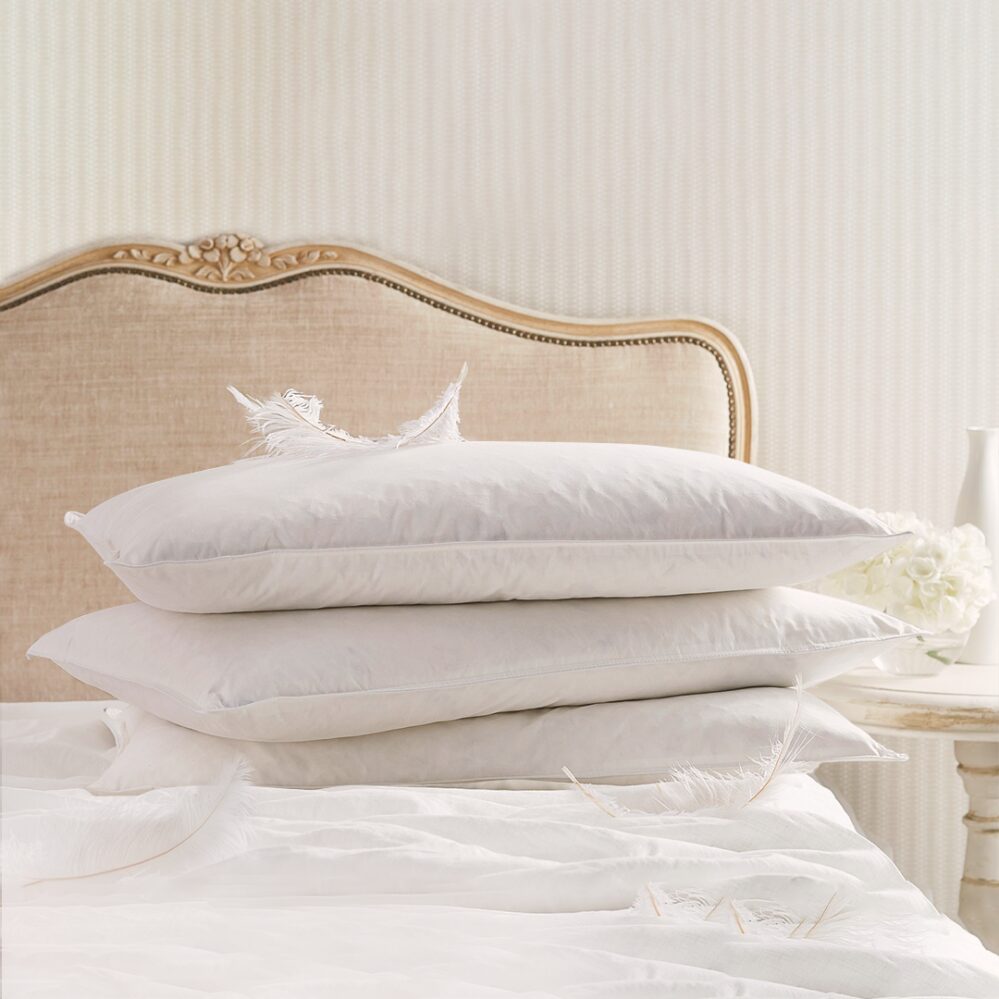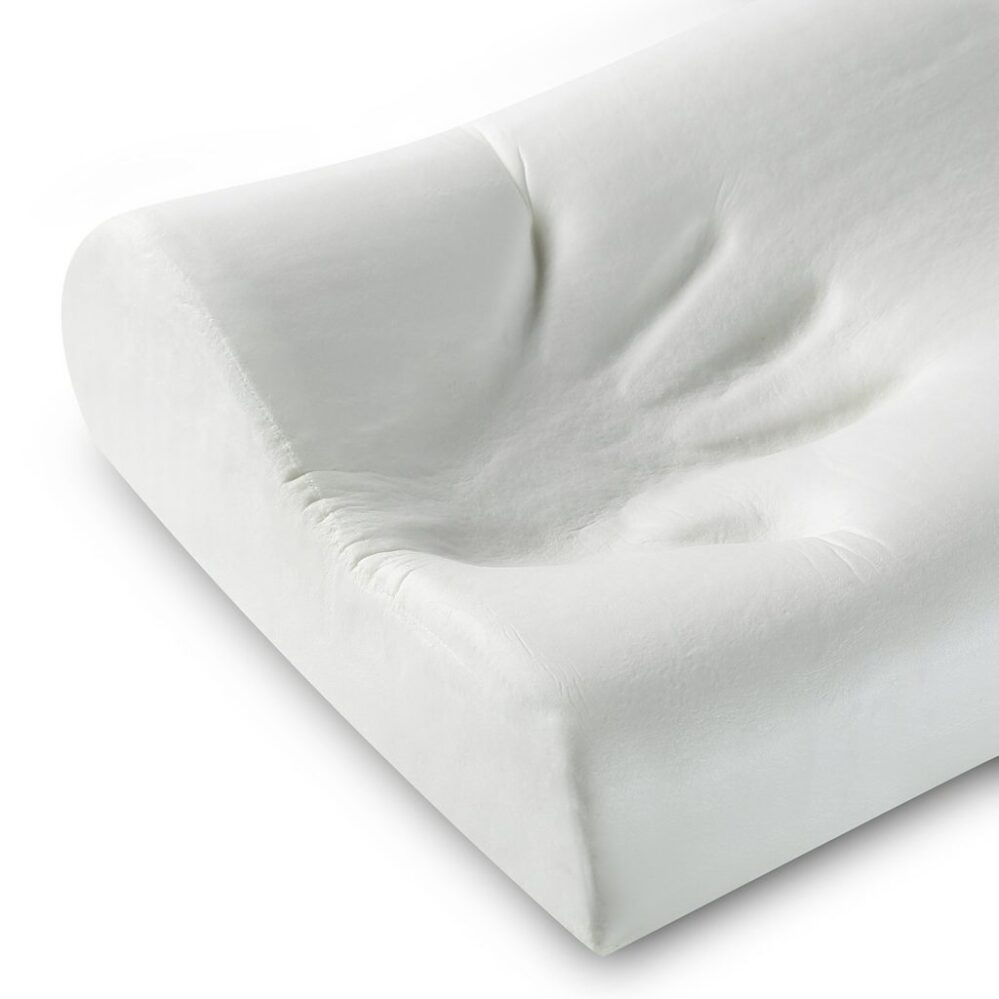
From memory foam pillows to travel pillows, neck pillows come in all shapes and sizes and they are designed to serve many purposes. See our memory foam vs latex topper.
Some pillows are meant to provide extra support in order to prevent soreness and others help to achieve proper spinal alignment.
Despite all of the differences in the various types of pillows, one fact remains true for all – there are many good reasons to use one.
1. A neck support pillow reduces stiffness and sore muscles by keeping the neck in alignment with the spine during sleep by providing a deep area for resting the head. This type of pillow is also frequently called a cervical pillow.
2. A neck support travel pillow serves to provide portable support to the neck while the user is in a sitting position. This type of pillow comes in a “U” shape which keeps the head from falling into an uncomfortable position during sleep.
These pillows are very frequently used on planes and during long car trips but they may not be the best neck pillow to use for long periods of time because they have a tendency to push the head forward which can cause stiffness in the neck.
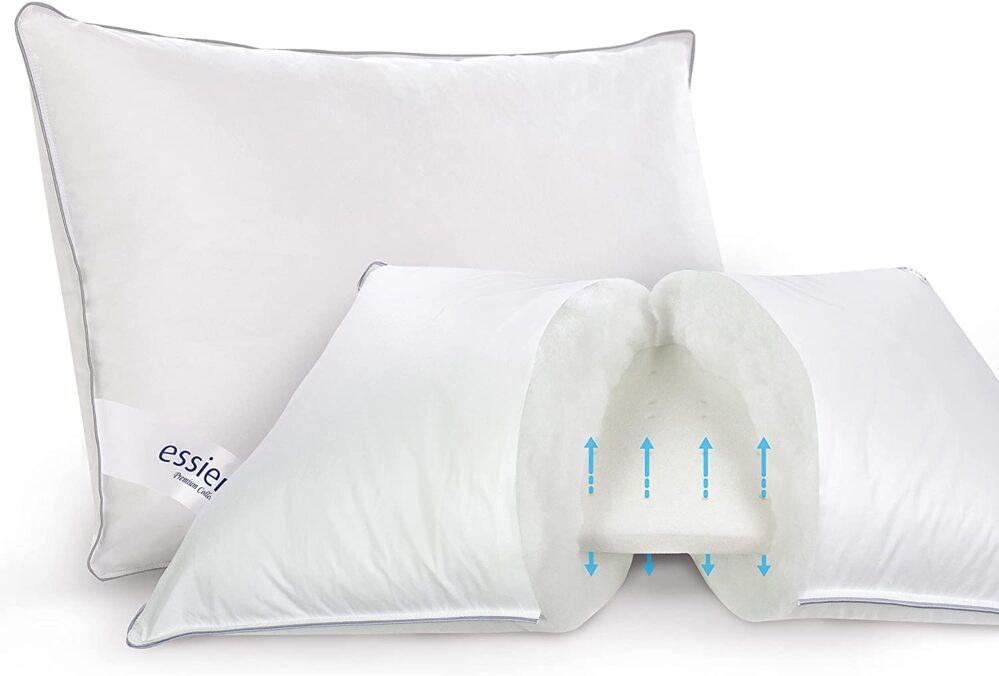
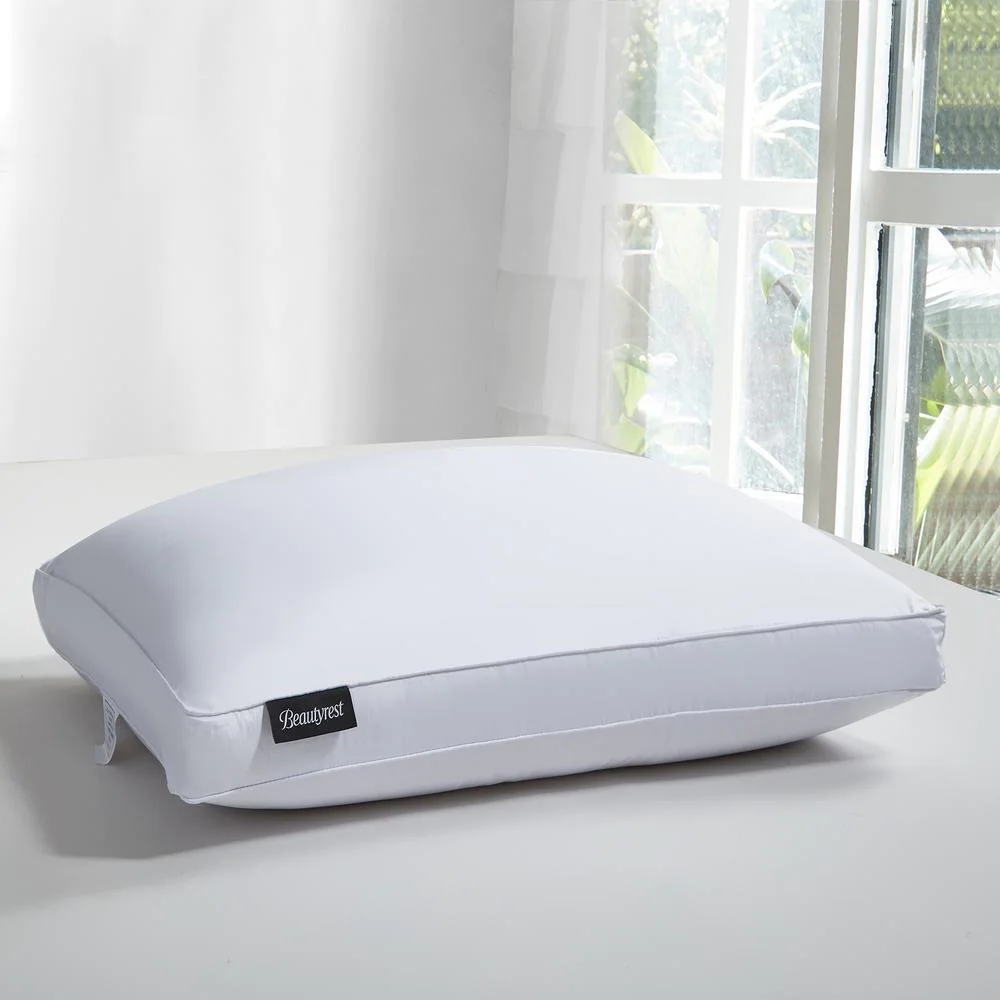
3. Even the best neck pillow is rather inexpensive. If pain relief and stiffness can be alleviated with the purchase of a pillow, you can save hundreds of dollars that might have been spent on visits to orthopedic doctors or chiropractors.
4. Because there are so many varieties on the market, it is possible for individuals to find one that suits their exact needs.
Neck pillows are available in different thicknesses to support the neck of those who sleep on their sides as well as those who sleep on their backs or stomachs.
There is also a variety of materials out of which they can be made to accommodate for those who have allergies to certain materials and simply to suit many individual preferences.
5. Neck pillows are also a great method of pain prevention. Even individuals who do not suffer from back, neck, or muscle pain, should consider using one because it will help to keep the spine properly aligned which prevents pain from occurring and becoming a chronic issue.
Related: best mattresses of 2026
Related: mattress brands ranked
Related: innerspring vs hybrid vs memory foam
Related: best pillows for side sleepers
Related: cooling vs regular pillow
Related: mattress sizes guide
Related: king vs queen mattress
Related: best RV mattress
Related: hypoallergenic mattress options
Related: organic vs regular mattress
Related: best cooling mattresses
Related: how your mattress affects your body
Related: best hybrid mattress
Related: mattress in a box vs traditional
Related: best mattresses for side sleepers
Related: best mattress toppers
Choosing the Right Pillow for Your Sleep Style
Your pillow choice should complement your mattress and sleeping position to create a sleep system that keeps your spine in proper alignment from head to toe. Side sleepers generally need a thicker, firmer pillow (5-7 inches of loft) to fill the space between the shoulder and ear, keeping the neck and head aligned with the spine. Back sleepers typically perform best with a medium-loft pillow (3-5 inches) that supports the natural curve of the cervical spine without pushing the head too far forward. Stomach sleepers need the thinnest pillow possible (or no pillow at all) to prevent neck hyperextension that can lead to chronic pain and stiffness. If you change positions throughout the night, an adjustable-fill pillow that allows you to customize the loft offers the most versatile solution.
How Often Should You Replace Your Pillow?
Pillows accumulate dust mites, dead skin cells, body oils, and moisture over time, creating an increasingly unhygienic sleep surface that can exacerbate allergies and respiratory issues. Most sleep experts recommend replacing pillows every 1-3 years, depending on the fill material: synthetic fiber pillows have the shortest effective lifespan (12-18 months), down and feather pillows last 2-3 years with proper care, memory foam pillows maintain their properties for 2-3 years, and latex pillows can perform well for 3-4 years. A quick freshness test: if your pillow has a persistent odor even after washing, shows visible yellow staining that penetrates through the protector, or no longer springs back when folded in half, it is time for a replacement. Investing in a quality pillow protector and washing your pillowcase weekly can extend the useful life of any pillow by reducing the accumulation of contaminants that break down materials over time.
Looking for the right bed too? Browse our complete mattress buying guide.