Table of Contents
You’ve decided your mattress needs help—but now you’re facing a $100–$400 decision between memory foam and latex toppers that most comparison guides get completely wrong. They’ll tell you memory foam is for pressure relief and latex is for support, as if these materials exist in separate universes. The real question isn’t which material is “better”—it’s which specific construction matches the specific problem you’re trying to solve with your current mattress.
Memory Foam vs Latex: Side-by-Side Performance Comparison
| Feature | Memory Foam | Latex |
|---|---|---|
| Price (3″ Queen) | $80–$250 | $150–$400 |
| Pressure Relief | ★★★★★ | ★★★★☆ |
| Temperature | ★★☆☆☆ (Warm) | ★★★★☆ (Cool) |
| Responsiveness | ★★☆☆☆ (Slow) | ★★★★★ (Bouncy) |
| Motion Isolation | ★★★★★ | ★★★☆☆ |
| Durability | 2–4 years | 5–8 years |
| Weight (Queen) | 15–25 lbs | 25–45 lbs |
| Off-Gassing | Moderate (3–7 days) | Minimal (natural) to moderate (synthetic) |
Memory Foam Toppers: Strengths and Limitations
Where Memory Foam Wins
Memory foam’s viscoelastic properties create a slow, conforming response that distributes body weight more evenly than any other topper material. A 3-inch, 4 lb/ft³ density memory foam topper can reduce pressure point intensity by 40–60% compared to sleeping directly on a firm mattress. For side sleepers experiencing hip and shoulder pain, this pressure redistribution is transformative. Memory foam also absorbs motion transfer with approximately 90% efficiency, meaning your partner’s movements barely register—a significant upgrade if you’re currently on a bouncy innerspring that transmits every toss and turn.
Where Memory Foam Falls Short
Heat retention remains memory foam’s fundamental weakness. Traditional memory foam absorbs and traps body heat, raising the sleep surface temperature by 3–5°F compared to latex. Gel-infused variants reduce this by roughly 30%, but still sleep warmer than latex. The second limitation is responsiveness: memory foam’s slow recovery (2–5 seconds to return to shape) makes repositioning feel like moving through quicksand. Combination sleepers who change positions frequently find this resistance frustrating. Density matters enormously—foams under 3 lb/ft³ develop permanent body impressions within 12–18 months, while 4+ lb/ft³ options maintain shape for 3–4 years. Always check density specifications, not just thickness, when comparing options.
Latex Toppers: Strengths and Limitations
Where Latex Wins
Latex’s open-cell structure creates natural airflow channels that keep the sleep surface 2–4°F cooler than memory foam—a meaningful difference for anyone who currently sleeps hot. Its responsive, bouncy feel (sub-second recovery time) makes position changes effortless, which combination sleepers and couples appreciate. Durability is latex’s strongest advantage: a quality natural latex topper maintains 90% of its original performance after five years, while memory foam typically degrades to 60–70% by the same point. Natural latex also resists dust mites, mold, and bacteria without chemical treatments—a genuine benefit for allergy sufferers.
Where Latex Falls Short
The initial investment creates the biggest barrier. A quality 3-inch natural latex topper costs $200–$400 for a queen—roughly double a comparable memory foam option. Weight is another practical consideration: a 3-inch queen latex topper weighs 30–45 lbs compared to 15–25 lbs for memory foam, making bed-making and topper rotation notably harder. Latex also provides less dramatic pressure relief than memory foam. While it cushions and supports effectively, it doesn’t create that distinctive “hugged” feeling that memory foam delivers. For sleepers specifically seeking deep contouring for joint pain, latex may feel insufficiently conforming.

Talalay vs Dunlop Latex: The Sub-Decision That Matters
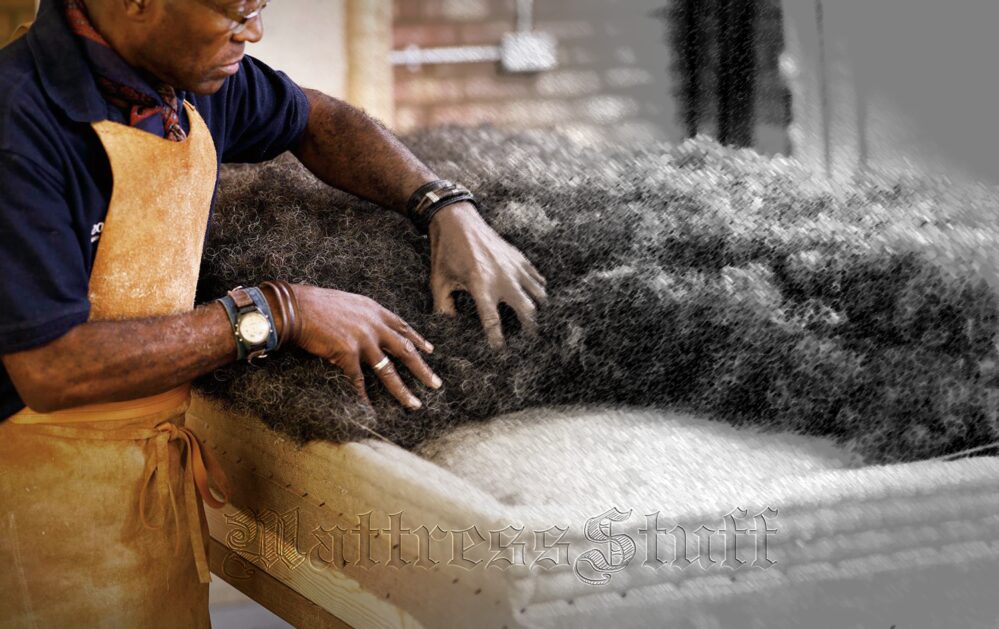
Not all latex toppers are created equal. The manufacturing process creates distinctly different feels that affect your experience as much as the memory-foam-vs-latex decision itself. Talalay-processed latex undergoes vacuum-sealing and flash-freezing that creates a consistent, airy cell structure—it feels softer, more responsive, and sleeps cooler. Dunlop-processed latex uses a simpler pour-and-bake method that produces a denser, firmer product with a heavier feel. Talalay costs 30–50% more than Dunlop but offers superior comfort layer performance. For toppers specifically, Talalay is almost always the better choice since you’re adding a comfort layer, not a support layer. Dunlop makes more sense as a base layer in full latex mattresses where its density provides foundational support.
What Most People Get Wrong: Thickness and Density Confusion
Here’s the counterintuitive insight that saves buyers hundreds of dollars: a 2-inch topper of the right density outperforms a 4-inch topper of the wrong density every time. For memory foam, the sweet spot is 3 inches at 3.5–4.5 lb/ft³ density. Going thicker than 3 inches often creates a “sinking” sensation that misaligns the spine, while going thinner provides inadequate pressure relief. For latex, 2–3 inches at 28–32 ILD (Indentation Load Deflection) suits most sleepers. The common mistake is buying the thickest available option assuming more material equals more comfort—it doesn’t. Excessive thickness, particularly in memory foam, pushes your body below the mattress’s support layer, potentially creating the very back pain you’re trying to prevent.
Decision Guide: Memory Foam or Latex for Your Situation
Choose Memory Foam If:
Your primary goal is maximum pressure point relief for side sleeping, your current mattress is too firm and you want a dramatic softening effect, you or your partner’s movement disrupts sleep, budget is the deciding factor and you need the most comfort under $150, or you prefer that distinctive cradled, slow-sinking sleep feel. The best value pick is a 3-inch, 4 lb/ft³ CertiPUR-US certified memory foam topper—brands like Tempur-Adapt ($200), Sleep Innovations ($120), and Lucid ($80) cover different budget tiers with reliable quality.
Choose Latex If:
You sleep hot and temperature regulation is a top priority, you change positions frequently during the night, you want a topper that lasts 5+ years rather than replacing every 2–3 years, you have allergies and want naturally antimicrobial material, or you prefer a responsive, slightly bouncy feel over a slow-conforming hug. Top options include PlushBeds Natural Talalay ($280), Sleep On Latex Pure Green ($170 Dunlop), and Saatva Latex Topper ($350). The cost-per-year calculation often favors latex despite the higher upfront price: $300 over 6 years ($50/year) versus $120 over 2.5 years ($48/year)—similar annual cost but less hassle.
How to Pair Your Topper With Your Existing Mattress
The topper-mattress interaction determines success more than the topper alone. On a firm innerspring mattress, memory foam provides the most noticeable transformation by adding the conforming layer these mattresses lack entirely. On a hybrid mattress that’s slightly too firm, latex adds comfort without sacrificing the hybrid’s responsive character. On an aging memory foam mattress that’s developed body impressions, a latex topper adds fresh support on top while the base foam below provides familiar contouring—memory foam on memory foam can create excessive sinking. On a soft mattress needing firmer support, choose a firm Dunlop latex topper rather than any memory foam option, since memory foam only adds softness, never firmness.
Topper Care and Longevity Tips
Both materials benefit from a fitted topper cover ($20–$40) that protects against moisture and body oils—the primary degradation accelerants for foam. Rotate your topper 180 degrees monthly to distribute wear evenly. Memory foam toppers should never be washed with water (it destroys cell structure); spot-clean with mild soap and thoroughly air-dry. Latex toppers are similarly water-sensitive but can be gently sponge-cleaned. Store either material flat, never folded—permanent creases form within 48 hours of folding. Keep both away from direct sunlight, which breaks down foam polymers and degrades latex rubber’s molecular bonds, accelerating the loss of comfort and support.
Verdict: The Right Topper for the Right Sleeper
For maximum pressure relief on a tight budget, a 3-inch memory foam topper at 4 lb/ft³ density delivers the highest immediate comfort improvement per dollar—the Sleep Innovations option at $120 hits this mark precisely. For long-term value, temperature regulation, and natural materials, a 3-inch Talalay latex topper justifies its $250–$350 price through superior durability and cooler sleep. The worst choice is buying a cheap, low-density version of either material—a $50 memory foam topper or a $100 synthetic “latex-like” topper will disappoint within months and waste money that should have gone toward a proper option. Invest in correct density at appropriate thickness, and either material transforms an adequate mattress setup into a genuinely comfortable one.
Frequently Asked Questions
Can I use a memory foam topper on a latex mattress or vice versa?
Yes, and these cross-material combinations often work exceptionally well. A memory foam topper on a latex mattress adds conforming pressure relief while the responsive latex base prevents the excessive sinking that occurs with memory-on-memory combinations. A latex topper on a memory foam mattress adds breathability and responsiveness that combat memory foam’s heat and slow recovery. The key is ensuring your topper is thinner than the mattress’s existing comfort layer to maintain proper spinal support from the base.
Will a topper fix a sagging mattress?
Temporarily and partially. A topper can mask sags under 1.5 inches by bridging the depression, but it cannot restore structural support. You’ll feel more comfortable initially, but the sag continues worsening beneath the topper and can create spinal alignment issues worse than the original problem. If your mattress shows visible body impressions deeper than 1.5 inches, a topper is a bandaid—replacement or a new mattress purchase is the correct solution.
Is synthetic latex as good as natural latex for toppers?
Synthetic latex (styrene-butadiene rubber or SBR) costs 40–60% less than natural latex but sacrifices most of the advantages that make latex attractive. Synthetic latex retains more heat, off-gasses significantly more, degrades faster (3–4 year lifespan vs. 6–8 for natural), and lacks the inherent antimicrobial properties of natural rubber. Blended latex (combining natural and synthetic) offers a middle ground but skews toward synthetic performance characteristics. If budget forces a synthetic latex purchase, memory foam at the same price often delivers comparable or better results.
What thickness memory foam topper do I need for side sleeping?
Three inches at 3.5–4.5 lb/ft³ density is optimal for most side sleepers. This thickness provides sufficient material to cradle hips and shoulders without excessive sinkage that misaligns the spine. Sleepers under 130 lbs can use a 2-inch soft option effectively, while those over 230 lbs should consider a 4-inch medium-firm topper to prevent bottoming out through the comfort layer. The density specification matters more than thickness—a 3-inch, 4 lb/ft³ topper outperforms a 4-inch, 2.5 lb/ft³ option for pressure relief and longevity.
Do memory foam toppers make noise?
Neither memory foam nor latex toppers produce noise themselves—they’re completely silent materials. However, the topper-on-mattress interaction can create rustling sounds if the topper slides against a slippery mattress cover. A fitted topper cover or non-slip pad ($10–$15) between topper and mattress eliminates this. The larger noise concern is actually your sheets—some fitted sheet materials create more friction noise against foam surfaces than against traditional fabric mattress covers.
Can latex toppers trigger allergic reactions?
Natural latex allergies affect approximately 1–2% of the general population (higher among healthcare workers due to latex glove exposure). Symptoms range from contact dermatitis to respiratory reactions in severe cases. A fitted cover between your skin and the latex topper provides adequate barrier for mild sensitivities, but people with confirmed latex allergies should avoid natural latex toppers entirely and choose memory foam or synthetic alternatives. If uncertain, request a sample piece from the manufacturer or consult an allergist before investing in a full topper.