Table of Contents
If you are reading this, there is a good chance you have been waking up with back pain and wondering whether your mattress is the problem. The answer is: probably. Research consistently shows that a mattress that does not match your body and sleep position can create or worsen spinal misalignment, increase pressure on discs and joints, and prevent the muscles along your spine from fully relaxing overnight.
But here is what most best mattress for back pain articles get wrong: they recommend a single mattress as if all back pain is the same. Lower back pain, upper back pain, sciatica, and herniated disc pain all respond differently to mattress construction. A mattress that relieves lower back pain by providing firm lumbar support might actually make shoulder pain worse by not allowing enough cushion at the thoracic spine.
This guide takes a different approach. We break down the best mattress for each type of back pain, explain why it works, and help you match the right construction to your specific condition. For a broader overview of top mattresses across all categories, start with our best mattresses 2026 guide.
Our Top Picks at a Glance
| Mattress | Best For | Firmness | Type | Price (Queen) |
|---|---|---|---|---|
| WinkBed (Luxury Firm) | Lower Back Pain | Medium-Firm (6.5/10) | Hybrid | $1,299 |
| Helix Midnight Luxe | Upper Back & Shoulder Pain | Medium (5/10) | Hybrid | $1,399 |
| Tempur-Pedic Adapt | Sciatica & Nerve Pain | Medium (5.5/10) | Memory Foam | $2,199 |
| Saatva Classic (Luxury Firm) | Herniated Disc / General Back Pain | Medium-Firm (6/10) | Innerspring Hybrid | $1,695 |
| Brooklyn Bedding Signature | Best Budget for Back Pain | Medium-Firm (6/10) | Hybrid | $799 |
| Purple Premier 3 | Back Pain + Hot Sleepers | Medium (5/10) | Hybrid | $2,299 |
- You wake up with back pain that improves after moving around during the day
- You have been diagnosed with a specific condition like sciatica, herniated disc, or degenerative disc disease
- You suspect your current mattress is too old, too firm, or too soft for your back
- You want a mattress recommendation matched to your specific type of back pain, not a generic list


- People whose back pain persists throughout the day regardless of sleep — see a doctor first, a mattress alone will not solve a medical condition
- Strict side sleepers focused purely on shoulder comfort — our side sleeper mattress guide is more targeted
- Anyone looking for the cheapest possible mattress — quality back support requires decent materials
How Your Mattress Causes (or Fixes) Back Pain
Your spine has a natural S-curve. When you lie down, the mattress needs to support this curve without flattening it or exaggerating it. When the mattress fails to do this, your back muscles work overtime to compensate, leading to stiffness and pain by morning.
Three things go wrong most often. First, a mattress that is too soft allows the heaviest part of your body — typically the hips — to sink too deep. This creates a hammock effect where your lower back drops below your shoulders and hips, stretching the lumbar spine out of its natural curve. Second, a mattress that is too firm pushes back against your body contours, preventing your shoulders and hips from sinking at all. This forces the spine into an unnaturally straight line, which strains the muscles and ligaments that maintain the S-curve. Third, an old mattress with a body impression creates uneven support, where some areas push too hard and others provide no support at all.
The fix is not simply buying a firmer mattress, despite what many people believe. The fix is finding the right balance of support and pressure relief for your specific body weight, sleep position, and pain location. To understand how different mattress types address these issues, our guide to choosing a mattress for back pain covers the foundational principles.
Best Mattress for Lower Back Pain: WinkBed (Luxury Firm)
Lower back pain is the most common complaint, and it almost always comes down to inadequate lumbar support. The lumbar region sits in the gap between your ribcage and pelvis, and without proper support, it bows downward under gravity when you lie on your back or side.
The WinkBed in Luxury Firm addresses this with a reinforced lumbar zone built into both the euro-top and the pocketed coil system. The coils in the center third of the mattress are firmer gauge steel, providing targeted support exactly where the lumbar spine needs it. Above that, the euro-top provides enough cushion to prevent pressure buildup without allowing the hips to sink past the point of neutral alignment.
Who it is for
Back sleepers and combination sleepers between 150 and 300 pounds with chronic lower back pain or stiffness upon waking. The reinforced lumbar zone makes a noticeable difference compared to mattresses with uniform support across the entire surface.
Who should skip it
Side sleepers with lower back pain who also have shoulder sensitivity. The Luxury Firm model prioritizes spinal support over shoulder pressure relief. If you sleep on your side, the Helix Midnight Luxe balances both better.
Best Mattress for Upper Back & Shoulder Pain: Helix Midnight Luxe
Upper back pain between the shoulder blades typically results from the mattress pushing too hard against the thoracic spine, or from the shoulders not sinking enough to keep the upper spine in line with the lower spine. This is especially common in side sleepers whose entire shoulder bears weight against the mattress surface.
The Helix Midnight Luxe uses a zoned coil system where the coils under the shoulder area are thinner and more responsive, allowing the shoulders to compress deeper into the mattress. Simultaneously, the lumbar zone coils are firmer, preventing the midsection from sagging. The result is natural spinal alignment from neck to tailbone without the shoulder pressure that causes upper back stiffness.
Who it is for
Side sleepers and back sleepers who wake up with stiffness between the shoulder blades or pain radiating from the upper back into the neck. The zoned approach solves the conflict between needing softness at the shoulders and firmness at the lower back.
Who should skip it
People over 250 pounds whose body weight compresses the comfort layers past the zoned coils, reducing the zoning effect. Heavier individuals should look at the WinkBed Plus model, which is designed for higher weight ranges.
Best Mattress for Sciatica: Tempur-Pedic Adapt
Sciatica pain originates from compression of the sciatic nerve, which runs from the lower back through the buttocks and down each leg. A mattress that puts pressure on the gluteal area or forces the pelvis into a position that pinches the nerve pathway will intensify sciatica symptoms overnight.
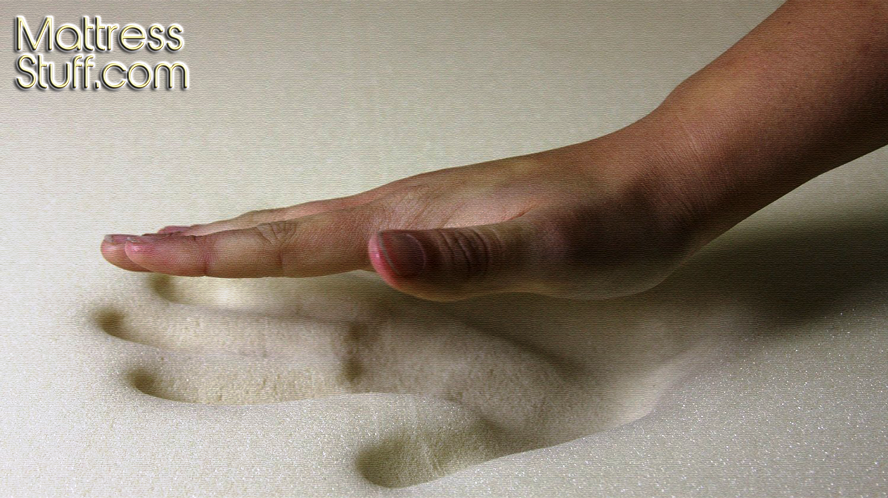
The Tempur-Pedic Adapt uses dense, slow-responding TEMPUR material that conforms precisely to body contours. This is critical for sciatica because the mattress needs to distribute weight so evenly that no single point creates enough pressure to aggravate the nerve. Memory foam does this better than any other material because it literally molds around the shape of your body.
Who it is for
People diagnosed with sciatica, piriformis syndrome, or SI joint dysfunction who need maximum pressure distribution. Back sleepers will benefit most, but side sleepers with sciatica also find relief because the deep contouring prevents the hip from pressing into a hard surface.
Who should skip it
Hot sleepers. TEMPUR material sleeps warmer than hybrid alternatives. If you have sciatica but also overheat at night, the Purple Premier 3 offers good pressure relief with dramatically better cooling. Also not ideal if you prefer a responsive, bouncy feel — Tempur-Pedic is the definition of slow-sinking foam. For a look at how smart mattress technology can also help with back pain, see our article on smart mattresses and back pain.
Best Mattress for Herniated Disc: Saatva Classic (Luxury Firm)
A herniated disc requires a mattress that maintains consistent spinal alignment without any sagging or uneven support. The disc is already compromised, and any flexion or extension beyond neutral puts additional pressure on the herniation. What you need is a mattress that holds your spine in place throughout the night.
The Saatva Classic uses a dual-coil innerspring system — individually wrapped comfort coils on top of a high-density base coil layer. This creates exceptionally consistent support across the entire surface. Unlike foam, which conforms and shifts as your body heat softens it, the Saatva maintains its support characteristics all night long.
The Luxury Firm configuration provides the ideal firmness for disc issues. It is supportive enough to prevent the hammock effect that strains the disc, but cushioned enough at the pillow top to prevent pressure points that cause you to shift positions frequently. For herniated disc patients, minimizing position changes during sleep reduces the chances of aggravating the disc overnight.
Who it is for
People with diagnosed herniated or bulging discs, degenerative disc disease, or spinal stenosis who need consistent, reliable support. Back sleepers will find the most benefit, but combination sleepers who move between back and side also do well with the Luxury Firm configuration.
Who should skip it
Dedicated side sleepers with herniated discs. The Luxury Firm may not provide enough shoulder sink for comfortable side sleeping over long periods. Also not the best choice if you want a mattress-in-a-box experience — Saatva uses white glove delivery only, which some people find less convenient.
Best Budget Mattress for Back Pain: Brooklyn Bedding Signature
Not everyone can spend $1,500 or more on a mattress. The Brooklyn Bedding Signature delivers genuine back pain relief at $799 for a queen, making it the most affordable option in this guide that does not compromise on the features that matter for spinal health.
The TitanFlex foam comfort layer is responsive and supportive, avoiding the deep sinking that aggravates lower back pain. The individually wrapped coil system provides zoned support with reinforced center coils for lumbar stability. It is a straightforward, well-built hybrid that covers the fundamentals without any exotic materials or gimmicks.
Who it is for
Budget-conscious shoppers with mild to moderate back pain who need a genuine upgrade from a worn-out mattress. The Medium Firm option is the right choice for most back pain sufferers. Also good for anyone who wants hybrid construction without a four-figure price tag.
Who should skip it
People with severe or chronic back conditions like herniated discs or advanced sciatica. These conditions require the more precise pressure distribution that premium materials like TEMPUR foam or dual-coil systems provide. The Brooklyn Bedding is good, but it is not medical-grade support.
Best for Back Pain + Hot Sleepers: Purple Premier 3
Sleeping hot and dealing with back pain at the same time creates a double problem: heat causes you to toss and turn, and every position change is an opportunity for your spine to fall out of alignment. You need a mattress that manages temperature and maintains support simultaneously.
The Purple Premier 3 uses the GelFlex Grid, which provides pressure relief through buckling columns rather than foam compression. The open grid structure allows continuous airflow, making it the coolest mattress in this guide by a significant margin. The 3-inch Grid provides enough depth for genuine contouring at the hips and shoulders while the hybrid coil base maintains spinal alignment. For more details on how Purple’s technology works, read our Purple mattress review.
Who it is for
People with back pain who also sleep hot, go through menopause, or live in warm climates. Side sleepers and combination sleepers between 130 and 230 pounds will find the best balance of cooling and support.
Who should skip it
Anyone on a strict budget — the Premier 3 is $2,299 for a queen. Also not ideal for people who want the slow, deep hug of memory foam. Purple’s Grid is responsive, not conforming. If maximum contouring is your priority for back pain, the Tempur-Pedic Adapt delivers more.
Mattress Firmness Guide for Back Pain by Sleep Position
Your sleep position changes which firmness level relieves versus causes back pain. Here is the breakdown:
Back Sleepers with Back Pain
Aim for medium-firm to firm (6 to 7.5 on a 10-point scale). Back sleeping distributes weight relatively evenly, so you need enough firmness to keep the lumbar spine from bowing but enough cushion to fill the natural gap at the small of your back. A mattress that is too soft lets your hips drop; too firm leaves an unsupported gap at the lower back.
Side Sleepers with Back Pain
Aim for medium to medium-firm (5 to 6.5 on a 10-point scale). Side sleeping concentrates weight on the shoulder and hip, and if the hip cannot sink enough, the spine tilts and the lower back absorbs the misalignment. You need more give at the hip than back sleepers, but not so much that the midsection sags. For brand-specific side sleeper recommendations, check our side sleeper mattress guide.
Stomach Sleepers with Back Pain
Aim for firm (7 to 8 on a 10-point scale). Stomach sleeping is the hardest position on the lower back because the midsection naturally wants to sink into the mattress, creating hyperextension in the lumbar spine. A firm mattress prevents this sinking. Honestly, if you have back pain and sleep on your stomach, the best thing you can do is train yourself to sleep on your back or side — no mattress fully compensates for the mechanical disadvantage of stomach sleeping.
Red Flags: When a Mattress Is Making Your Back Pain Worse
Sometimes the signs are subtle. Here is how to tell if your current mattress is contributing to your back pain:
Your pain is worst in the morning and improves within 30 to 60 minutes of getting up. This is the clearest indicator that your sleep surface is the problem. Your muscles had to work to compensate for poor support all night, and they are stiff and fatigued when you wake.
You can see or feel a body impression where you normally sleep. An impression deeper than 1.5 inches means the support layers have degraded and can no longer maintain spinal alignment.
You sleep better in hotels, on the couch, or at someone else’s house. If your back pain improves whenever you sleep on a different surface, your mattress is almost certainly a factor.
You had the mattress for more than 8 years. Most mattresses lose meaningful support between years 6 and 8, regardless of what the warranty says. Warranties cover manufacturing defects, not gradual wear. Our article on how back pain starts explains the relationship between sleep surface and chronic pain development.
FAQ: Back Pain Mattress Questions
Is a firm mattress always better for back pain?
No. This is one of the most common misconceptions. Research shows that medium-firm mattresses reduce back pain more effectively than firm mattresses for most people. A mattress that is too firm prevents your body from sinking at the shoulders and hips, forcing the spine out of its natural curve. The right firmness depends on your sleep position and body weight.
Can a mattress topper help with back pain?
A topper can provide temporary relief by adding cushion to an overly firm surface, but it cannot fix a mattress with a worn-out support core. If your mattress has visible body impressions or the coils have softened, no topper will restore proper spinal alignment. A topper is a band-aid, not a long-term solution.
How long does it take for a new mattress to help back pain?
Most people notice improvement within 2 to 4 weeks. Your body needs time to adjust to a different support surface, and muscles that have been compensating for poor support need time to relax into the new alignment. If your back pain worsens or does not improve after 30 days, the mattress may not be the right firmness for your condition.
Should I see a doctor before buying a mattress for back pain?
Yes, especially if your pain is severe, includes numbness or tingling in the legs, or has persisted for more than 6 weeks. A doctor can identify the specific cause of your pain — muscle strain, herniated disc, sciatica, spinal stenosis — which directly affects which mattress construction will help. Buying a mattress without understanding your condition is guessing.
Is memory foam or hybrid better for back pain?
Memory foam provides deeper contouring and pressure distribution, which is better for sciatica and nerve-related pain. Hybrids provide more consistent support and better temperature regulation, which is better for general lower back pain and disc issues. The best choice depends on your specific diagnosis and whether you sleep hot.
What sleeping position is best for back pain?
Back sleeping with a pillow under your knees is ideal for most types of back pain because it maintains the spine’s natural curve. Side sleeping in fetal position can help with herniated disc pain by opening up the spinal canal. Stomach sleeping is the worst position for back pain and should be avoided if possible. For more on how your mattress and sleep position interact, see our mattress buying guide.
Find the Right Mattress for Your Back
Start with our best mattresses 2026 guide for a complete overview of top picks, or compare specific brands in our brand comparison guide. If you need help with the buying process itself, our mattress buying guide walks you through every step from research to delivery.
- Our Top Picks at a Glance
- How Your Mattress Causes (or Fixes) Back Pain
- Best Mattress for Lower Back Pain: WinkBed (Luxury Firm)
- Best Mattress for Upper Back & Shoulder Pain: Helix Midnight Luxe
- Best Mattress for Sciatica: Tempur-Pedic Adapt
- Best Mattress for Herniated Disc: Saatva Classic (Luxury Firm)
- Best Budget Mattress for Back Pain: Brooklyn Bedding Signature
- Best for Back Pain + Hot Sleepers: Purple Premier 3
- Mattress Firmness Guide for Back Pain by Sleep Position
- Red Flags: When a Mattress Is Making Your Back Pain Worse
- FAQ: Back Pain Mattress Questions