Table of Contents
Related: best mattresses of 2026
Related: top mattress brands compared
Related: mattress firmness guide
Related: best bed sheets
Related: mattress warranty guide

Related: best mattresses for heavy people
Related: how to read reviews
Related: king vs queen mattress
>Introduction:
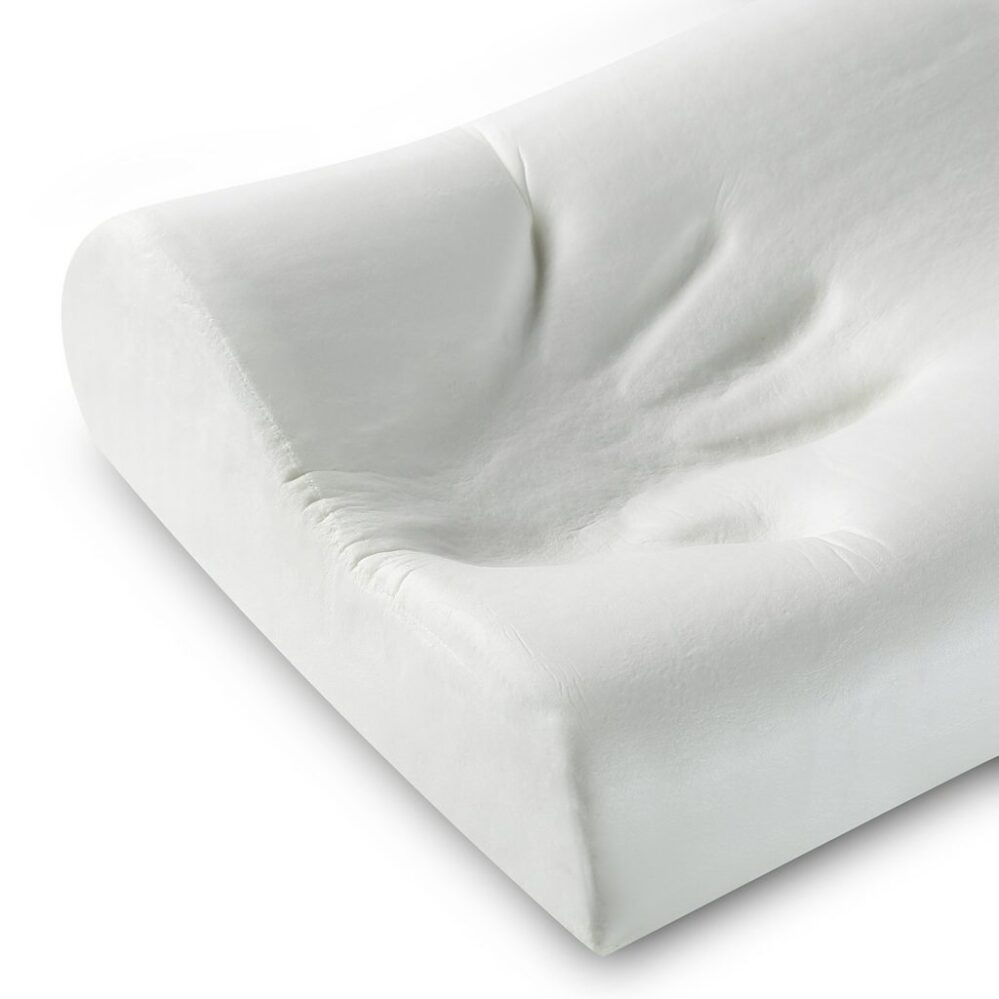
Tempur-Pedic mattresses are known for their unique Tempur material, a viscoelastic foam that conforms to the shape of the body for optimal pressure relief and support.
However, as with any product, there are drawbacks to consider before making a purchase. In this article, we will take a closer look at 7 potential drawbacks of Tempur-Pedic mattresses that buyers may overlook.
High Price Point:
Tempur-Pedic mattresses are considered luxury mattresses and are priced accordingly. They can be quite expensive compared to other mattress options on the market.
Limited Firmness Options: Tempur-Pedic mattresses are known for their plush feel, but they only offer a limited range of firmness options. This may not be suitable for those who prefer a firmer sleeping surface.
Heat Retention:
The Tempur material used in Tempur-Pedic mattresses is designed to conform to the body, but this can also result in heat retention. Some users have complained of feeling too warm while sleeping on a Tempur-Pedic mattress.
Heavy and Difficult to Move:
Tempur-Pedic mattresses are heavier than traditional mattresses and can be difficult to move and rotate. This can make it challenging to change the sheets and maintain the mattress.
Off-gassing:
like many foam mattresses, Tempur-Pedic mattresses may have an initial off-gassing period, where they emit a chemical smell. This can be a concern for those sensitive to smells or have chemical sensitivities.
Limited Warranty:
Tempur-Pedic mattresses come with a limited warranty. It’s important to review the warranty details and understand what is covered before making a purchase.
Limited Availability:
Tempur-Pedic mattresses are not widely available in brick-and-mortar stores, and they can only be purchased directly from the manufacturer or through a limited number of retailers.
Conclusion:
Tempur-Pedic mattresses are known for their unique Tempur material, which provides pressure relief and support.
However, there are drawbacks to consider before making a purchase, including the high price point, limited firmness options, heat retention, heavy and difficult to move, off-gassing, limited warranty, and limited availability.
By considering these drawbacks, consumers can make an informed decision when considering a Tempur-Pedic mattress.
Key Factors to Consider
When evaluating any mattress-related decision, understanding your personal sleep needs is the essential starting point. Your sleeping position determines which areas of your body need the most pressure relief and support — side sleepers need extra cushioning at the shoulders and hips, back sleepers require balanced support along the entire spine, and stomach sleepers benefit from a firmer surface that prevents the midsection from sinking too deep. Beyond position, factors like body weight, temperature preferences, and whether you share the bed with a partner all influence which products, materials, and configurations will deliver the best sleep experience for your situation.
Making an Informed Purchase Decision
The mattress industry has evolved dramatically in recent years, with direct-to-consumer brands, sleep trial periods, and online shopping fundamentally changing how people buy sleep products. Take advantage of these consumer-friendly developments by comparing options across multiple brands before committing. Look for brands that offer risk-free trial periods of at least 100 nights, as this gives you adequate time to evaluate comfort and support in your own sleeping environment. Read reviews from verified purchasers, paying special attention to feedback from people with similar sleep profiles (body type, position, preferences) to your own. And remember that the most expensive option is not always the best — many mid-range products deliver comparable quality to premium alternatives by saving on retail overhead and marketing costs rather than material quality.