Table of Contents
You’re 320 lbs and you’ve just bought the top-rated mattress from a major review site—the one with 50,000 five-star reviews and a “best for all sleepers” designation. Six months later, there’s a permanent body impression 2 inches deep, the edge collapses when you sit on the bed, and your lower back pain is worse than before you bought it. The problem isn’t the mattress—it’s that almost every mattress review is written by and for people under 200 lbs. The entire comfort and support equation changes fundamentally above 250 lbs, and changes dramatically above 300 lbs.
Why Standard Mattress Ratings Mislead Heavy Sleepers
Mattress firmness ratings assume a 150–180 lb tester. When a 150 lb side sleeper rates a mattress as “medium” (5/10 firmness), a 300 lb sleeper on the same mattress experiences it as “soft” (3/10) because greater body weight compresses foam and coils further. This mismatch means a mattress rated “firm” by standard reviewers may feel merely “medium” to a 300+ lb sleeper—and a “medium” mattress becomes a sinkhole that destroys spinal alignment. The practical implication: heavy sleepers should target mattresses rated 7–9 on the firmness scale by standard metrics, which will feel like 5–7 at higher body weights.
Beyond firmness perception, weight amplifies every mattress weakness. Edge support that feels solid at 160 lbs collapses at 300 lbs. Foam layers that maintain shape for 8 years under lighter loads develop permanent impressions within 2–3 years under heavier compression. Cooling systems designed for standard heat output get overwhelmed by the additional body heat that comes with larger body mass. Understanding these physics-driven differences is essential before evaluating any specific mattress recommendation.
Top 5 Mattresses for Heavy People Over 300 lbs
1. Saatva HD — Best Overall for 300+ lbs
Queen price: $1,595–$2,695 | Weight capacity: 500 lbs per side | Height: 15.5″ | Firmness: 7/10. The Saatva HD was engineered specifically for heavier bodies, using a 12.5-gauge recycled steel coil base (the strongest commonly available) topped with 5-zone Talalay latex and high-density memory foam. See our memory foam for back pain under $1000. The 15.5-inch height provides exceptional depth for weight distribution, and the reinforced perimeter steel allows full-surface use including edge sitting. At $1,595 for a queen, it costs more than budget options but the durability justification is strong—expect 10+ years before meaningful degradation. See our best budget mattresses under $500. The primary trade-off is limited firmness options—there’s only one setting, which suits back and combination sleepers better than dedicated side sleepers. For a premium experience comparable to Saatva’s standard luxury innerspring, the HD delivers without compromising support.
2. Helix Plus — Best Value for Heavy Sleepers
Queen price: $1,099–$1,499 | Weight capacity: 400 lbs per side | Height: 13″ | Firmness: 7.5/10. Helix designed the Plus specifically for the 250–400 lb range, combining reinforced pocketed coils with a high-density polyfoam comfort layer and enhanced perimeter support. The coil system uses thicker-gauge steel than Helix’s standard models, providing the resistance needed to prevent excessive sinking. At $1,099–$1,499, it’s the most affordable purpose-built heavy sleeper mattress with reliable construction quality. The comfort layer is thinner than luxury options, meaning pressure relief is adequate but not exceptional—side sleepers over 300 lbs may want to add a 2-inch firm latex topper for additional shoulder and hip cushioning.

3. WinkBed Plus — Best for Back Pain Over 300 lbs
Queen price: $1,149–$1,849 | Weight capacity: 500 lbs per side | Height: 13.5″ | Firmness: 7/10. The WinkBed Plus adds a lumbar support pad in the center third of the mattress—a feature specifically addressing the lower back pain that plagues heavier sleepers whose midsections sink deeper than their shoulders and legs. The triple-layer design (Euro-pillow top, pocketed coils, support foam base) creates a comfort profile that’s supportive enough for spinal alignment at 300+ lbs while still providing meaningful pressure relief. For heavy sleepers with chronic back pain, the targeted lumbar support provides $347 worth of value over the Helix Plus’s simpler construction.
4. Titan Plus by Brooklyn Bedding — Best Firm Option
Queen price: $899–$1,299 | Weight capacity: 500 lbs | Height: 12″ | Firmness: 8/10. For heavy sleepers who prefer a genuinely firm surface, the Titan Plus delivers maximum support at the most competitive price in this category. TitanCaliber coils provide exceptional resistance to compression, and a gel-infused foam comfort layer adds moderate cooling. See our gel memory foam for hot sleepers. This mattress prioritizes support over comfort cushioning—stomach and back sleepers at 300+ lbs often find it ideal, while side sleepers may need a topper. See our firm mattresses for stomach sleepers. At under $1,000 during frequent sales, it’s the most budget-friendly option specifically designed for heavier bodies.
5. Big Fig — Best Cooling for Heavy Sleepers
Queen price: $1,299–$1,799 | Weight capacity: 500 lbs per side | Height: 13″ | Firmness: 7.5/10. Big Fig addresses the cooling challenge that most heavy-duty mattresses ignore. Larger bodies generate more heat and make greater contact with the sleep surface, compounding thermal issues. Big Fig uses a gel-infused comfort layer, breathable ThermoGel cover, and a bi-directional airflow foundation system that promotes active cooling from beneath the mattress. If you’re a heavy sleeper who runs hot, the $200–$300 premium over the Helix Plus directly addresses your biggest comfort complaint.
What Makes a Mattress Work for 300+ lbs
Coil Gauge and Count
For heavy sleepers, the coil system determines mattress longevity more than any other component. Target mattresses with coils in the 13–15 gauge range (lower number = thicker wire = stronger support). Coil counts above 1,000 for a queen provide better weight distribution. Pocketed coils outperform Bonnell or continuous coils because each coil responds independently, preventing the hammock effect that misaligns heavier spines. Reinforced perimeter coils (using even heavier gauge wire around the mattress edges) prevent edge collapse—a critical feature since many heavy sleepers use the bed edge for sitting and standing transitions.
Foam Density: The Number That Predicts Durability
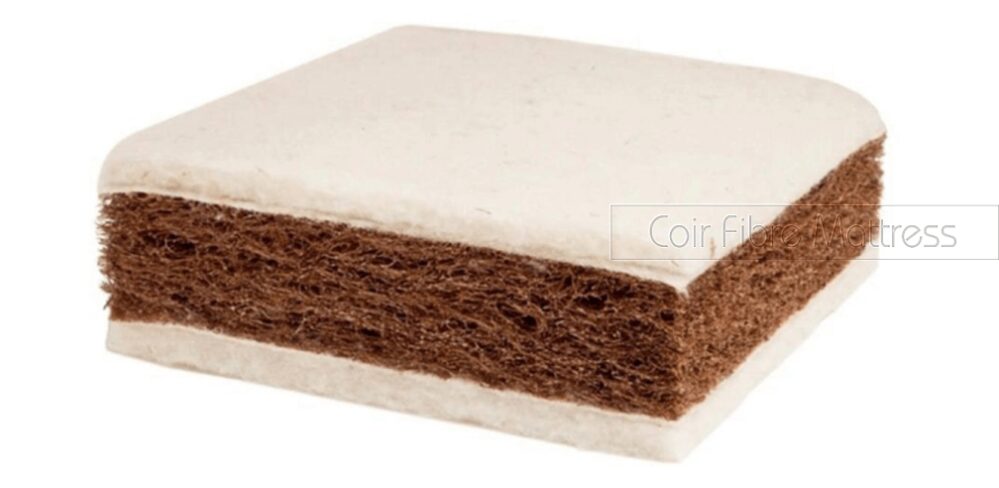
Foam density determines how quickly comfort layers develop body impressions under heavy loads. Standard mattresses use 2.5–3.5 lb/ft³ foam, which compresses permanently within 1–2 years under 300+ lb loads. Heavy sleepers need minimum 4 lb/ft³ comfort foam and 2+ lb/ft³ base foam to achieve reasonable longevity. High-resilience polyfoam at 5+ lb/ft³ provides the most durable cushioning for heavier bodies. Natural latex at any density outperforms polyurethane foam for durability under heavy compression—its molecular structure resists permanent deformation better than any synthetic alternative.
Mattress Height and Layer Thickness
Heavier bodies compress deeper into each layer, making total mattress height more important than for lighter sleepers. A 10-inch mattress that works perfectly for a 160 lb person may bottom out under 300 lbs, meaning the sleeper’s body compresses through the comfort layers entirely and presses against the support core. Target minimum 12-inch total height with at least 3–4 inches of comfort foam above the coil or support layer. The layer construction details matter more for heavy sleepers than for any other body type.
What Most People Get Wrong About Firmness for Heavy Sleepers
The counterintuitive truth: many heavy side sleepers mistakenly choose extra-firm mattresses, thinking maximum support equals maximum benefit. But an overly firm mattress under a 300+ lb side sleeper creates intense pressure points at the hip and shoulder—the two widest body areas bearing the most concentrated load. The result is numbness, circulation restriction, and pain that forces constant repositioning. The correct approach is a medium-firm (7/10) mattress with a high-density comfort layer: the firm support core prevents excessive sinking while the comfort layer cushions pressure points. This combination provides the right firmness balance that pure firmness numbers can’t capture.
Mattress Types to Avoid Over 300 lbs
All-foam mattresses under $1,000 rank as the worst choice for heavy sleepers. Without a coil support system, foam-only mattresses rely entirely on foam density for support—and budget all-foam options use foam that’s too low-density to resist heavy body weight. The result is rapid deterioration, poor spinal alignment, and excessive heat retention as the body sinks deeper into thermal-trapping foam. Memory foam mattresses specifically amplify heat issues for heavier bodies because greater compression means greater body-to-foam contact area.
Pillow-top mattresses with thick, soft tops are also problematic above 300 lbs. The soft pillow top compresses completely under heavy loads, negating its comfort benefit while adding material that eventually bunches, shifts, or develops permanent compression areas faster than the rest of the mattress. Euro-top designs (where the comfort layer is sewn flush with the mattress edge) perform better because they can’t shift or bunch.
The Hidden Cost of Wrong Mattress Choices
Heavy sleepers who buy standard mattresses face a costly replacement cycle. A $600 mattress that lasts 7 years for a 170 lb person may last only 3–4 years under 300+ lbs before developing support-compromising body impressions. Over 10 years, this creates a $1,500–$1,800 total mattress cost ($600 × 3 replacements)—more than the one-time $1,200–$1,600 investment in a purpose-built heavy-duty mattress that actually lasts the full 10 years. The math consistently favors buying right the first time. Factor in lost sleep quality and potential back problems from years of inadequate support, and the argument for appropriate investment becomes even stronger.
Bed Frame Requirements for 300+ lbs
Your mattress is only as supportive as the foundation beneath it. Standard bed frames rated for “standard use” typically support 250–300 lbs of sleeper weight plus mattress weight. A 300+ lb person needs a frame rated for 600+ lbs total capacity (combined weight of two sleepers plus a 100+ lb mattress). Platform bed frames with solid slat systems (slats no more than 3 inches apart) provide the most uniform support. Adjustable bed frames for heavy sleepers should be rated for 750+ lbs—standard adjustable frames may have motor and actuator limitations that prevent proper function under heavy loads. Center support legs are essential for queen and king sizes, and metal frames should use at minimum 14-gauge steel construction.
Couples Over 300 lbs: Special Considerations
When both partners are over 250 lbs (combined 500+ lbs), mattress selection becomes even more critical. A split king configuration using two twin XL mattresses allows each partner to choose their optimal firmness independently—critical when body weight differences affect perceived firmness. See our Twin XL mattresses for dorms. This setup also eliminates motion transfer completely, prevents the “rolling toward center” problem that occurs when heavy combined weight compresses the middle of a shared mattress, and allows individual replacement when one side wears faster. The combined cost of two purpose-built twin XL mattresses typically runs $100–$300 more than a single king but provides dramatically better personalized support.
Verdict: The Best Mattress Strategy for 300+ lbs
The Saatva HD at $1,595 represents the best overall investment for heavy sleepers—its 500 lb per-side capacity, 15.5-inch height, and premium latex-over-coil construction provide the support longevity that lighter-weight mattresses simply cannot deliver at this weight range. For budget-conscious heavy sleepers, the Titan Plus at $899 provides the essential support framework, though you may want to supplement with a quality topper. For hot sleepers over 300 lbs, the Big Fig at $1,299 uniquely addresses the thermal challenge. Whatever you choose, invest in the mattress rather than planning to replace cheap ones—the math, comfort, and health outcomes all favor spending more upfront on a mattress engineered for your body.
Frequently Asked Questions
Will a mattress warranty cover sagging caused by heavy body weight?
Most warranties cover body impressions exceeding 1–1.5 inches regardless of sleeper weight, provided you use an appropriate foundation. However, standard-use mattresses often include weight limit clauses (typically 250–300 lbs per sleeper) that void warranty coverage if exceeded. Purpose-built heavy-duty mattresses like the Saatva HD and Big Fig explicitly design for and warranty at higher weights—the Saatva HD warrants up to 500 lbs per side. Always verify the specific weight rating before purchasing, and retain proof of appropriate foundation use to support any warranty claim.
How often should a 300+ lb person rotate their mattress?
Every 1–2 months, compared to every 3–6 months recommended for lighter sleepers. Heavier bodies create more localized compression, making even wear distribution more critical. Rotate 180 degrees (head to foot) rather than flipping, since most modern mattresses have a designated sleep surface. If your mattress has a reinforced center zone for lumbar support, rotation maintains this alignment. Setting a recurring calendar reminder ensures consistency—most premature mattress failures for heavy sleepers result from uneven compression rather than material defects.
Is a latex mattress better than a hybrid for 300+ lbs?
Natural latex provides superior compression resistance and longevity compared to polyurethane foam, but a pure latex mattress may lack the deep support that heavy bodies need. The ideal combination is a hybrid with a latex comfort layer over a reinforced coil system—you get latex’s durability and natural resilience on top with the structural support of heavy-gauge pocketed coils below. A pure latex mattress (like the Saatva Zenhaven) works well up to about 275 lbs, but above 300 lbs, the coil support in hybrid designs provides meaningfully better spinal alignment and edge support.
Do mattress-in-a-box options work for heavy sleepers?
Some do, but with important caveats. Compressed shipping limits the coil gauge and mattress height that can be packaged in a box, which directly limits the support level achievable. The Helix Plus and Titan Plus ship compressed successfully because their designs accommodate the packaging constraints, but many bed-in-a-box mattresses use lighter-gauge coils or all-foam construction that won’t support 300+ lbs adequately. White-glove delivery mattresses (like the Saatva HD) aren’t subject to compression limitations, which is one reason they can use heavier coil gauges and taller profiles. If ordering a bed-in-a-box, verify the specific weight rating rather than assuming all shipped mattresses are equivalent.
Can a mattress topper extend the life of a sagging mattress for heavy sleepers?
Only temporarily. A firm latex topper (2–3 inches) can bridge minor sags and restore some support for 6–12 months, but the underlying structural failure continues progressing. For sags exceeding 1.5 inches, no topper can compensate adequately—the topper simply conforms to the sag rather than correcting it. Think of a topper as a bridge loan, not a mortgage: it buys time to research and budget for a proper replacement but doesn’t eliminate the need for one. Investing the $150–$300 topper cost toward a new purpose-built mattress is almost always the smarter financial decision.
What sleeping position is best for heavy people with back pain?
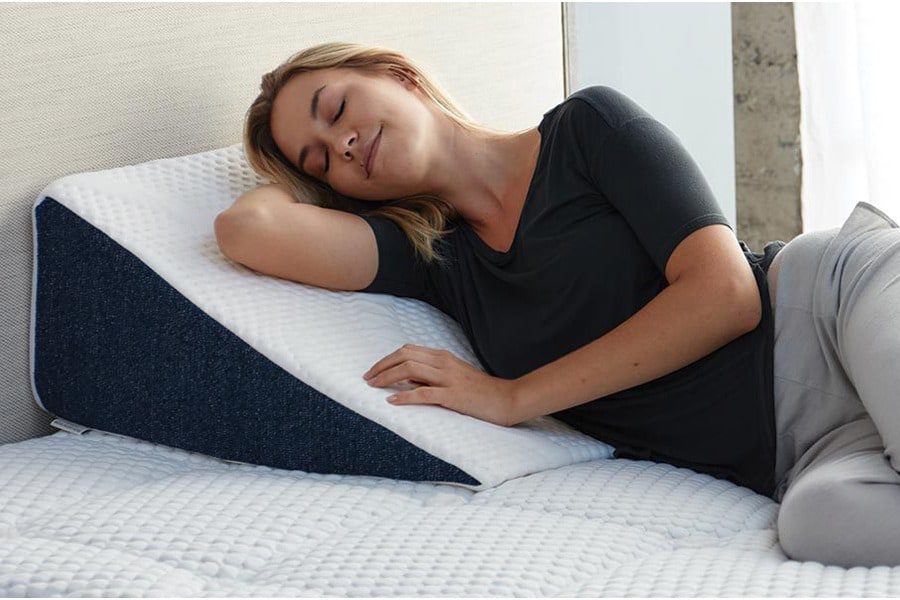
Back sleeping on a medium-firm mattress (7/10) with a pillow under the knees provides the most even weight distribution and spinal alignment for heavy sleepers with back pain. Side sleeping is viable but requires a mattress with adequate hip and shoulder pressure relief—the WinkBed Plus’s lumbar support pad specifically addresses the midsection sag that causes side-sleeping back pain at higher weights. Stomach sleeping is particularly problematic for heavy individuals because abdominal weight creates excessive lumbar extension. Proper sleep posture correction combined with the right mattress firmness can reduce back pain by 50–70% within the first month of adjustment.
Related: mattresses for couples who sleep hot
Related: best mattresses for sciatica
Related: best mattresses for athletes