Feather Bed
Featherbeds are the ultimate in bedroom luxury. They provide soft, luxurious comfort for the sleeper. If you own a featherbed, you want to protect this comfort so it will last for a long time.
Most featherbeds are bought in stores seasonally, and they are about three inches in height.
They are typically imported from China due to the high labor costs to make them elsewhere.
They are also expensive to ship, so most folks buy in stores, although you can find great deals with free shipping online.
They are not machine washable, so it is important to offer the right amount of preventative maintenance to keep your investment in good order. Most sold in stores sell between $50 and $100.
When sold online, they can be more expensive because of features not available in store models (such as being hypoallergenic, made in the USA, better filling, etc.).
They are never sold with stain or water-resistant protection, so it is important to use a protective cover that will protect your investment.
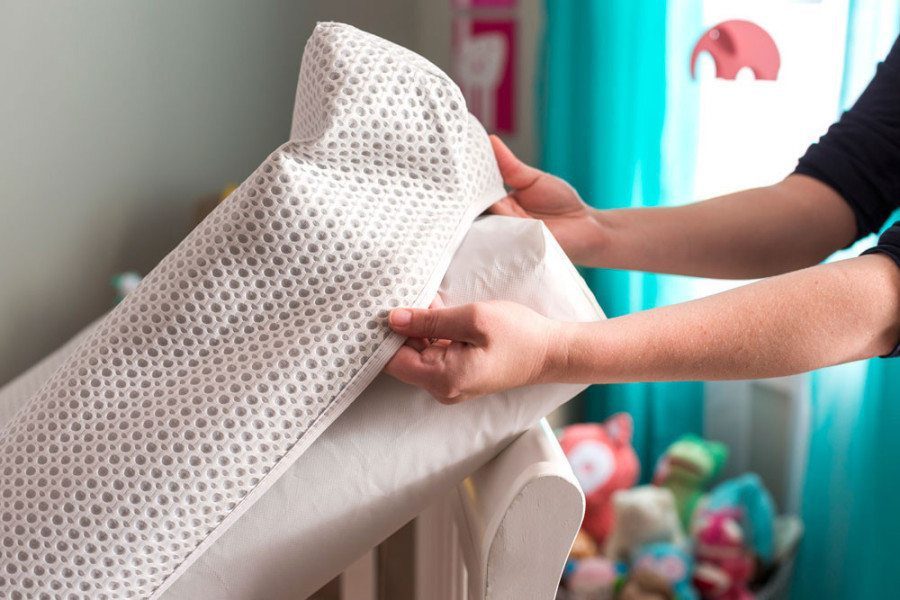
Featherbed protectors are usually made of twill-weave cotton and feature zipper closures. They offer another layer of thick fabric to keep perspiration and dirt from getting on the featherbed. Featherbed protectors are not water resistant.
They frequently sell in the $25 to $50 range. Be sure that the protector you buy is large enough to fit your featherbed as some styles like down-top featherbeds can be really thick.
We recommend considering featherbed covers with a gusset.
Even with a featherbed protector, we recommend you use a waterproof liner or mattress pad on top to prevent accidents from kids or pets to a minimum.
Make sure to buy one with a soft liner vs. a crunchy plastic liner which can be annoying. Having a mattress pad with a skirt will also have the benefit of keeping it in place, thus limiting it from sliding.
If your featherbed gets wet or soiled from a child, pet, or other accident, and it did not have a waterproof liner, you will likely need to replace it.
Featherbeds are too large for washing machines and dryers. Furthermore, dry cleaning should be avoided due to the size and inability of the process to remove moisture.
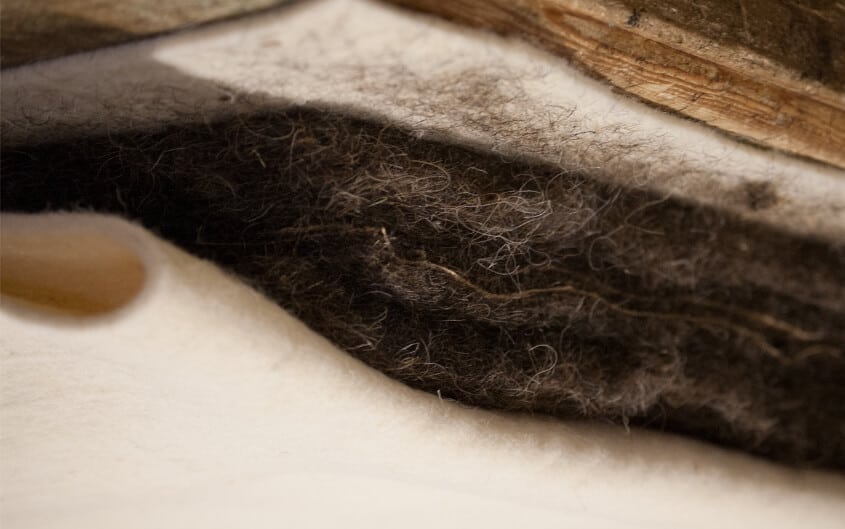
The area of greatest concern is feathers and quills. These hollow tubes store water and make it very hard to remove.
This presence of moisture along with your body’s warmth can create bacteria and mold, so to best protect your featherbed investment, cover it with a protector and mattress pad.
Related: best mattresses of 2026
Related: best mattress brands of 2026
Related: mattress sizes guide
Related: hypoallergenic options
Related: mattress lifespan guide
Making Smart Sleep Product Decisions
With hundreds of sleep products available across every category and price point, making informed purchasing decisions requires focusing on the factors that most directly impact your sleep quality. Start by identifying your primary sleep concern — whether that is comfort, support, temperature regulation, allergy management, or pain relief — and prioritize products that specifically address that concern with proven approaches rather than marketing gimmicks. Read reviews from multiple independent sources, as aggregated feedback provides more reliable guidance than any individual review. Consider the total value proposition, which includes not just the purchase price but the expected lifespan, warranty coverage, trial period, and return policy. A product that costs more upfront but lasts twice as long and comes with a generous warranty may represent better long-term value than a budget alternative that needs frequent replacement.
The Importance of a Complete Sleep System
Individual sleep products rarely solve sleep problems in isolation — the most effective approach is building a complete sleep system where every component works together. Your mattress provides the foundation of support and pressure relief, but its effectiveness depends on proper support from an appropriate foundation or bed frame. Your pillow maintains proper cervical alignment and should be selected based on your sleeping position and the firmness of your mattress. Temperature-regulating bedding (sheets, mattress protector, blankets) works with your mattress’s thermal properties to maintain a comfortable sleeping temperature. Even your sleep environment — room temperature, lighting, and noise levels — interacts with your sleep products to determine overall sleep quality. When upgrading any component of your sleep system, consider how it integrates with your existing products and whether complementary upgrades might amplify the benefits of your investment.