Table of Contents
Quick Answer: Lumpy pillow-top mattresses develop from uneven fiber compression over time. The DIY fix: flatten the mattress surface with your body weight or a rolling pin, manually massage fiber fill back into empty pockets through the quilt stitches, rotate the mattress head-to-foot, and use a mattress pad to even out minor remaining imperfections. If lumps are larger than 2″ or return within a week, the quilted filling has permanently compressed and replacement is the real answer.
⚡ TL;DR — Key Takeaways
- Break-in period softens most mattresses 15-20% over first 30-60 days
- Memory foam drifts softer over 3-5 years gradually
- Latex and coils hold firmness longest with minimal drift
- Firmness loss beyond 2 rating points indicates premature wear
- Rotation schedule slows firmness loss significantly
Why Pillow-Tops Get Lumpy
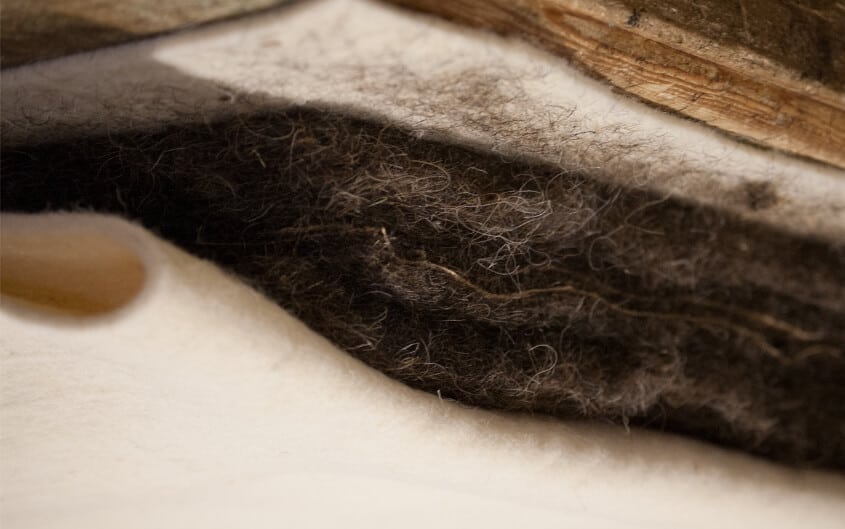
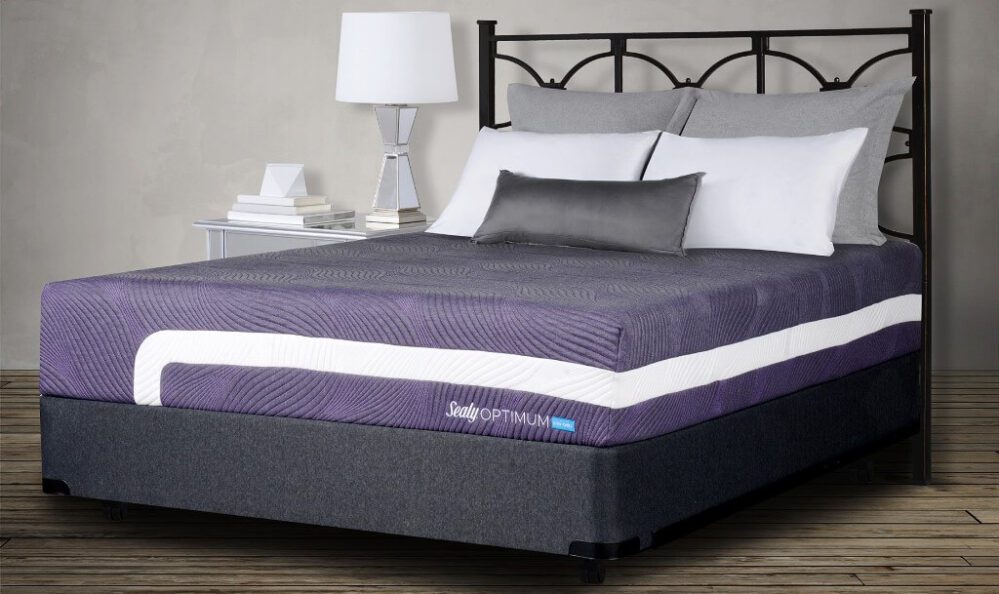
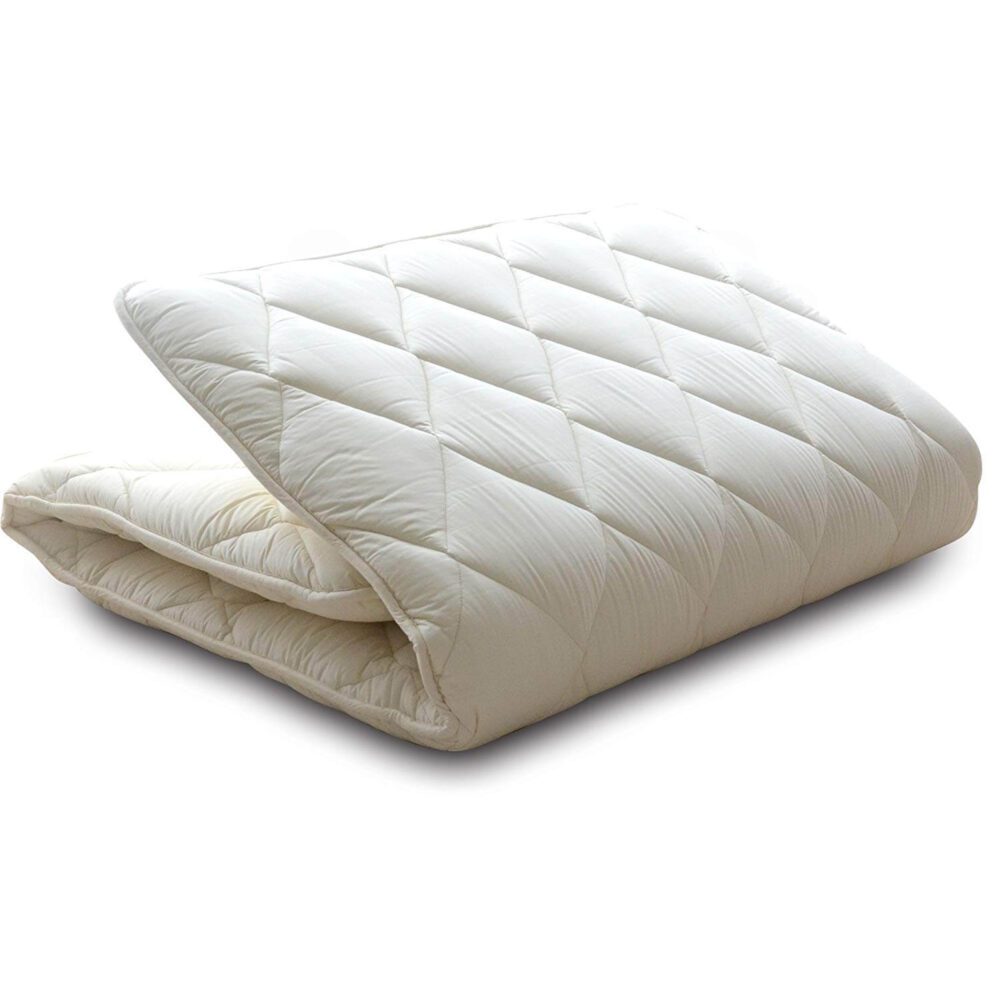
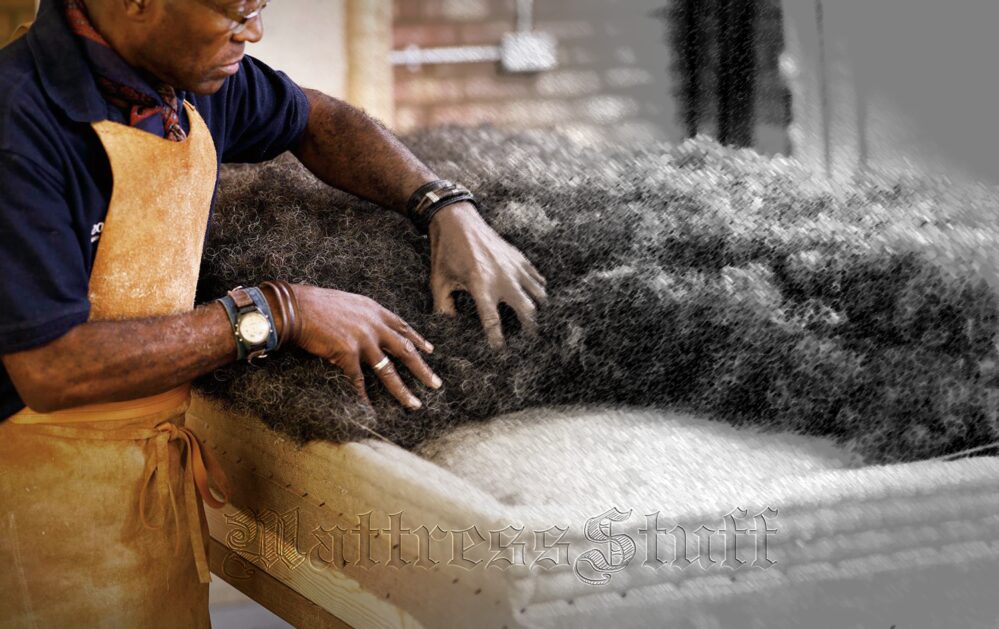
A pillow-top mattress has an extra quilted layer sewn on top of the main mattress body. Inside that quilt is fiber fill — typically a blend of polyester, wool, or cotton batting. Over time, body pressure compresses the fiber in high-use areas while leaving less-used areas puffy. The result: lumps, dips, and uneven surface contours.

Why This Matters Today: Pillow-top compression is separate from core mattress sag. A flat core mattress with a lumpy pillow-top surface can still have 5+ years of useful life if the top is fixed. Knowing how to redistribute fill is a meaningful money-saver — you can often buy back several years of comfortable sleep for an hour of DIY work.
Identifying What You Actually Have
Pillow-tops come in three varieties, and the fix strategy depends on which you own:
Sewn-On Pillow-Top (Traditional)
The pillow-top is stitched directly to the mattress body as a permanent part of the construction. The top and bottom are one continuous quilted unit. This is the most common type and the focus of this guide.
Euro-Top (Flush Edge Pillow-Top)
Similar construction but the pillow-top extends flush to the edges of the mattress (no overhang). The fiber fill is denser and less prone to lumping. DIY redistribution still works but requires more force.
Removable/Zippered Pillow-Top
Rare but sometimes available on luxury brands. The pillow-top unzips entirely for cleaning or replacement. If you have this, replacement of the pillow-top alone is possible (check with manufacturer).
Before You Start: Check for Warranty Coverage
Most warranties cover lumpy fiber redistribution only if the issue exceeds 1.5″ in depth (similar to sag thresholds). For minor lumps, DIY fixes are faster than warranty claims. For severe lumps, photograph before attempting repair, measure depth with a straightedge, and document for a warranty claim first.
Key Insight: Some warranties exclude “normal fiber redistribution” as a covered issue, treating it as user responsibility. Check your specific warranty card — the definition of “defect” versus “normal wear” is often explicit for pillow-top fiber issues.
The DIY Fill Redistribution Method
Step 1: Remove All Bedding
Strip the mattress completely — sheets, mattress protector, everything. You need direct access to the pillow-top surface.
Step 2: Identify the Lumps and Dips
Walk around the mattress and press down on every area. Mark lumps with a piece of painter’s tape on one corner and dips with a second color. Get a clear map of where fiber needs to move.
Step 3: Manually Redistribute Fiber
Work in a small section at a time. Press your palms flat against a lump and slowly push the fiber toward a dip, maintaining contact through the fabric. The fiber fill should slide gradually inside the quilt. This is patient work — expect 20–45 minutes for a full queen.
Step 4: Use a Rolling Pin or Flat Paddle
For stubborn lumps, roll a wooden rolling pin or a flat wooden paddle back and forth over the lump with moderate pressure. The rolling action breaks up compressed fiber clusters and flattens high spots.
Step 5: Sit or Lie on the Dips
Focus your body weight on dips rather than lumps for a night or two. This compresses any remaining high-fill areas around the dip, helping the overall surface level out.
Step 6: Rotate the Mattress
After redistribution, rotate head-to-foot. This exposes the previously-high-fill areas (foot end) to the pressure zones (where the body sleeps). Over the next 2–4 weeks, natural compression will further even the surface.
Fill Redistribution by Mattress Type
| Pillow-Top Material | Redistributable? | Best Approach |
|---|---|---|
| Polyester fiber fill | Yes, easily | Palm-press + rolling pin |
| Wool batting | Somewhat | Aggressive palm-press; wool resists redistribution |
| Cotton batting | Difficult | Cotton compresses permanently; limited fix |
| Memory foam top | No | Foam does not redistribute — different fix needed |
| Latex top | No | Latex is solid, not fiber |
When DIY Fixes Do Not Work
If lumps return within a week of redistribution, the fiber fill has lost its structural recovery capacity. This is permanent compression and no amount of manual redistribution will give a lasting fix. In this case, the options are: accept the mattress as-is, add a mattress topper to mask the unevenness, or plan for replacement.
Topper as a Mask
A 2″–3″ memory foam or latex topper can effectively hide pillow-top unevenness by adding a new, flat sleeping surface on top. This is a $150–$300 fix that buys 1–3 years of comfortable sleep. The underlying issue remains but becomes imperceptible.
Red Flag: Do not try to open the pillow-top quilt to add new fiber. Cutting the quilt voids warranties, introduces dust and debris into the mattress, and never results in a clean, even repair. Even professional upholstery work on pillow-tops rarely produces an aesthetically good result.
Preventing Future Lumps
Rotate Every 3 Months
Rotating head-to-foot distributes fiber compression across the mattress instead of concentrating it in one zone. This is the single biggest preventive habit.
Use a Mattress Pad
A 1″–2″ mattress pad spreads body pressure across a larger surface area, slowing fiber compression. Wool or cotton mattress pads are most effective for pillow-top protection.
Avoid Concentrated Sitting
Never sit or stand on a pillow-top mattress. Concentrated loads (elbows, knees, children bouncing) collapse fiber in small areas and create permanent lumps.
Keep the Mattress Dry
Humidity and perspiration cause fiber clumping over time. A zippered waterproof mattress encasement with a breathable-membrane protector prevents moisture from reaching the pillow-top fill.
Green Flag: High-density polyester fiber fill (with higher weight per cubic inch) resists lumping better than low-density fill. Brands that specify their pillow-top filling material and density in product specs — Stearns & Foster, Saatva, Avocado, Stearns & Foster Reserve — are signaling better long-term structural integrity of the quilted top.
Pillow-Top Lifespan
Pillow-tops typically last 7–10 years before significant fiber compression. Luxury pillow-tops with wool batting may reach 12–15 years. Low-density polyester pillow-tops in budget mattresses may show meaningful lumping within 3–5 years. The mattress core usually outlasts the pillow-top by several years — meaning a “failed pillow-top” often accompanies a still-functional mattress underneath.
Replacement Decision
Replace the mattress when: lumps are deeper than 2″ and return despite redistribution; the mattress is also over 8 years old; core sag is appearing in addition to pillow-top lumps; or replacing the pillow-top is not offered by the manufacturer. Most mattresses do not have removable pillow-tops, so replacing the whole mattress is usually the only path.
Frequently Asked Questions
Q: Can I open the pillow-top to add more fiber?
No. Cutting the quilt voids warranties and produces an aesthetically poor repair. DIY fiber addition is not a practical fix.
Q: Will flipping a pillow-top mattress help?
Only if it is specifically designed as flippable (most are not). Flipping a single-sided pillow-top puts the support base up and damages the construction. Rotate head-to-foot instead.
Q: Does vacuuming a pillow-top help with lumps?
Not directly. Vacuuming removes dust and allergens from the surface but does not redistribute internal fiber fill. Pair with manual redistribution for best results.
Q: How long does DIY redistribution last?
Typically 6–18 months if done correctly. Fiber re-compresses with continued use. For longer-lasting results, combine redistribution with rotation every 3 months and a mattress pad.
Q: Is a lumpy pillow-top a warranty issue?
Usually only if the lump exceeds 1.5″ in depth. Minor redistribution is considered normal wear by most warranties and not covered.
When to Stop Trying
After two attempts at DIY redistribution without lasting success, stop. Continued manipulation will not reverse permanent fiber compression. Move to the “mask with topper” strategy for $200–$300 or start planning mattress replacement. Do not waste weeks repeatedly flattening lumps that will not stay flat.
The Verdict
Lumpy pillow-tops are fixable with 30–60 minutes of DIY work — palm-press redistribution, rolling-pin flattening, and head-to-foot rotation. The fix typically holds 6–18 months before fiber re-compresses. Prevent future lumps with rotation every 3 months, a mattress pad, and moisture control. If lumps return within a week of redistribution, the fiber is permanently compressed and a topper or replacement is the real path forward.