Introduction:
- Sleep is crucial for overall health and well-being, and the right mattress can make a big difference in the quality of sleep we get.
- One important aspect of choosing a mattress is understanding the density of the foam used.
- In this article, we’ll take a closer look at foam density, the different types of foams available, and how density affects different weight groups.
Section 1: Understanding Foam Density
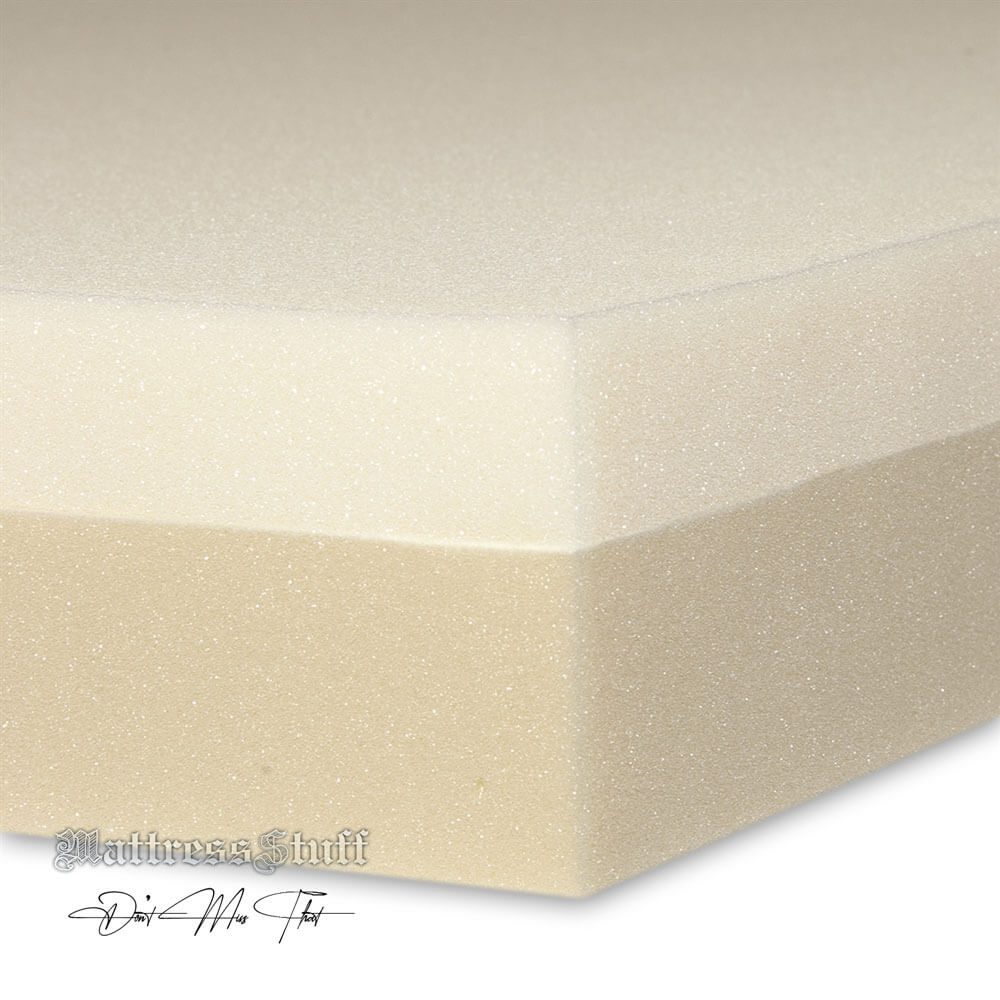
- Foam density is a measure of how much weight a certain volume of foam can support. It’s typically measured in pounds per cubic foot (PCF) or kilograms per cubic meter (KG/M3).
- The higher the density, the more firm and supportive the foam will be. Lower density foams are typically softer and less supportive.
- It’s important to note that density doesn’t necessarily indicate the quality of the foam. A higher density foam can be made with lower quality materials, while a lower density foam can be made with higher quality materials.
Section 2: Density for Different Types of Foams
- The most common types of foams used in mattresses are polyurethane foam, memory foam, and latex foam. See our memory foam vs latex topper.
- Polyurethane foam is a popular choice for mattresses due to its affordability and durability. It has a density range of 1.5-1.8 PCF.
- Memory foam is known for its ability to conform to the shape of the body and provide pressure relief. Its density range is usually 3-5 PCF.
- Latex foam is a natural, eco-friendly option that is often more expensive than other types of foam. Its density range is 4-9 PCF.
Section 3: Density for Different Weight Groups
- The density of a foam can affect how well it supports different weight groups. Generally, heavier people need a higher density foam for proper support, while lighter people can get away with a lower density foam.
- For people who weigh less than 150 lbs, a foam density of 1.5-2.5 PCF is usually sufficient.
- For people who weigh between 150-230 lbs, a foam density of 2.5-3.5 PCF is typically recommended.
- For people who weigh over 230 lbs, a foam density of 3.5 PCF or higher is typically necessary for proper support.
Conclusion:
Related: best mattresses of 2026
Related: top mattress brands compared
Related: innerspring vs hybrid vs memory foam
Related: organic vs regular mattress
Related: best hybrid mattress
Related: mattress in a box vs traditional
Related: best mattress toppers
- Understanding foam density and how it relates to different types of foams and weight groups is an important factor in choosing the right mattress.
- By considering density and other factors, you can find a mattress that will help you get the best possible sleep. Remember to prioritize quality over density for better and more comfortable sleep.
The Science Behind Memory Foam Technology
Memory foam’s unique pressure-relieving properties stem from its viscoelastic nature — a material science term describing substances that exhibit both viscous (liquid-like) and elastic (solid-like) characteristics. When body heat and pressure are applied, memory foam softens and slowly conforms to the shape of your body, distributing weight across a larger surface area and reducing pressure points that cause tossing and turning. This conforming behavior is measured by a specification called ILD (Indentation Load Deflection), which indicates how much force is needed to compress the foam by 25% of its thickness. Lower ILD numbers indicate softer, more conforming foam, while higher numbers indicate firmer foam that resists compression more strongly. Understanding ILD ratings helps you compare foam comfort levels between different mattresses, even when brands use different subjective terms like “plush” or “medium” to describe their firmness.
Density Matters: Choosing Quality Memory Foam
Memory foam density, measured in pounds per cubic foot, is one of the most reliable indicators of quality and durability. Budget memory foams typically range from 2.5 to 3.5 lb/ft³ and may feel comfortable initially but tend to develop permanent body impressions within 2-4 years as the low-density material breaks down. Mid-range foams (4-5 lb/ft³) offer a significant upgrade in durability and consistent performance, maintaining their supportive and conforming properties for 7-10 years under normal use. High-density foams (5-7 lb/ft³), found in premium mattresses, provide the most durable and responsive experience but can also retain more heat due to their denser cell structure. When comparing mattresses, look for the density specification in the product details or comfort layer descriptions — if a brand does not disclose foam density, it may indicate the use of lower-quality materials.