Table of Contents
Modern foam and hybrid mattresses need solid or slatted support with gaps no wider than 3 inches — traditional box springs with open grids sag memory foam into the gaps and void warranties. Innerspring mattresses still work best on matching box springs. Adjustable bases fit most foam and hybrid mattresses under 14 inches thick. Queen and king foundations require center support (a fifth or seventh leg) to prevent middle sag. Get the foundation right and a $1,500 mattress lasts 10 years; get it wrong and the same mattress fails in 3.
⚡ TL;DR — Key Takeaways
- Mattress thickness under 8 inches suits bunk beds and daybeds only
- 10-12 inch mattresses suit most adults and platform beds
- 12-14 inch is the luxury standard for queens and kings
- Thickness over 14 inches may require deep-pocket sheets
- Heavy sleepers benefit from 12+ inches for proper support
Why the Foundation Matters More Than You Think
The foundation carries 100% of sleeper weight, distributes it across the mattress base, and determines how evenly the comfort layers compress over time. A bad foundation creates hot spots of concentrated wear — the mattress sags precisely where support is weakest. That’s why half of “defective” mattresses filed under warranty turn out to be perfectly fine mattresses paired with failed or wrong foundations. Understanding foundations protects your investment and your sleep.
Foundation design has shifted dramatically as mattress construction evolved. Traditional innerspring-on-boxspring was the norm for 70 years. But today’s memory foam, hybrid, and latex mattresses need fundamentally different support, and a majority of households still use older wire-grid box springs that were never designed for foam. Adjustable bases have also gone mainstream — roughly 1 in 3 new mattresses sold in the US now ships with an adjustable base. Matching foundation to mattress type is the highest-ROI decision in the sleep system.
The Six Foundation Types
1. Traditional Box Spring
Wooden frame with steel springs and a fabric cover. Designed to flex under innerspring mattresses, sharing load with the mattress coils. Typical height: 9 inches. Cost: $150–$300. Compatibility: innerspring mattresses only; causes sag in memory foam and hybrids.

2. Foundation (Rigid Base)
A wooden frame with a solid or closely-slatted top, similar in height to a box spring (8–9 inches) but without springs. Designed for foam, hybrid, and latex mattresses. Cost: $100–$250. Often sold by brands as “mattress foundations” for their specific products.
3. Platform Bed
An all-in-one bed frame with a built-in slatted or solid surface. Eliminates the need for a separate foundation. Typical mattress height sits 12–18 inches off the floor. Cost: $200–$1,500. Compatibility: check slat spacing; ≤3″ required for foam and hybrids.
4. Adjustable Base
Electric base that raises head and/or foot sections. Massage, zero-gravity presets, USB ports, and under-bed lighting are common features. Cost: $500–$3,000. Compatibility: compatible foam, hybrid, and latex mattresses under 14″ thick. Not compatible with traditional innerspring units.
5. Bunkie Board
A 1–3 inch thick plywood or particleboard slab placed on top of an existing frame or box spring to create a solid surface. Inexpensive retrofit for old box spring frames used with new foam mattresses. Cost: $50–$120.
6. Metal Frame / Bed Rails
Simple steel frame that holds a box spring or foundation off the floor. Not a support system by itself — must be paired with a box spring or foundation. Cost: $40–$150. Common beneath older bedroom sets.
Compatibility Matrix by Mattress Type
| Mattress Type | Box Spring | Foundation | Platform (≤3″) | Adjustable |
|---|---|---|---|---|
| Memory Foam | ❌ Voids warranty | ✅ Ideal | ✅ Ideal | ✅ Yes |
| Hybrid | ❌ Voids warranty | ✅ Ideal | ✅ Ideal | ✅ If <14″ |
| Innerspring | ✅ Ideal | ⚠️ Works | ⚠️ Firmer feel | ❌ No |
| Latex | ⚠️ May sag | ✅ Ideal | ✅ Ideal | ✅ Yes |
| Pillow-Top | ✅ If matching | ✅ Works | ✅ Works | ⚠️ Check spec |
The 3-Inch Slat Rule Explained
Memory foam and hybrid mattresses sag through slat gaps wider than 3 inches. The foam, under sleeper weight, pushes into each gap and creates a corrugated surface over time. This is the #1 cause of premature foam mattress failure. Measure slat gaps with a ruler before installing any foam mattress — if gaps exceed 3 inches, add a bunkie board or replace slats. Many budget platform beds sold on Amazon have slat gaps of 4–5 inches — a common trap.
Center Support Requirements
Queen and larger mattresses weigh 70 to 200 pounds before sleepers. Without a center support leg, the frame bows under that weight and creates middle sag. Manufacturer requirements: queen beds need at least one center support leg (5 legs total); king and California king need two center legs (7 legs total). Many cheap bed frames ship without these — check before assembly and buy missing legs ($20–$40) if needed. A frame without center support voids most warranties.
The total height math matters for getting in and out of bed. Traditional: 9″ box spring + 11″ mattress + 4″ frame = 24″ top height. Platform bed: 15″ platform + 11″ mattress = 26″ top height. Low-profile: 4″ foundation + 11″ mattress + 2″ frame = 17″ top height. For elderly sleepers, 18–22 inches is easiest to get in and out of. Younger sleepers often prefer 24–28 inches.
Weight Capacity by Foundation Type
Every foundation has a rated weight capacity — the total of mattress plus sleepers plus bedding. Box springs: 500–800 lbs typical, up to 1,200 for heavy-duty. Foundations: 600–1,000 lbs. Platform beds: varies wildly from 300 lbs (budget) to 2,000+ lbs (premium). Adjustable bases: 600–850 lbs per side for split configs, 700–1,000 lbs for full kings. Adding total sleeper weight and mattress weight before buying prevents early failure — a couple averaging 350 lbs combined on a 300-lb-rated frame will see warping within a year.
Adjustable Bases: The Mainstream Upgrade
Adjustable bases used to be medical equipment for specific conditions. Today they’re a general wellness upgrade: raising the head reduces snoring and acid reflux; raising the feet improves circulation and reduces swelling. Zero-gravity preset (both head and feet slightly raised) is the most popular default. Check compatibility before buying — thin, soft mattresses bend well; thick (14″+) or innerspring mattresses may not bend at all. Most major brands sell a compatible base as an add-on ($500–$1,500) with their mattresses.
The Foundation Lifecycle
Box springs typically last 10 years before the internal springs soften. Wooden foundations last 15–20 years if kept dry. Platform beds made from hardwood last 20+ years, while particleboard platforms fail in 3–7. Adjustable bases mechanically last 10–15 years, though electronic components (motors, remotes, control boards) may need replacement sooner. When you replace a mattress, inspect the foundation too — a new mattress on a 15-year-old box spring often performs like an old mattress.
- Visible sag in the center when the bed is empty
- Squeaks or creaks when sitting or shifting
- Broken or cracked slats
- Bent or bowed metal rails
- Musty smell from the fabric or wood
- Box spring coils that have poked through the cover
Buying Order: Mattress First or Foundation First?
Always buy the mattress first, then match the foundation to it. Read the mattress warranty’s foundation requirements before paying. Most manufacturers sell a matching foundation designed and warranty-approved for their specific mattress — these cost $150–$400 more than generic options but guarantee compatibility. Buying the mattress-brand foundation also simplifies warranty claims years later.
Building a Bed System on a Budget
The cheapest legal setup for a foam or hybrid mattress: metal bed frame ($60) + bunkie board ($80) + new mattress. Total foundation cost: $140, compatible with warranty. Next tier: basic platform bed with <3″ slats ($200) with no additional board needed. Premium: adjustable base ($700–$1,500) for head-up reading, foot-up circulation, and massage. Each tier buys significant functionality; skipping the foundation entirely to save money voids warranty and destroys the mattress.
- Matches mattress type’s warranty requirement
- Slat spacing ≤3 inches for foam/hybrid
- Center support leg for queen+ sizes
- Weight capacity exceeds total load by 25%+
- Compatible bed frame height for ease of entry
- Warranty on foundation separate from mattress
Common Foundation Myths Debunked
“You need a box spring.” False — foam and hybrid mattresses work best on solid or closely-slatted foundations, not spring-grid box springs. “The floor is the best support.” False — airflow is blocked, mold grows, and back strain from low sleep surfaces affects posture. “Any bed frame works.” False — slat spacing and weight capacity matter. “Box springs don’t wear out.” False — they soften internally after 10 years and silently fail warranty tests.
FAQs
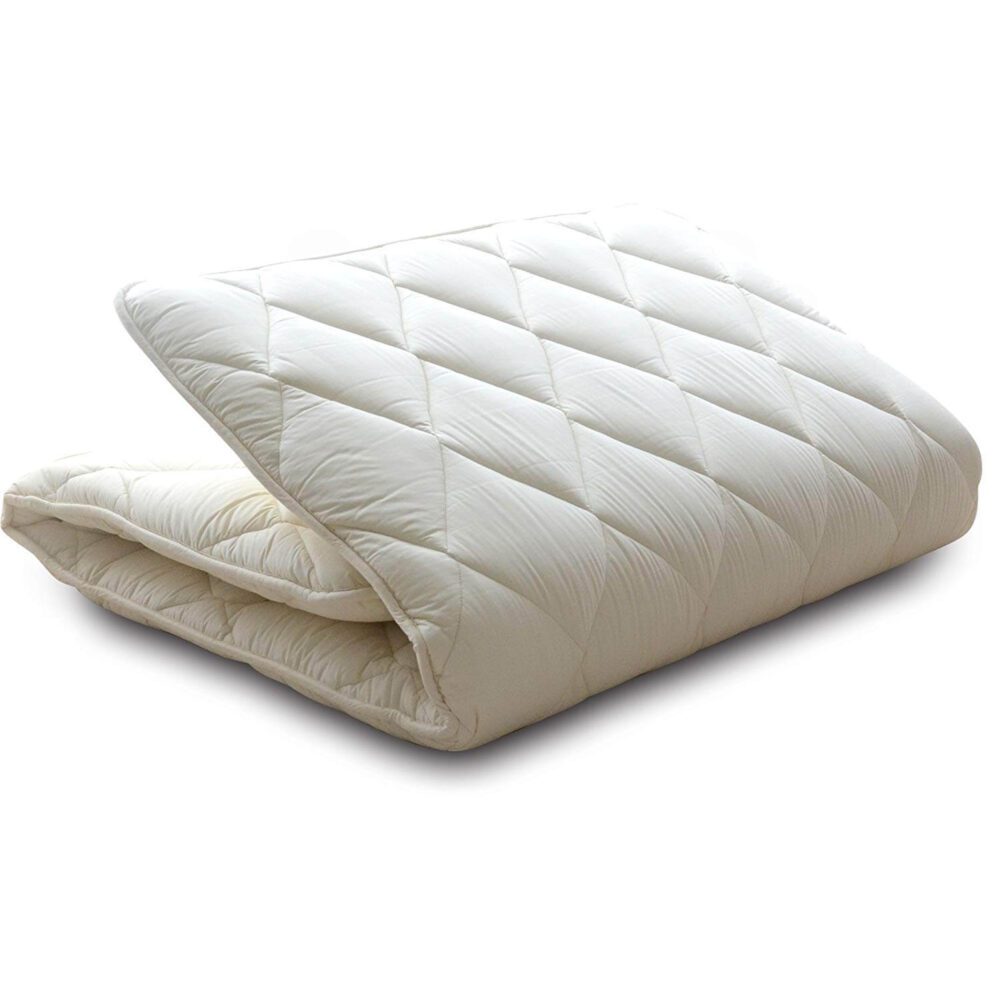
Technically yes, but it voids most warranties, traps moisture (mold risk), blocks airflow (heat buildup), and invites pests. If you must, use a breathable grid like the Japanese shikibuton layout and air out daily — but a $60 metal frame plus bunkie board is a far better solution.
No. Platform beds with built-in slatted or solid tops don’t need a separate box spring or foundation. Adding one would raise the mattress uncomfortably high. Check slat spacing only.
Check the mattress spec sheet or website — most brands list adjustable-base compatibility. Generally, foam and latex under 14 inches thick work; innerspring and thick luxury models (16″+) often don’t bend properly.
Yes — placing a 1–3 inch bunkie board on top of your existing box spring creates a solid surface foam mattresses need. Total combined height should still match manufacturer specs. Check your warranty first; some brands specifically require purpose-built foundations.
Inspect every 5 years, replace every 10–15 years for box springs, every 20+ for quality wood foundations, every 10–15 for adjustable bases. Always replace the foundation when it shows visible sag, creaks loudly, or has broken parts — regardless of age.
The foundation isn’t a boring afterthought — it determines whether your mattress lasts 3 years or 10. For foam or hybrid: solid or ≤3″ slat foundation, 5–7 legs with center support, weight capacity 25% above total load. For innerspring: matching box spring only. Adjustable bases are worth the $500–$1,500 upgrade for snoring, acid reflux, or anyone who reads in bed. Budget-minded: $140 (metal frame + bunkie board) protects warranty. Premium: brand-matched foundation or adjustable base for maximum mattress life and bedroom function.