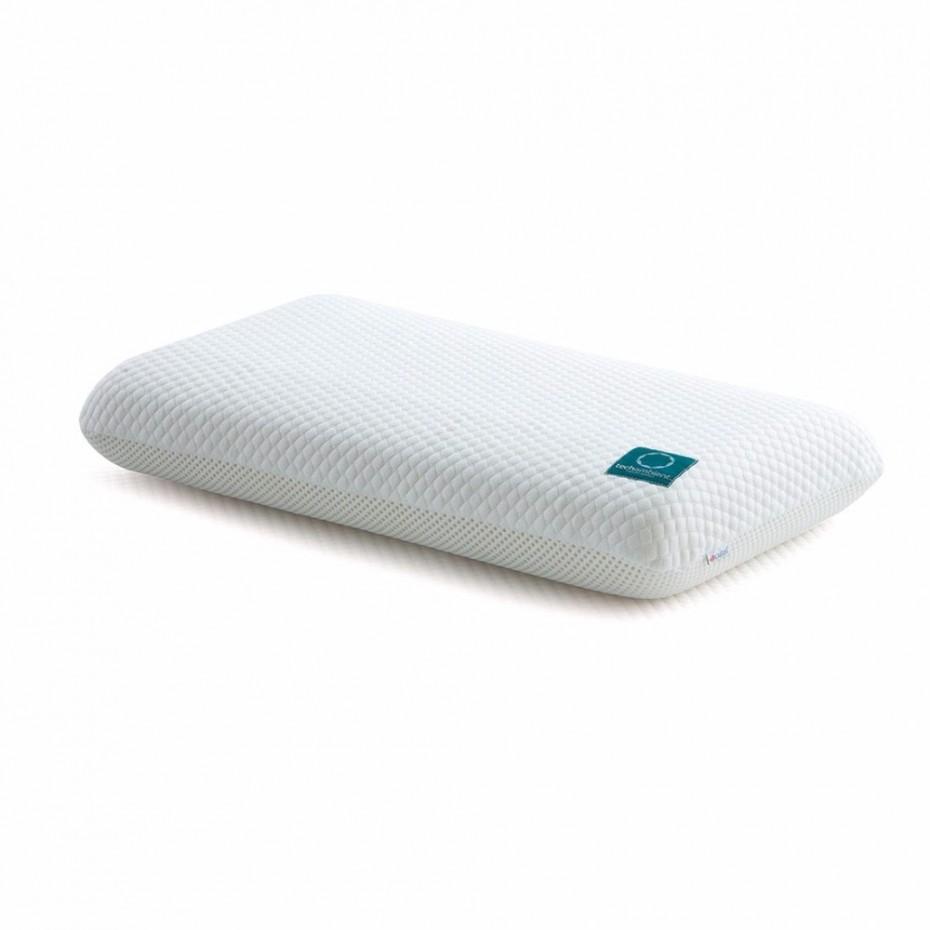
Microbead pillows are designed for comfort and durability. Every feature of the pillow has a specific, functional purpose, when combined creates a superb and extremely restful sleeping experience.
Surrounding the millions of microbeads that make up the majority of the pillow, is the pillow cover. These are most commonly made from lycra or spandex-like materials. They are light, and facilitate good airflow as well.
They are also stretchy enough to conform to a person’s head while sleeping, yet firm enough to keep their neck from bending into uncomfortable positions.
More high quality microbead pillows often have two sides: one side plush cotton polyester for a more firm sleeping experience, and the other side flexible spandex for a softer, cushier sleeping experience.
The Dreamer Evolution(TM) perfected by Snooztime is a perfect example of double-sided comfort. Combined comfort and breath ability is imperative to a great night’s rest, and this is precisely what most high quality microbead pillows offer.
However, it is not only the covering of these pillows that make their comfort rival all others, it is what fills them that makes the biggest difference.
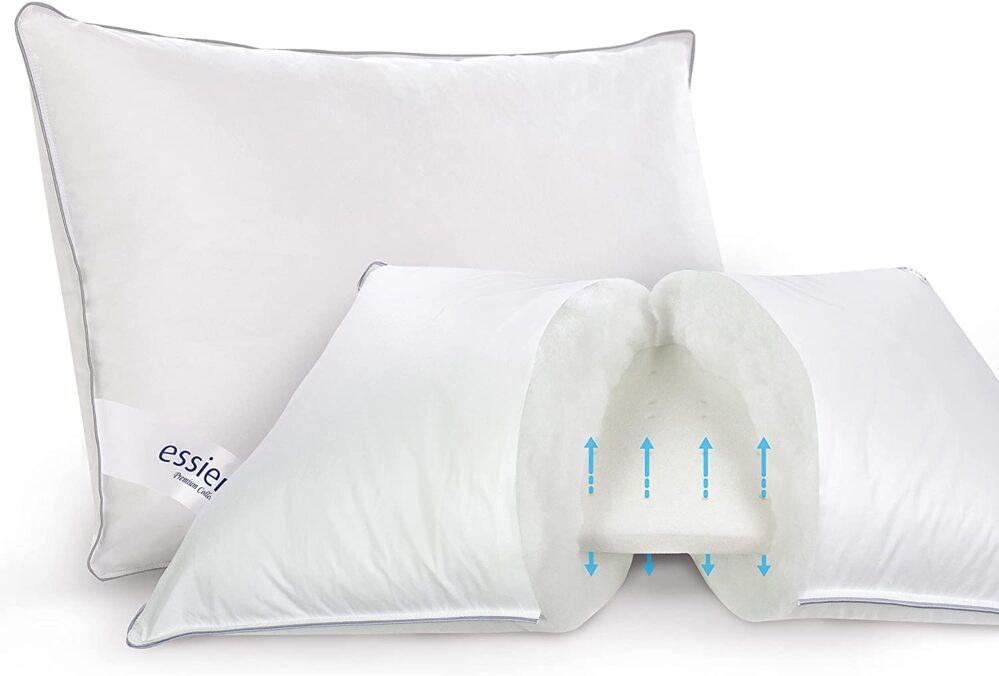
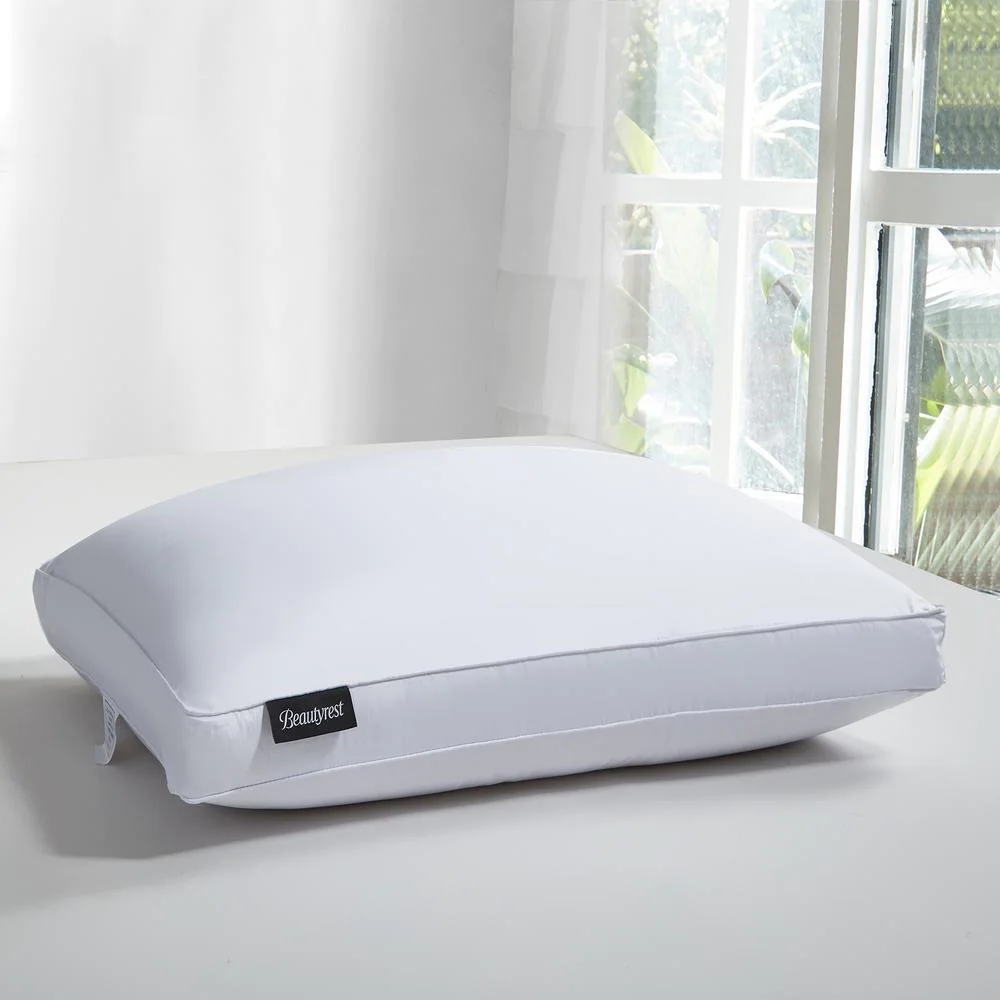
Inside all microbead pillows are, well, microbeads obviously. Each pillow contains millions of microbeads, which are incredibly tiny in order to ensure the maximum ability to conform to the user’s head and neck movements throughout the night.
Microbeads are most commonly made from polystyrene (a Styrofoam-like substance). This is incredibly superior for preventing pests such as moths, which prefer to enjoy a feast of cotton and down as opposed to Styrofoam pellets. Unlike down and memory foam pillows, they never compress and are always ready to support as well. See our memory foam vs latex topper.
Also, because they are tiny balls, they have the ability to move past one another easily, facilitating superb airflow, which helps with keeping cool and preventing allergens from appearing and spreading.
Certain, often higher quality brands incorporate extra features into their pillows in order to make one’s sleeping experience even better. See our mattress brands ranked. Snooztime pillows are also filled with nanofibers alongside of the micro beads in order to create additional height and firmness for better support.
Certain high quality companies such as Snooztime also use special microbeads that are more slippery and bacteriostatic which help with conforming to the head and neck as well as warding off dangerous allergens and dust mites.
Each component of a microbead pillow perform a certain task, and every component working together creates the best opportunity for a restful night and a comfortable morning.
Related: best mattresses of 2026
Related: mattress firmness guide
Related: innerspring vs hybrid vs memory foam
Related: best pillows for side sleepers
Related: cooling vs regular pillow
Related: hypoallergenic mattress options
Related: organic vs regular mattress
Related: best cooling mattresses
Related: how your mattress affects your body
Related: best hybrid mattress
Related: mattress in a box vs traditional
Related: best mattresses for side sleepers
Related: best mattress toppers
Related: king vs queen mattress
Choosing the Right Pillow for Your Sleep Style
Your pillow choice should complement your mattress and sleeping position to create a sleep system that keeps your spine in proper alignment from head to toe. Side sleepers generally need a thicker, firmer pillow (5-7 inches of loft) to fill the space between the shoulder and ear, keeping the neck and head aligned with the spine. Back sleepers typically perform best with a medium-loft pillow (3-5 inches) that supports the natural curve of the cervical spine without pushing the head too far forward. Stomach sleepers need the thinnest pillow possible (or no pillow at all) to prevent neck hyperextension that can lead to chronic pain and stiffness. If you change positions throughout the night, an adjustable-fill pillow that allows you to customize the loft offers the most versatile solution.
How Often Should You Replace Your Pillow?
Pillows accumulate dust mites, dead skin cells, body oils, and moisture over time, creating an increasingly unhygienic sleep surface that can exacerbate allergies and respiratory issues. Most sleep experts recommend replacing pillows every 1-3 years, depending on the fill material: synthetic fiber pillows have the shortest effective lifespan (12-18 months), down and feather pillows last 2-3 years with proper care, memory foam pillows maintain their properties for 2-3 years, and latex pillows can perform well for 3-4 years. A quick freshness test: if your pillow has a persistent odor even after washing, shows visible yellow staining that penetrates through the protector, or no longer springs back when folded in half, it is time for a replacement. Investing in a quality pillow protector and washing your pillowcase weekly can extend the useful life of any pillow by reducing the accumulation of contaminants that break down materials over time.
Looking for the right bed too? Browse our complete mattress buying guide.