Table of Contents
Side sleeping creates concentrated pressure at the shoulder and hip — the two widest points of the body. This article explains the science of pressure distribution and how different mattress constructions address these unique support demands.
Best Mattress for Side Sleepers

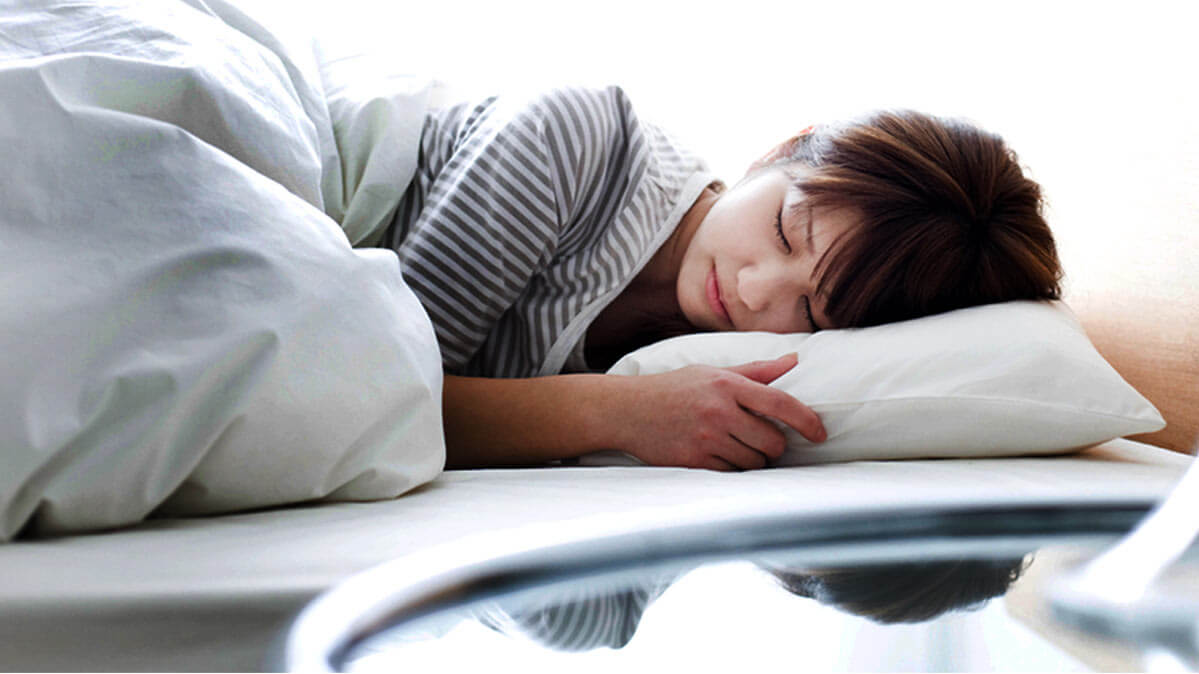
If you are a side sleeper, there is no doubt that you are familiar with the aches and pains often associated with the wrong mattress. While back sleepers can and do experience aches and pains from the wrong mattress, these symptoms are more common with side sleepers.
Why? Because, as a side sleeper, you have less surface contact with the mattress, which places more weight on your hips and your back than it would if you were a back sleeper.
But don’t try to change your sleeping position just yet. Side sleeping is actually very good for you. Not only does side sleeping relieve pressure on your back after a long day of stress (if you have the right mattress, that is).


But you are also providing your body with better blood flow and more nutrients while sleeping.
So what’s the fix? Finding the right mattress, of course.
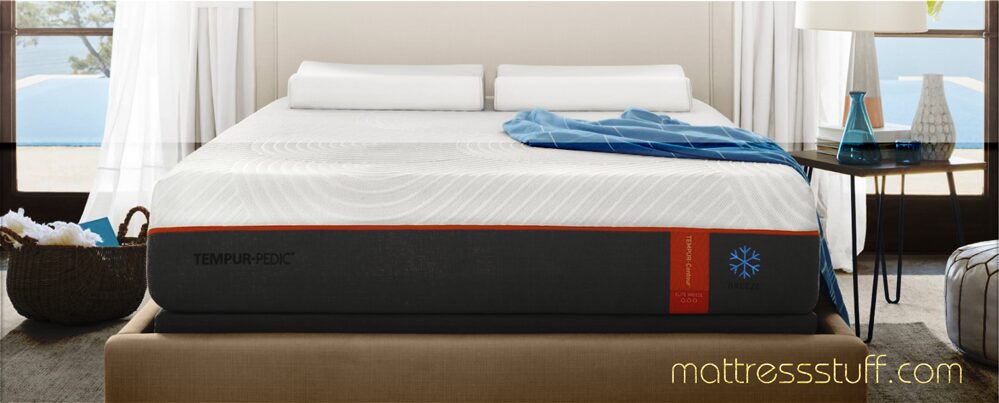
What is the right mattress for a side sleeper? According to mattress review experts, the best mattress for a side sleeper is one that provides ample support to the spine while still providing enough comfort that you can fall asleep easily. See our best mattresses of 2026.
How Firm is Too Firm?

Be careful about choosing a mattress that is too firm. The firmness level you choose will depend greatly on your weight, but choosing a mattress too firm for your weight can lead to serious aches and pains.
This is because a too-firm mattress will not allow your hips and shoulders to sink into the mattress, which leads to poor spinal alignment.
Outer Layer and Surface

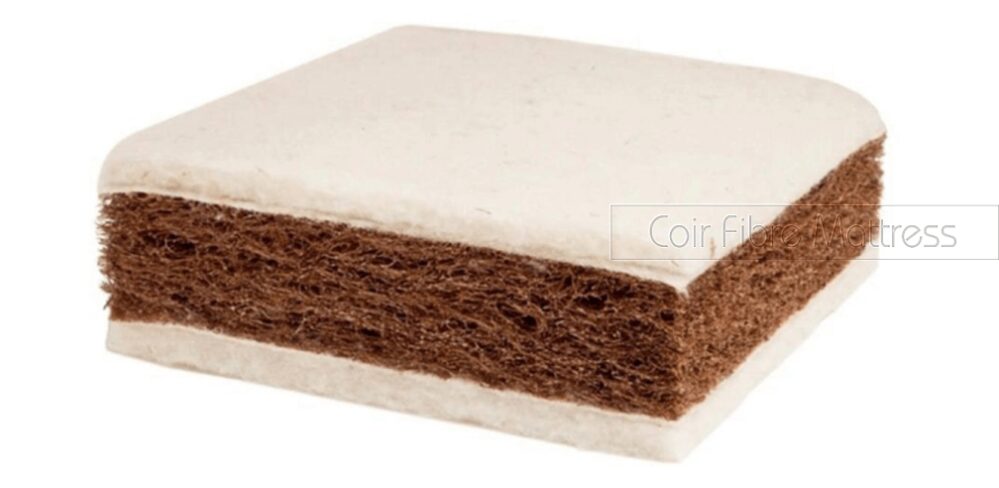
In addition to choosing a mattress that is firm without being too firm, side sleepers should choose a mattress with a soft outer layer and a profiled surface.
These features will provide cushioning to the hips and the shoulders without taking away from the support of the mattress’ core, resulting in a softer sleeping surface, less pressure on your hips and shoulders and it will make falling asleep much easier.
Don’t Forget the Pillow

While choosing your mattress is definitely the biggest part of your mattress shopping decision, it is also important to make sure that you find the right pillow to go with your new mattress.
Side sleepers often fail to find a pillow that places their spine in alignment, which can result in neck pain, headaches and more.
Some of the best mattress experts suggest memory foam pillows because of their ability to contour to the head while still keeping the neck in proper alignment.
However, there are many other contoured pillows available on the market today. Just make sure you choose one that suits your head size.
Building Better Sleep Habits
Quality sleep depends on more than just your mattress — it requires a holistic approach that addresses habits, environment, and timing. Sleep researchers emphasize the importance of maintaining a consistent sleep-wake schedule, going to bed and waking up at the same time every day including weekends, as this consistency strengthens your circadian rhythm and improves both sleep onset and sleep quality over time. Creating a pre-sleep wind-down routine of 30-60 minutes signals your body that sleep is approaching; this might include dimming lights, gentle stretching, reading, or taking a warm bath. Limiting caffeine after early afternoon and avoiding large meals within 2-3 hours of bedtime can significantly improve your ability to fall asleep and the quality of sleep you achieve.
Optimizing Your Sleep Environment
Your bedroom environment directly affects sleep quality, and optimizing it costs little but delivers significant benefits. Temperature is one of the most critical factors — your body temperature naturally drops during sleep, and a bedroom kept between 60-67°F (15-19°C) supports this natural process. Light exposure, even small amounts from electronic standby LEDs or streetlights through curtains, can disrupt melatonin production and fragment sleep; blackout curtains and removing light sources create a darker environment that promotes deeper, more restorative sleep. Noise disruptions can prevent deep sleep even when they do not fully wake you — a white noise machine or fan provides consistent background sound that masks intermittent disturbances. Together with a supportive mattress and properly selected pillow, these environmental optimizations create the foundation for consistently restorative sleep.