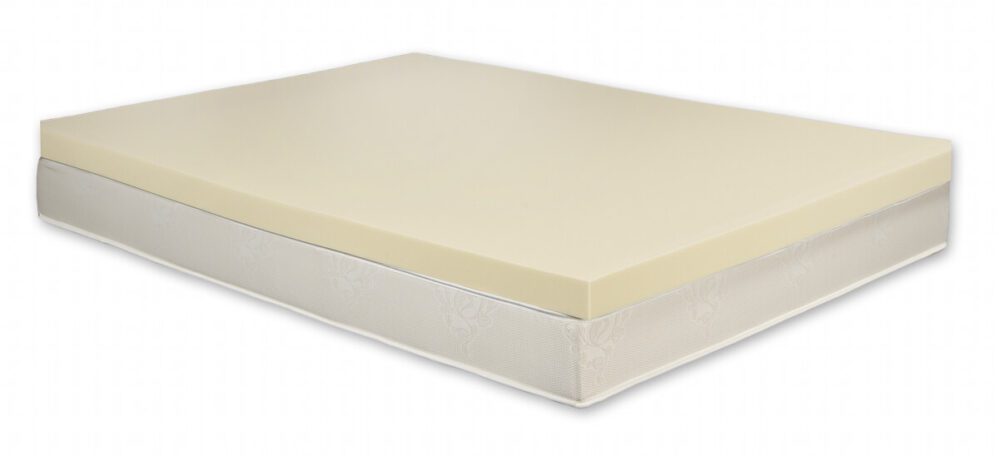
That chemical smell from your new memory foam mattress is called off-gassing — the release of volatile organic compounds (VOCs) trapped during manufacturing. While typically harmless, it can be unpleasant and concerning. This step-by-step guide covers exactly how to speed up off-gassing, when to be concerned, and what certifications ensure your foam is safe.
Having a little trouble with the smell from your memory foam mattress topper? I hear from you. See our memory foam vs latex topper. Mattress toppers are supposed to protect your primary mattress from all sorts of mattress mishaps. It takes most of the damage, not to mention, the smell.
There are some very easy ways you can personally do at home just to get rid of the smell. Here are a few of them:
Method 1: Sprinkle baking soda on both sides of the mattress topper. You can also give it a bit of rub so the powder can easily penetrate inside. Leave it there for a few minutes and vacuum it off so you can get rid of the powder.
Method 2: Mix vinegar with baking soda and water and put it in a spray bottle. Spray both sides of the mattress again and leave it there for about 30 minutes. Spray it again with water and let it dry in a well-ventilated room.
Method 3: Mix hydrogen peroxide with baking soda and water. Do the same technique as method 2. It might cause a bit of discoloration in your mattress. It should not matter since you are covering it with your bed sheets.

Method 4: The simplest method is to open the windows so air can come in and get rid of the smell from your mattress. You can also take the topper outside and sun dries it.
Method 5: Sprinkle baby powder on the mattress and give it a bit of rub. Let the baby powder sit on it for a few minutes and vacuum it afterward.
Method 6: Place charcoal in bowls and place it around the mattress. Use an electric fan to ventilate the mattress. Charcoal can help absorb the smell from the mattress.
Method 7: Mix lemon juice with water and spray it on both sides of the mattress. Leave it to dry for about half an hour. Afterward, let it dry under the sun or use your hair dryer.
Method 8: Spray rubbing alcohol on both sides of the mattress. This will also help disinfect the mattress.
Method 9: Mix your favorite essential oil with water and put it in an empty spray bottle. Spray the mattress with this perfumed solution and this should get rid of the smell.
Method 10: Soak a towel in the mixture of vinegar and water and wring out the excess. Put the towel on top of the mattress and let it sit there for a few minutes. Take it off afterward and sprinkle baking soda. Vacuum it after 30 minutes.
Related: best mattresses of 2026
Related: top mattress brands compared
Related: innerspring vs hybrid vs memory foam
Related: best mattress toppers
Related: best bed sheets
Related: mattress sizes guide
Related: king vs queen mattress
Related: mattress in a box vs traditional
The Evolution of Memory Foam Technology
Memory foam has undergone significant advancements since its initial development by NASA in the 1960s and its first commercial mattress application in the 1990s. First-generation memory foam was dense, heat-retentive, and had a slow response time that some sleepers found uncomfortable. Modern memory foam addresses these limitations through innovative cell structures and material infusions: open-cell technology allows air to flow more freely through the foam, reducing heat buildup; gel infusions distribute temperature more evenly across the sleeping surface; and copper and graphite additives enhance thermal conductivity to draw heat away from the body.
Memory Foam Density and Quality
Density is the single most important specification for evaluating memory foam quality and predicting long-term performance. Budget foams in the 2.5-3.5 lb/ft³ range may initially feel comfortable but tend to develop permanent body impressions within 2-4 years as the low-density structure breaks down. Mid-range foams of 4-5 lb/ft³ offer substantially better longevity, maintaining their supportive and conforming properties for 7-10 years. Premium foams of 5-7 lb/ft³ provide the most durable and consistent experience but can also retain more body heat due to their denser cell structure. When comparing mattresses, always check the density specification for a reliable indicator of foam quality.