Table of Contents
Did you know that manufacturers of the bed wedge pillow focus on five major health issues when designing and manufacturing a pillow wedge?
The reason this is important is that they have researched, received customer feedback, and are focused on these specific health issues. A bed pillow wedge provides relief and possibly a cure for many conditions. These are the primary health conditions requiring increasing sleep:
Back Pain:
The sleep wedge for back pain must support the lower lumbar and take stress off of the back muscles and spine.
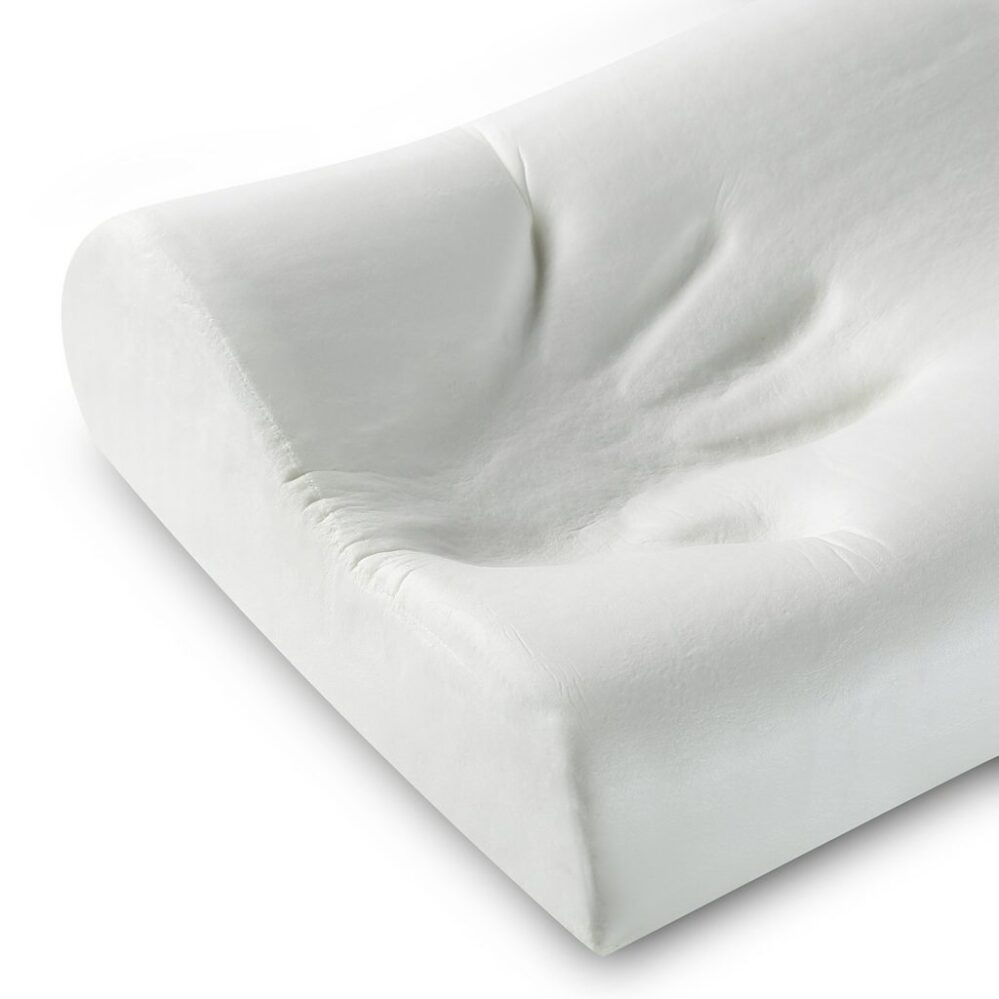
There is a memory foam pillow wedge with a groove for the spine for back sleepers. See our memory foam vs latex topper.
Side or back sleepers will benefit from a contoured pillow that cradles the neck and helps keep the spine straight.

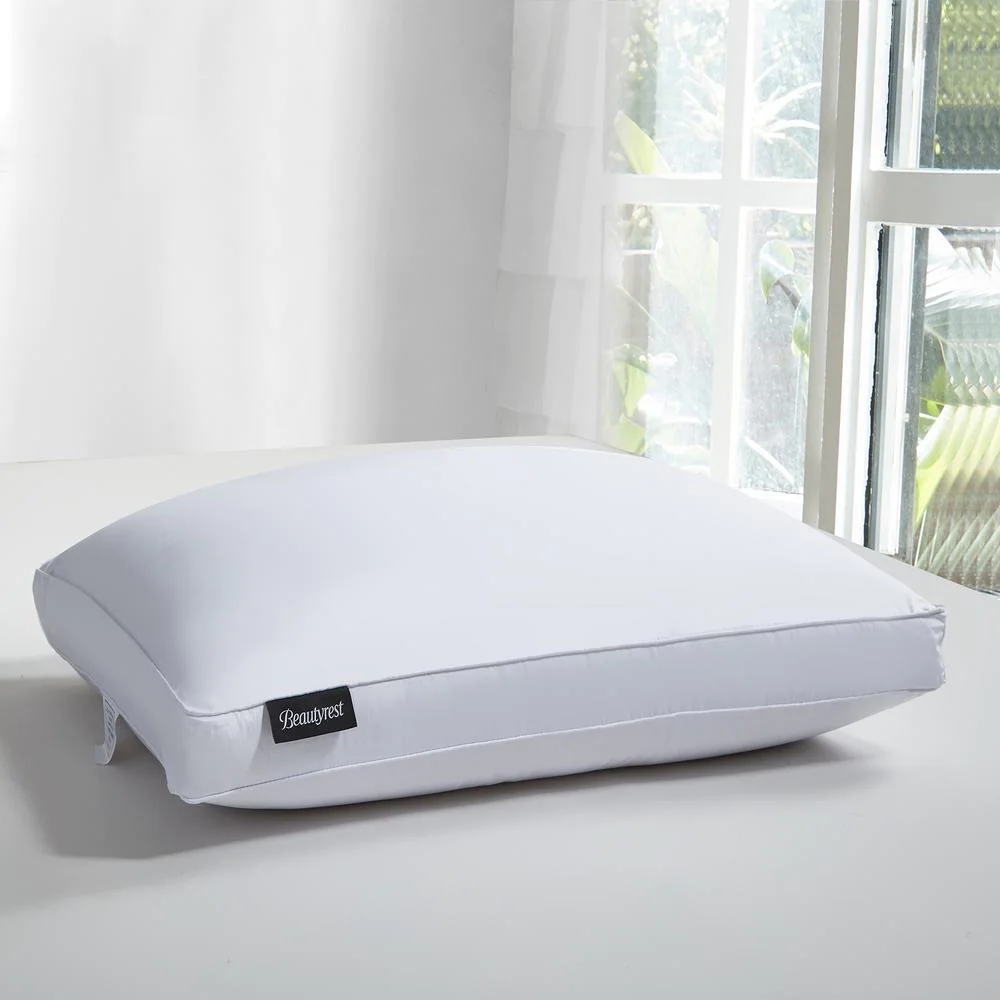
There are also lumbar support pillows for your desk chair.
Sleep Apnea:
Relaxed muscles in the throat cause limited air flow and sufferers of sleep apnea to stop breathing during sleep.
Through loud snorts and snoring they are able to breathe.
Severe cases use a CPAP and getforced air from the device to promote oxygenation during sleep.
The CPAP pillow cradles the neck and face with a cutout for the breathing device.
Acid Reflux:
This condition is caused by the contents of the stomach flowing back up the esophagus when the stomach is higher than the esophagus during bed rest.
The condition is very serious as it creates scars in the esophagus and has been linked to Barrett’s esophagus, a form of cancer.
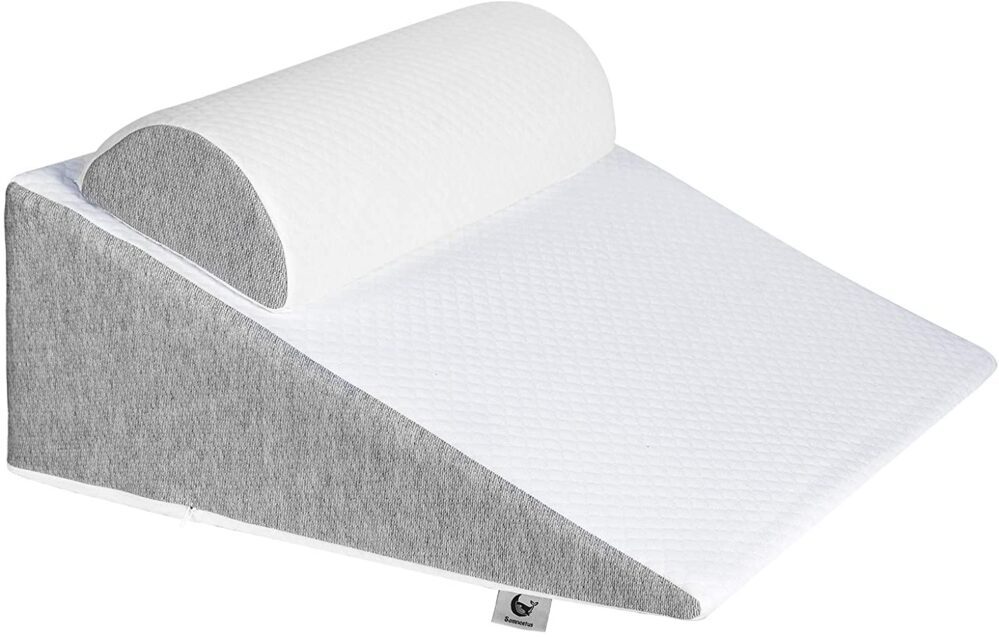
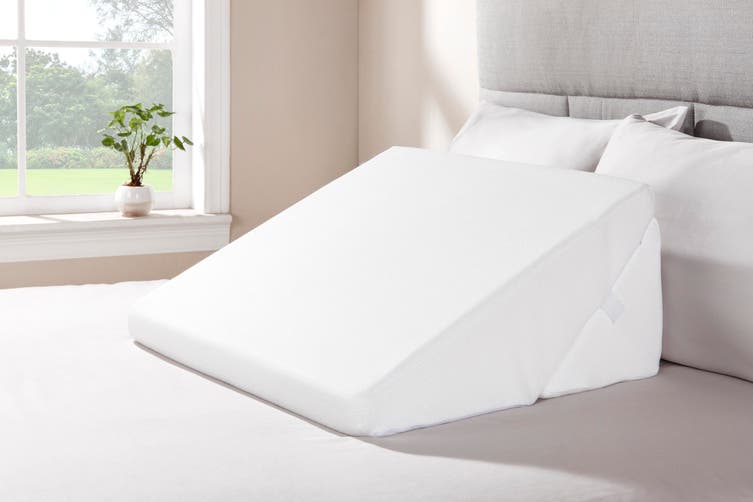
The most popular pillow wedge acid reflux is the adjustable bed wedge pillow which goes between the mattress and box springs.
Leg or Knee Pain:
Lower leg pain may be caused by poor blood circulation and may indicate varicose veins.
If you use a leg pillow wedge, you can increase the blood circulation by forcing the blood back to the heart inside of pooling in the leg veins.
Knee pain is tricky and you should have a medical doctor decide on the proper care.
People who have had knee replacement surgery should not use a knee pillow wedge without the doctor’s permission.
Snoring:
The snorer usually stops snoring when turned on his or her side. However, it is difficult to stay on your side without back and neck support.
The contoured memory foam pillow wedge elevates and cradles the head and often minimizes snoring. An adjustable bed wedge pillow at a smaller incline supports sleepers and tilts the head sometimes enough to stop snoring.
Related: best mattresses of 2026
Related: top mattress brands compared
Related: innerspring vs hybrid vs memory foam
Related: best mattresses for back pain
Related: best pillows for side sleepers
Related: cooling vs regular pillow
Related: best adjustable bed frames
Related: mattress sizes guide
Related: king vs queen mattress
Related: mattress in a box vs traditional
Related: best cooling mattresses
Related: best mattresses for side sleepers
Related: best mattress toppers
Choosing the Right Pillow for Your Sleep Style
Your pillow choice should complement your mattress and sleeping position to create a sleep system that keeps your spine in proper alignment from head to toe. Side sleepers generally need a thicker, firmer pillow (5-7 inches of loft) to fill the space between the shoulder and ear, keeping the neck and head aligned with the spine. Back sleepers typically perform best with a medium-loft pillow (3-5 inches) that supports the natural curve of the cervical spine without pushing the head too far forward. Stomach sleepers need the thinnest pillow possible (or no pillow at all) to prevent neck hyperextension that can lead to chronic pain and stiffness. If you change positions throughout the night, an adjustable-fill pillow that allows you to customize the loft offers the most versatile solution.
How Often Should You Replace Your Pillow?
Pillows accumulate dust mites, dead skin cells, body oils, and moisture over time, creating an increasingly unhygienic sleep surface that can exacerbate allergies and respiratory issues. Most sleep experts recommend replacing pillows every 1-3 years, depending on the fill material: synthetic fiber pillows have the shortest effective lifespan (12-18 months), down and feather pillows last 2-3 years with proper care, memory foam pillows maintain their properties for 2-3 years, and latex pillows can perform well for 3-4 years. A quick freshness test: if your pillow has a persistent odor even after washing, shows visible yellow staining that penetrates through the protector, or no longer springs back when folded in half, it is time for a replacement. Investing in a quality pillow protector and washing your pillowcase weekly can extend the useful life of any pillow by reducing the accumulation of contaminants that break down materials over time.