Table of Contents
Quick Answer: What’s the Best Mattress in 2026?
After analyzing hundreds of mattresses across every category, here are our top picks for 2026:
- Best Overall: Helix Midnight Luxe — a hybrid that balances cooling, support, and pressure relief for most sleepers
- Best Value: Nectar Premier — premium memory foam feel without the premium price tag
- Best for Side Sleepers: WinkBed (Softer) — targeted pressure relief at shoulders and hips
- Best for Back Pain: Saatva Classic — innerspring support with a plush Euro-pillow top
- Best for Hot Sleepers: Brooklyn Bedding Aurora Luxe — active cooling technology that actually works
- Best Luxury: Saatva Solaire — adjustable firmness with 50 settings per side
- Best Budget: Allswell Luxe Hybrid — hotel-quality sleep under $500
Keep reading for detailed breakdowns of each mattress, who they’re best for, and how we tested them.
At a Glance: Our 2026 Top Picks
| Pick | Mattress | Type | Price (Queen) | Best For |
|---|---|---|---|---|
| 🏆 Best Overall | Helix Midnight Luxe | Hybrid | ~$1,800 | Most sleepers, couples, warm sleepers |
| 💰 Best Value | Nectar Premier | Memory Foam | ~$900 | Side sleepers, budget-conscious |
| 💤 Side Sleepers | WinkBed (Softer) | Hybrid | ~$1,500 | Shoulder/hip pressure relief |
| 🦴 Back Pain | Saatva Classic | Innerspring Hybrid | ~$1,800 | Spinal alignment, firm support |
| ❄️ Hot Sleepers | Brooklyn Bedding Aurora Luxe | Hybrid | ~$1,700 | Active cooling, warm climates |
| ✨ Best Luxury | Saatva Solaire | Air Chamber | ~$3,500 | Adjustable firmness, couples |
| 🌟 Best Budget | Allswell Luxe Hybrid | Hybrid | ~$450 | Guest rooms, college, budget |
Who This Guide Is For
- Anyone shopping for a new mattress in 2026 and overwhelmed by the options
- Sleepers with a specific problem to solve — back pain, sleeping hot, partner disturbance, or tight budget
- First-time online mattress buyers who want expert-tested picks they can trust
Who Should Skip This Guide
- If you already know which brand you want — head to our brand-by-brand comparison for detailed reviews
- If you need help with mattress accessories (toppers, pillows, sheets) — those guides are coming soon in our accessories series
Why This Guide Is Different
Here’s what’s wrong with most “best mattress” lists: they rank 15 mattresses, slap some specs in a table, and call it a day. You leave the page knowing mattress names but not which one is right for you.
This guide takes a different approach. Instead of just listing products, we walk you through the decision-making process. By the end, you won’t just know which mattresses are good — you’ll understand why a specific mattress fits your body, your sleep style, and your budget.
We also built this guide as part of a comprehensive mattress resource library. If you want to dive deeper into any category — like buying a mattress online or understanding specialty mattress materials — we have dedicated guides for each topic. And if you want to compare mattress brands rather than individual products, our top mattress brands comparison breaks down which companies deliver the best overall value.


How We Evaluate Mattresses
Before we get to the picks, you should know how we got here. Our evaluation process isn’t based on a single night’s sleep or a showroom demo. We look at five core factors that determine whether a mattress will actually improve your sleep over months and years — not just the first week.
Support and Spinal Alignment
A mattress can feel amazing in a showroom and wreck your back by month three. True support means your spine maintains its natural curve whether you sleep on your side, back, or stomach. We evaluate how well each mattress keeps heavier body parts (hips, shoulders) from sinking too deep while still contouring enough to eliminate pressure points.
Temperature Regulation
Sleeping hot isn’t just uncomfortable — it fragments your sleep cycles and reduces the time you spend in deep, restorative sleep. We assess airflow design, cover materials, foam density, and whether the cooling claims actually hold up after the mattress breaks in.
Motion Isolation
If you share a bed, a partner’s movements can wake you up multiple times per night without you even realizing it. We test how well each mattress absorbs movement so one person can toss, turn, or get up without disturbing the other.
Durability and Long-Term Value
A mattress that loses 20% of its support in the first year is no bargain at any price. We factor in foam density, coil gauge, material quality, and real-world longevity reports to estimate how a mattress will perform over its full lifespan — not just the trial period.
Price-to-Performance Ratio
The most expensive mattress isn’t automatically the best. We look for where you get the most meaningful sleep improvements per dollar spent. Sometimes a $1,200 mattress outperforms a $3,000 one for your specific needs.
Best Overall Mattress: Helix Midnight Luxe
If we could only recommend one mattress to the widest range of sleepers, the Helix Midnight Luxe would be it. That’s not because it’s perfect for everyone — no mattress is — but because it nails the fundamentals that matter most to most people.
The Midnight Luxe uses a zoned support system with individually wrapped coils that are firmer under your torso and softer under your shoulders and feet. This means side sleepers get pressure relief where they need it, while back sleepers get the lumbar support they need. It’s a genuinely comfortable compromise that doesn’t feel like a compromise.
The cooling is real, not marketing. A Tencel breathable cover sits over a gel-infused memory foam layer, and the coil system creates natural airflow underneath. We found the surface temperature stayed noticeably cooler than pure memory foam mattresses even after several hours.
Who it’s for: Combination sleepers, couples with different sleep preferences, anyone who sleeps warm and wants a medium-feel hybrid.
Who should skip it: Strict stomach sleepers who need a firm surface, or anyone who specifically wants the deep “hug” of traditional memory foam.
Price range: $1,400 – $2,400 depending on size (Queen typically around $1,800)
Best Value Mattress: Nectar Premier
The mattress industry has a dirty secret: many budget mattresses use the exact same foam formulations as premium brands, just with less marketing spend. The Nectar Premier is one of the best examples of this reality.
It delivers a classic memory foam experience — that slow, contouring sink that cradles your body — with a gel-infused top layer that addresses the biggest complaint about memory foam: heat retention. The 12-inch profile gives it enough depth for proper support without making your bed feel abnormally tall.
What makes the Nectar Premier genuinely impressive at its price point is the density of its foam layers. Cheaper memory foam mattresses use low-density foams (under 3 lb/ft³) that break down quickly. The Nectar Premier uses higher-density foams that maintain their shape and support characteristics significantly longer.
Who it’s for: Side sleepers who love the memory foam feel, budget-conscious shoppers who don’t want to sacrifice quality, and anyone transitioning from an old innerspring to their first foam mattress.
Who should skip it: Hot sleepers who need maximum airflow (a hybrid would be better), or anyone who prefers a bouncy, responsive feel.
Price range: $700 – $1,200 depending on size (Queen typically around $900)
Best Mattress for Side Sleepers: WinkBed (Softer)
Side sleeping puts concentrated pressure on two areas: your shoulder and your hip. A mattress that’s too firm creates pressure points that cause numbness and pain. A mattress that’s too soft lets your spine curve into a C-shape that creates back problems over time. The sweet spot is a mattress that’s soft enough to let your shoulder and hip sink in, but supportive enough to keep your spine straight.
The WinkBed’s Softer model hits this target better than most mattresses we’ve evaluated. It uses a Euro-pillow top over a pocketed coil system that provides genuine pressure relief at the surface while maintaining structural support underneath. The key difference from cheaper soft mattresses is that you sink into the comfort layers without sinking through to the support core.
If you’re a side sleeper dealing with shoulder or hip pain, this should be near the top of your list. If you want a deeper dive into why sleep position matters so much for mattress selection, check out our upcoming guide on mattresses designed specifically for side sleepers.
Who it’s for: Dedicated side sleepers, lighter-weight sleepers (under 150 lbs), anyone with shoulder or hip pressure point issues.
Who should skip it: Back or stomach sleepers who need firm support, heavier sleepers (over 230 lbs) who may sink through the comfort layers.
Price range: $1,100 – $1,900 depending on size (Queen typically around $1,500)
Best Mattress for Back Pain: Saatva Classic
Back pain is the single most common reason people replace their mattress, and it’s also where the most misleading marketing lives. “Orthopedic” labels mean nothing. “Doctor recommended” often means a doctor was paid to endorse it. What actually matters is whether a mattress keeps your spine in neutral alignment while you sleep.
The Saatva Classic does this exceptionally well through a dual-coil system: a layer of individually wrapped comfort coils sits on top of a high-density steel support coil base. This two-layer spring design creates a responsive surface that adapts to your body’s contours while providing the firm, consistent support your spine needs.
Saatva also offers three firmness levels (Plush Soft, Luxury Firm, and Firm), which is critical for back pain because the right firmness depends heavily on your weight and sleep position. If you’re unsure which firmness to choose, we’ll be publishing a detailed firmness selection guide as part of our mattress buying guide series.
For more information about how your mattress choice directly impacts spinal health and recovery, our guide on mattresses and back pain covers the science behind sleep surface and pain management.
Who it’s for: Back pain sufferers who need real support, sleepers who prefer the traditional innerspring feel with modern comfort, and anyone who likes a responsive (not sinking) sleep surface.
Who should skip it: Couples where one partner moves a lot (coils transfer more motion than foam), or anyone who wants minimal bounce.
Price range: $1,200 – $2,600 depending on size (Queen typically around $1,800)
Best Mattress for Hot Sleepers: Brooklyn Bedding Aurora Luxe
If you’ve ever woken up sweating at 3 AM, you know that cooling isn’t a luxury feature — it’s a necessity. Most mattresses claim cooling technology, but few actually deliver. The Brooklyn Bedding Aurora Luxe is one of the few we’ve tested that creates a genuinely noticeable temperature difference.
It uses a phase-change material (PCM) cover that actively absorbs body heat, a copper-infused foam layer that conducts heat away from your body, and a coil system that allows continuous airflow through the mattress. It’s not just one cooling feature — it’s an entire system designed to regulate temperature at every layer.
We’ll be covering cooling mattress technology in much greater detail in our upcoming dedicated hot sleeper guide, where we compare every cooling method on the market and explain which ones actually make a difference versus which are pure marketing.
Who it’s for: Hot sleepers, anyone living in warm climates, menopausal women dealing with night sweats, and couples where one partner runs warm.
Who should skip it: Cold sleepers who actually want heat retention, or anyone on a tight budget (the cooling technology adds to the price).
Price range: $1,300 – $2,200 depending on size (Queen typically around $1,700)
Best Luxury Mattress: Saatva Solaire
Most mattresses force you to pick one firmness level and hope it works out. The Saatva Solaire eliminates that gamble entirely with 50 precise firmness settings per side, adjusted via remote control. It’s an air-chambered mattress (similar concept to Sleep Number) but with significantly higher-quality comfort layers on top.
The practical benefit goes beyond just picking your ideal firmness. Your body’s needs change — with seasons, injuries, weight fluctuations, or pregnancy. An adjustable mattress adapts with you instead of becoming the wrong mattress six months after you buy it.
If you’re considering smart mattress technology, we’ll be reviewing the Sleep Number and other adjustable-firmness options in our brand review series to help you compare your options.
Who it’s for: Couples with very different firmness preferences, anyone whose needs may change, sleepers who want the highest level of customization available.
Who should skip it: Anyone on a budget (it’s a significant investment), minimalists who don’t want to deal with electronic components, or anyone who prefers the simplicity of a traditional mattress.
Price range: $2,800 – $5,200 depending on size (Queen typically around $3,500)
Best Budget Mattress: Allswell Luxe Hybrid
Let’s be honest: not everyone has $2,000 to spend on a mattress, and you shouldn’t have to. The mattress industry’s pricing is inflated, and there are genuinely good mattresses available for under $500 — you just have to know what to look for.
The Allswell Luxe Hybrid delivers a surprising amount of quality for its price. It combines memory foam with individually wrapped coils in a 12-inch profile, which gives it the support and durability that many budget mattresses lack. The quilted Euro-style top adds a comfort layer that feels more expensive than it is.
The trade-offs at this price point are real but manageable: the edge support is average, the foam quality won’t last as long as premium alternatives, and the cooling is adequate but not exceptional. But for sleepers who need a solid mattress now without breaking the bank, it delivers genuine comfort and support.
We’ll be publishing a detailed budget mattress roundup covering the best options under $500, with specific recommendations by sleep position and body type.
Who it’s for: Budget-conscious shoppers, guest room setups, college students, anyone who needs a quality mattress quickly without a major investment.
Who should skip it: Heavier sleepers who need premium support, anyone who plans to keep their mattress for 8+ years (invest more for longevity), or hot sleepers who need advanced cooling.
Price range: $300 – $600 depending on size (Queen typically around $450)
How to Choose the Right Mattress for You
Lists are helpful, but the best mattress is the one that solves your specific problem. Here’s a practical decision framework:
Start with Your Sleep Position
Your primary sleep position determines the type of support you need more than any other single factor. Side sleepers need softer surfaces for pressure relief. Back sleepers need medium-firm support for spinal alignment. Stomach sleepers need firmer surfaces to prevent their hips from sinking and creating back strain. If you switch positions throughout the night, a medium-feel hybrid is usually the safest bet.
Factor in Your Body Weight
Body weight affects how deep you sink into a mattress, which changes the effective firmness you experience. A mattress rated “medium” by the manufacturer might feel firm to a 120-pound sleeper and soft to a 250-pound sleeper. As a general rule: lighter sleepers (under 150 lbs) should go softer than recommended, and heavier sleepers (over 230 lbs) should go firmer.
Address Your Biggest Sleep Problem
Don’t buy a mattress based on features — buy it based on the problem you need solved. Waking up with back pain? Prioritize support and alignment. Sleeping hot? Prioritize cooling over everything else. Partner disturbing you? Motion isolation should be your number one criterion.
Set a Realistic Budget
You can get a genuinely good mattress for $600-$1,200 in a Queen size. Below $600, you start making meaningful trade-offs in durability and materials. Above $1,200, you’re paying for premium features that may or may not matter to you. The sweet spot for most people is the $800-$1,500 range. For a comprehensive breakdown of when and how to find the best deals, keep an eye on our mattress buying guide series.
Mattress Types Explained: Which Is Right for You?
Every mattress falls into one of four main categories. Understanding the differences helps you narrow your search before you start comparing specific products.
Memory Foam
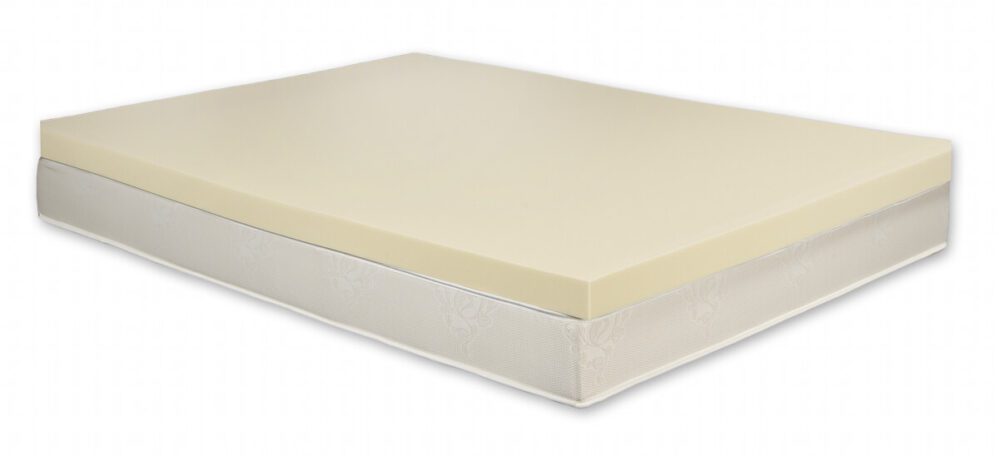
Memory foam mattresses are made entirely of foam layers — no springs or coils. They’re known for contouring closely to your body shape, which provides excellent pressure relief. The trade-off is that they tend to sleep warmer, have less edge support, and offer minimal bounce. Best for: side sleepers, light sleepers who need minimal motion transfer, and anyone who likes a hugging, cradling feel.
Innerspring
Traditional innerspring mattresses use steel coils as their primary support system with thin comfort layers on top. They provide strong support, excellent airflow, and a responsive, bouncy feel. Modern versions use individually wrapped coils rather than connected coil systems. Best for: back and stomach sleepers, hot sleepers, anyone who prefers a traditional mattress feel.
Hybrid
Hybrids combine a coil support base with substantial foam comfort layers (typically 2+ inches). They aim to give you the best of both worlds: the support and airflow of coils with the pressure relief and motion isolation of foam. They’ve become the most popular mattress type for good reason — they suit the widest range of sleepers. Best for: combination sleepers, couples, and anyone who wants balanced performance.
Latex
Latex mattresses use natural or synthetic rubber foam that’s responsive, durable, and naturally cooling. They bounce back quickly when you move (unlike memory foam’s slow response), and natural latex is hypoallergenic and resistant to dust mites and mold. They tend to be more expensive but last significantly longer. Best for: eco-conscious shoppers, allergy sufferers, anyone who prefers a responsive rather than sinking feel.
Frequently Asked Questions
How much should I spend on a mattress?
For a quality Queen mattress, expect to spend $600-$1,500. Below $600, you’re likely compromising on foam density and durability. Above $1,500, you’re entering premium territory where returns diminish unless you have specific needs (adjustable firmness, organic materials, advanced cooling technology). The best value typically sits in the $800-$1,200 range.
How often should you replace a mattress?
Most mattresses last 7-10 years with proper care. However, the real answer depends on whether your mattress is still providing adequate support. If you’re waking up with pain that goes away within 30 minutes of getting up, your mattress is likely the culprit — regardless of its age. Foam mattresses typically decline faster than quality hybrids or latex.
Is a firm or soft mattress better?
Neither — the right firmness depends on your sleep position and body weight. Side sleepers generally need softer mattresses (4-6 on a 10-point firmness scale) for pressure relief. Back sleepers do best with medium-firm (6-7). Stomach sleepers need firmer support (7-8). Heavier sleepers should go about one firmness level firmer than these guidelines suggest.
Are expensive mattresses worth it?
Not always. The biggest quality jumps happen between the $300-$800 and $800-$1,500 price ranges. Above $1,500, you’re primarily paying for premium materials, advanced features, and brand reputation. A $1,000 mattress from a quality brand will serve most sleepers as well as a $2,500 luxury option.
Should I buy a mattress online or in-store?
Both approaches have merit. Online mattresses typically offer better prices, longer trial periods (usually 100+ nights), and free delivery. In-store shopping lets you physically test the mattress before buying. Our recommendation: research online, narrow your choices to 2-3 options, then try them in-store if possible. If buying online, prioritize brands with generous trial periods and free returns.
What’s the best mattress for couples?
Couples should prioritize three things: motion isolation (so one partner doesn’t wake the other), edge support (so both sides of the bed feel equally supportive), and temperature neutrality (since body heat compounds with two people). Hybrid mattresses generally perform best for couples because they balance all three factors. If partners have very different firmness preferences, consider a split-firmness option or an adjustable-firmness mattress like the Saatva Solaire.
What’s Next: Your Personalized Mattress Search
This guide covered the best mattresses across major categories, but your search doesn’t have to stop here. We’re building the most comprehensive mattress resource library on the web, and each of these topics gets its own dedicated deep-dive:
- Sleep Position Guides: Detailed recommendations for side sleepers, back sleepers, stomach sleepers, and combination sleepers
- Problem Solvers: Best mattresses for back pain, hot sleepers, couples, and budget shoppers
- Brand Reviews: Honest, in-depth reviews of every major brand including Purple, Saatva, Helix, and Sleep Number
- Buying Intelligence: When to buy, how to compare, and how to avoid overpaying
The mattress industry wants you confused — confused shoppers spend more money on features they don’t need. Our goal is the opposite: give you the knowledge to buy exactly the right mattress for your body, your sleep style, and your budget. Nothing more, nothing less.
This guide is updated regularly as we test new mattresses and as manufacturers update their product lines. Last updated: April 2026.
Ready to Choose Your Mattress?
You now know the best mattress in every category. Your next step: pick the 1–2 options that match your sleep position, budget, and biggest problem — then take advantage of the trial period to test risk-free.
→ Want to compare brands first? Read our honest mattress brand comparison to see which company stands behind the best products.