Table of Contents
A travel pillow isn’t just a trusty companion during long trips on a plane or a train. His Royal Highness himself, the Prince of Wales, hasn’t gone anywhere without his thermo-sensitive isotonic pillow in its red tartan cover placed behind him to support his lower back while traveling.
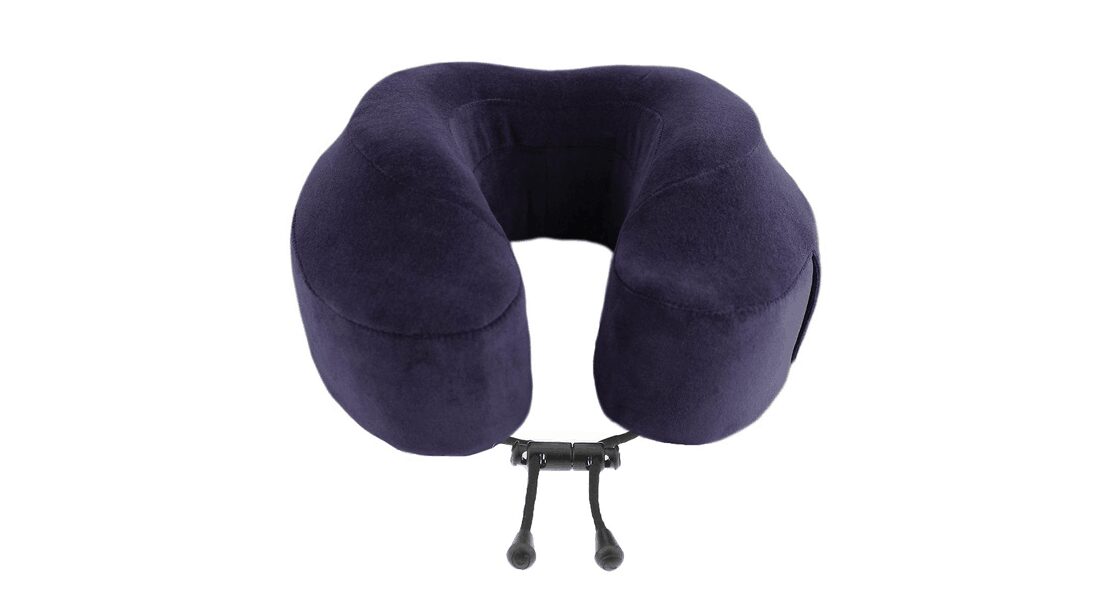
If you or someone you know has the same problem as Prince Charles, then a memory foam travel pillow is particularly helpful in keeping their spine correctly aligned while sitting down for more than an hour. See our memory foam vs latex topper. Take note of three important tips when choosing a pillow made from temper foam.
Choose a travel pillow that allows air to flow through its memory foam.
The foam material molds to the natural contours of the neck and spine, but feels firm enough to support the back when forced to remain in the same position for a long period. However, it also tends to retain heat and absorb sweat from the skin. So, a travel pillow with an open cell structure cools down the skin around the neck and back while the world-weary traveler sleeps comfortably.
Choose a travel pillow with anti-stress nodules on it.
Some pillows have a set of circular mounds that hit the right points on the sleeper’s neck and back. These nodules are said to stimulate blood circulation, which eases muscle aches and pain. This also relieves the pressure on the back while the traveler sits or lies inclined on the seat. Even when it’s not used while traveling, this pillow helps the body relax after a stressful work day.
Choose the cover and the contents of the travel pillow carefully.
Some pillows have a removable cover that you can change into something made from pure cotton to avoid an allergic reaction. Vinyl covers are also available to prevent dust mites from settling. In addition, select a pillow with hypoallergenic temper foam to help rhinitis sufferers sleep better.


Temperature-sensitive foam is also called “slow spring back foam” that’s designed to soften when exposed to body heat and mold to the shape of the body. Foam with lower density responds more to pressure placed against it and returns to its original shape after the pressure has been removed.
Recently, third-generation types of memory foam contain gel or bamboo fibers that further reduce the amount of heat that the material retains. These fibers make the pillow respond to pressure and body heat faster and also make it feel softer to the touch.
Related: best mattresses of 2026
Related: compare mattress brands
Related: innerspring vs hybrid vs memory foam
Related: best pillows for side sleepers
Related: cooling vs regular pillow
Related: mattress sizes guide
Related: king vs queen mattress
Related: hypoallergenic mattress options
Related: organic vs regular mattress
Related: best cooling mattresses
Related: how your mattress affects your body
Related: mattress in a box vs traditional
Related: best mattresses for side sleepers
Related: best mattress toppers
Choosing the Best Travel Pillow for Your Journey
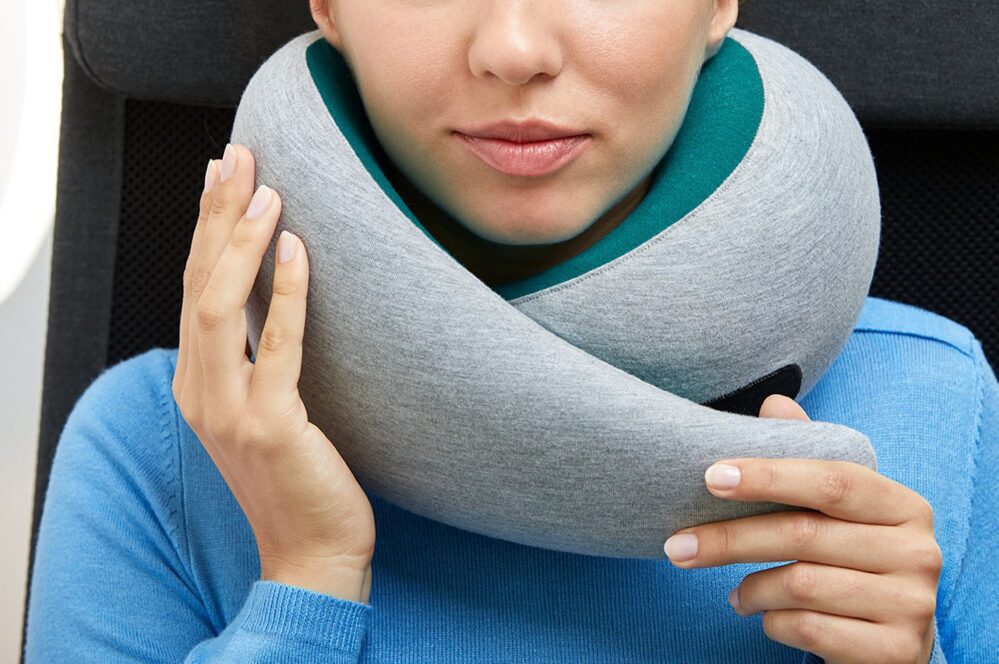
Travel pillows have evolved far beyond the basic U-shaped neck pillow, with designs now available for every travel scenario and sleeping preference. For airline travel, consider pillows that provide chin support in addition to neck support, as forward head drop is the primary cause of in-flight sleep disruption and resulting neck stiffness. Memory foam travel pillows contour to your neck shape and provide consistent support, while inflatable pillows offer the advantage of packing down to almost nothing when deflated. For road trips and train travel where you can lean against a window or headrest, a compact rectangular pillow may provide more versatile support than a traditional neck pillow. Some innovative designs combine a scarf or hood with neck support, providing both comfort and the light-blocking privacy that helps many travelers fall asleep faster in public settings.