Table of Contents
Feather pillows have been well-liked for centuries. Does one deserve to be on your bed? Let’s look at their main advantages and disadvantages.
Feather Pillows Advantages
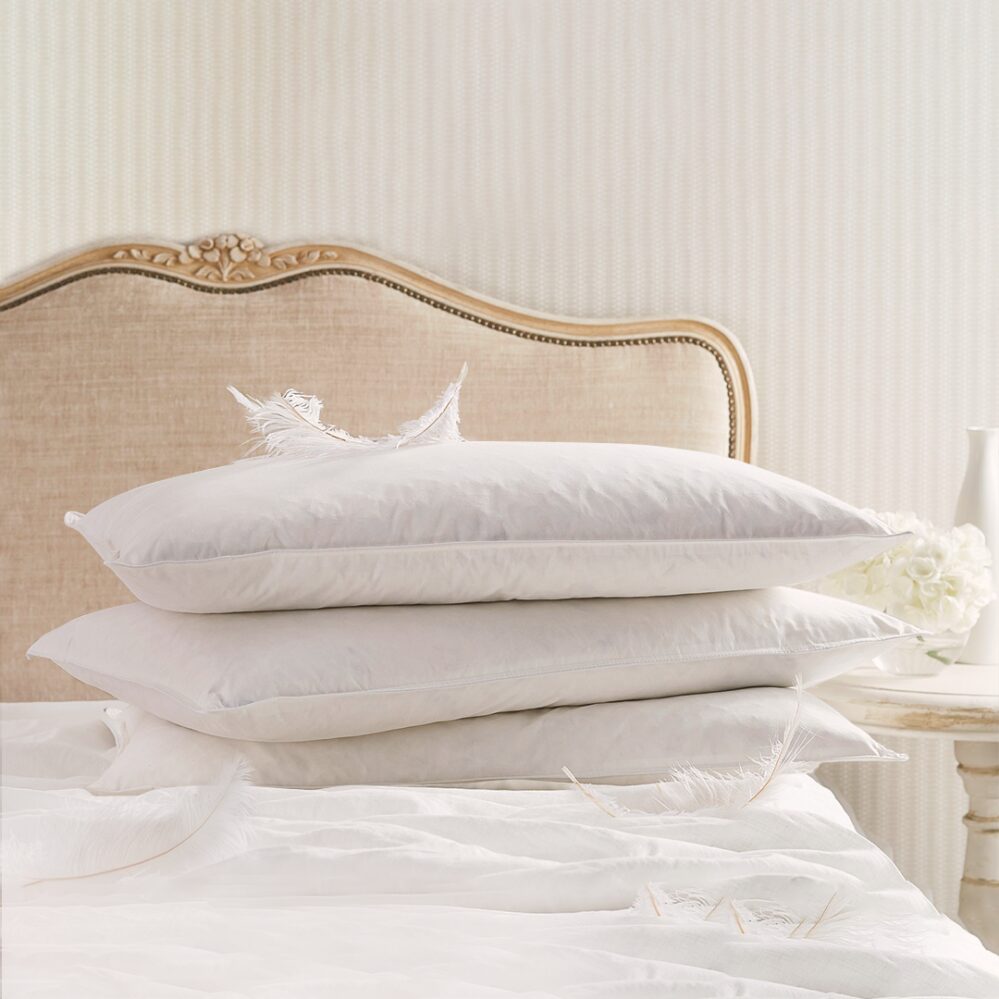
Feather pillows are very soft, cuddly and moldable. They contour to the head and neck reasonable well and provide more support than down. You can scrunch the pillow to provide your head and neck with support where you need it.
They are also among the most durable pillows that you can buy and will last for ten years or even longer with reasonable care.
They usually can be machine washed and dried. Feather pillows are considered a strong value because they often last so long.
Because birds fly, their feathers must be light weight or they would not get off of the ground. As a result, feather pillows weigh very little, usually weigh no more than a pound or two.
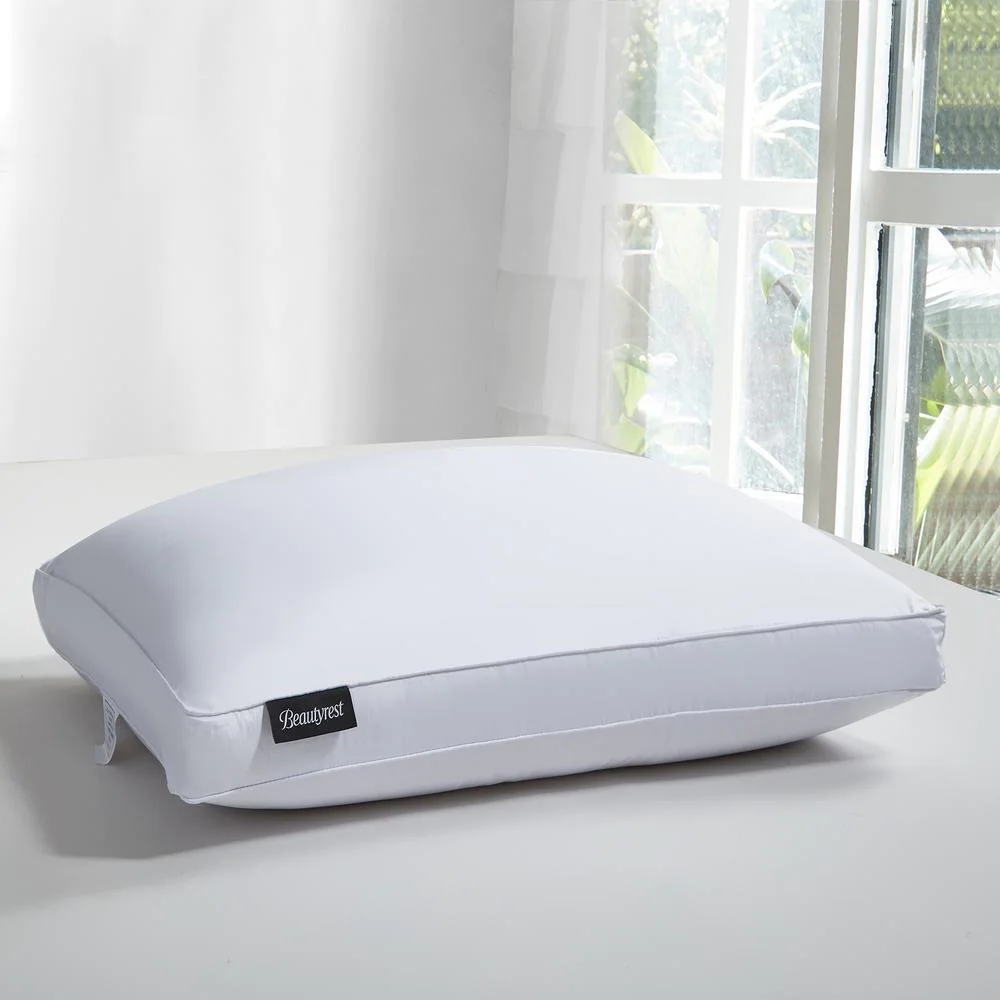
Feather Pillows Disadvantages
Feather pillows often do not maintain significant support throughout the night because they tend to sink in to some degree.
As a result, you may find yourself needing to adjust the pillow during the night. And fluffing the pillow or shaking it may also be required to return the pillow to its preferred loft. As the pillow ages, increased fluffing or shaking will be required.
The hard quills of the feathers can often be noticed through the case and can even poke through.
Further, you may notice a crunching-like noise when the pillows are compressed because the feathers can contain hard parts or because the pillow has a plastic layer to prevent the feathers from poking through.
Finally, feather pillows have been known on occasion to have an odor, maybe of water fowl or chemicals used to sanitize the feathers.
Related: best mattresses of 2026
Related: comparing mattress brands
Related: best pillows for side sleepers
Related: cooling vs regular pillow
Related: best cooling mattresses
Related: gel memory foam for hot sleepers
Related: best mattresses for side sleepers
Related: best RV mattress
Related: innerspring vs hybrid vs memory foam
Related: memory foam vs latex topper
Related: king vs queen mattress
Related: mattress in a box vs traditional
Related: best mattress toppers
The Art of Caring for Down and Feather Pillows
Down and feather pillows offer a luxurious sleep experience with their natural softness and moldability, but they require more attentive care than synthetic alternatives to maintain their loft and comfort. Professional cleaning is recommended every 6-12 months, though most quality down pillows can be carefully machine washed on a gentle cycle with mild detergent and thoroughly tumble dried on low heat with clean tennis balls to refluff the clusters. Between washes, daily fluffing by hand helps redistribute the fill and maintain even loft across the pillow surface. Using a pillow protector underneath your pillowcase adds a crucial barrier against body oils, sweat, and moisture that can break down natural down clusters over time and create an environment for dust mite colonization.
Down vs. Feather: Understanding the Difference
The terms “down” and “feather” are often used interchangeably, but they refer to distinctly different materials with different sleep characteristics. Down refers to the soft, fluffy clusters found beneath a bird’s outer feathers — these three-dimensional clusters trap air and create lightweight insulation without quill points, resulting in a supremely soft pillow with excellent loft. Feathers are the flat, outer plumes with a central quill shaft — feather pillows are firmer and more supportive than pure down but may have quill ends that occasionally poke through the fabric casing. Most pillows sold as “down” are actually down-and-feather blends, with the percentage of each material significantly affecting both performance and price. A higher down percentage (70% or more) generally indicates a softer, lighter, and more expensive pillow, while higher feather content provides more support at a lower cost. Fill power, measured in cubic inches per ounce, indicates down cluster quality — higher fill power (600+) means larger, more resilient clusters that provide better loft and insulation with less weight.