Table of Contents
An estimated 20 million Americans are allergic to dust mites—microscopic creatures that thrive in the warm, moist environment inside your mattress. If you’ve been waking up congested, sneezing, or with itchy eyes, your mattress might be the biggest allergen source in your home, harboring up to 10 million dust mites after just two years of use.
Why Your Current Mattress Might Be Making You Sick
Most people blame seasonal allergies for their morning symptoms, but indoor allergens—particularly those living inside mattresses—cause year-round reactions that worsen over time. A typical mattress doubles in weight over 10 years from accumulated dust mites, dead skin cells, body oils, and fungal spores. This isn’t just unpleasant; it triggers histamine responses that disrupt sleep quality, increase inflammation, and can worsen conditions like asthma and eczema.
The three primary mattress allergens are dust mites (feeding on dead skin cells), mold and mildew (thriving in moisture from sweat), and volatile organic compounds or VOCs (off-gassing from synthetic materials). Each requires a different defensive strategy, which is why simply buying any mattress labeled “hypoallergenic” often doesn’t solve the problem. Understanding which allergens affect you most determines which mattress materials and features actually matter for your situation.
Hypoallergenic Mattress Materials: A Science-Based Ranking
Natural Latex: The Gold Standard
Natural latex derived from rubber tree sap contains proteins that are inherently antimicrobial and resistant to dust mites. Unlike synthetic alternatives, natural latex’s open-cell structure allows airflow while its dense molecular composition prevents allergen penetration. Talalay-processed latex offers slightly better breathability than Dunlop, though both perform exceptionally against allergens. The one caveat: approximately 1–2% of the population has a latex allergy itself, making this material counterproductive for that small group. If you’re unsure, a simple skin-prick test from an allergist costs $15–$30 and provides definitive answers.
Dense Memory Foam: Budget-Friendly Barrier
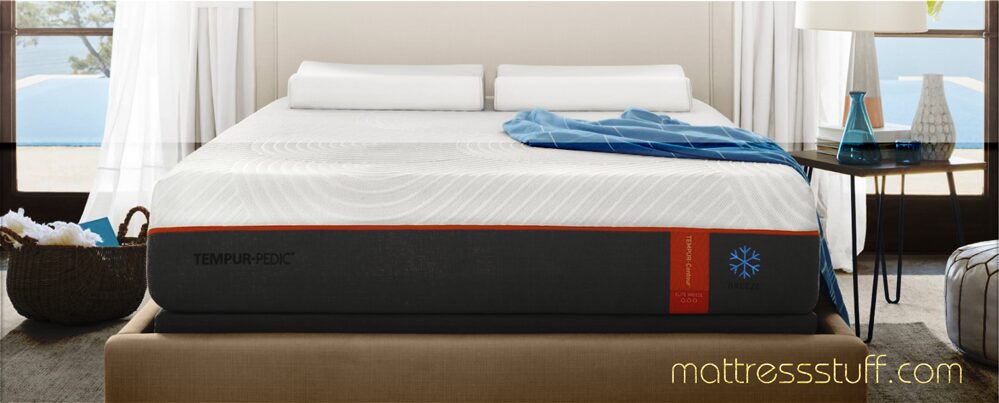
High-density memory foam (5+ lb/ft³) creates a structure too compact for dust mites to colonize effectively. The challenge is that cheaper, low-density foams (under 3.5 lb/ft³) have larger cell structures that can harbor allergens over time. When shopping, look specifically for foams with CertiPUR-US certification, which limits harmful chemicals and VOCs—both allergen triggers themselves. Memory foam’s primary drawback for allergy sufferers is heat retention, since warm, moist environments accelerate dust mite reproduction.

Innerspring and Hybrid: The Allergen Traps
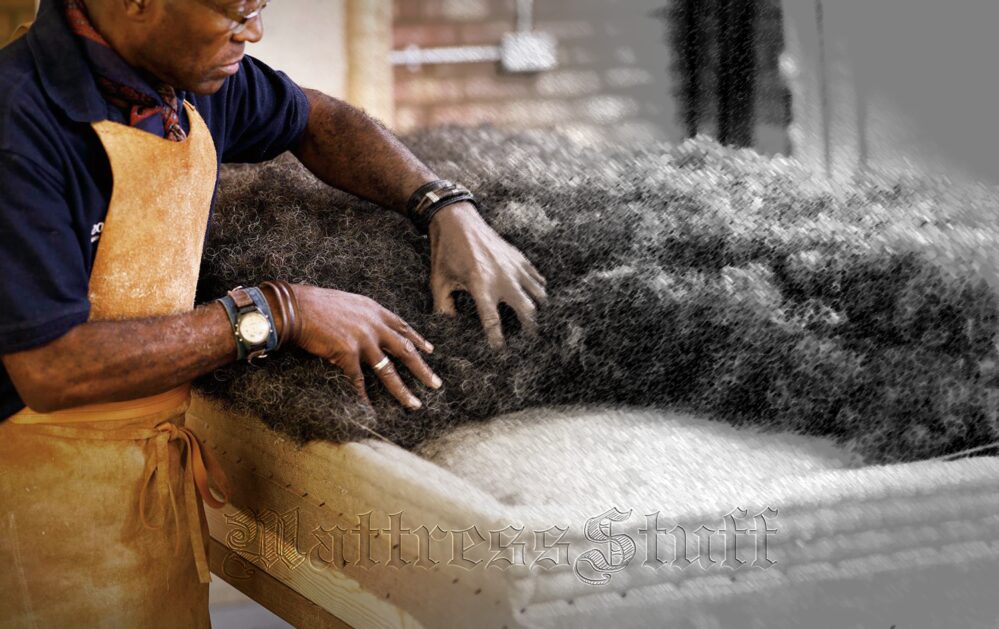
Traditional innerspring mattresses are the worst choice for allergy sufferers. The open coil chambers create perfect environments for dust mite colonies, and the fibrous padding layers trap dead skin cells. Hybrids perform somewhat better due to foam comfort layers, but the coil base still provides hiding spaces. If you prefer the feel of springs, choose a hybrid with individually pocketed coils wrapped in fabric encasements, which limit allergen migration compared to open Bonnell coil systems.
What Most People Get Wrong About “Hypoallergenic” Labels
Here’s the counterintuitive truth: “hypoallergenic” has no regulated definition in the mattress industry. Any manufacturer can slap this label on any product without meeting specific standards. A $200 polyester-filled mattress can legally claim to be hypoallergenic right next to a $2,000 certified organic model. The labels that actually matter are third-party certifications with verifiable testing standards. GOTS (Global Organic Textile Standard) verifies organic materials and restricts chemical treatments. GREENGUARD Gold certifies low chemical emissions. OEKO-TEX Standard 100 tests for harmful substances. CertiPUR-US specifically covers foam safety. A mattress carrying at least two of these certifications offers meaningful protection that the word “hypoallergenic” alone never guarantees.
Best Hypoallergenic Mattress Types by Allergen Concern
For Dust Mite Allergies
Your best defense combines a natural latex or high-density foam mattress with an encasement cover featuring a pore size under 10 microns—small enough to physically block dust mites and their waste particles. Top performers include Avocado Green (natural latex, GOTS-certified, ~$1,399 queen), PlushBeds Botanical Bliss (customizable latex layers, ~$1,299 queen), and the Amerisleep AS3 (plant-based foam, CertiPUR-US, ~$1,049 queen). Pair any of these with a certified allergen-barrier mattress protector to create a nearly impenetrable system.
For Mold and Mildew Sensitivity
Moisture control is everything. Latex naturally resists mold growth, but cooling mattresses with enhanced airflow prevent the moisture accumulation that breeds fungal growth. Look for mattresses with breathable covers (Tencel or organic cotton), ventilated foam layers, and—if possible—a slatted bed frame rather than a solid platform. Brands like Birch by Helix and Saatva Zenhaven use natural latex with wool moisture barriers that wick sweat away from the sleep surface, reducing mold risk by up to 70% compared to standard polyester covers.
For Chemical Sensitivities (VOC/Off-Gassing)
If synthetic chemicals trigger your reactions, organic and natural mattresses are non-negotiable. New conventional mattresses release formaldehyde, flame retardant chemicals, and petroleum-based VOCs that peak during the first 72 hours but can continue for months. Organic mattresses meeting GOTS standards use natural fire barriers (wool or hydrated silica) instead of chemical flame retardants and contain no polyurethane foam. Expect to pay $1,200–$2,800 for a queen, but the 20+ year lifespan of quality latex makes the per-year cost surprisingly competitive with replacing cheaper mattresses every 7–8 years.
The Complete Allergy Defense System Beyond Your Mattress
Even the best hypoallergenic mattress only solves part of the problem. Your pillows accumulate the same allergens (replace them every 1–2 years or use washable latex pillows), and your sheets and bedding should be washed weekly in water above 130°F to kill dust mites. A HEPA air purifier in the bedroom reduces airborne allergens by 50–70%, and maintaining humidity below 50% makes your entire sleep environment hostile to dust mites and mold. These complementary steps can be as impactful as the mattress itself—a $50 hygrometer and dehumidifier routine often delivers more allergy relief than upgrading from a $1,000 to a $2,000 mattress.
Who Should Invest in a Hypoallergenic Mattress
A dedicated hypoallergenic mattress is worth the investment if you experience morning congestion or sneezing that improves throughout the day, have diagnosed dust mite or mold allergies, suffer from asthma that worsens at night, notice skin irritation or eczema flare-ups after sleeping, or are sensitive to chemical smells from new products. The improvement can be dramatic—allergy sufferers who switch to certified organic or natural latex mattresses report 40–60% reduction in nighttime symptoms within the first month.
Who Should Skip Premium Hypoallergenic Options
If your allergies are primarily outdoor or seasonal (pollen, grass), a premium hypoallergenic mattress won’t address the root cause—save your money and invest in a quality allergen-barrier mattress protector ($40–$80) for your current mattress instead. Similarly, if you have a latex allergy, the most popular hypoallergenic mattresses are off-limits, but high-density memory foam with proper certification still works well. People who sleep cool and live in dry climates face minimal mold risk, making moisture-focused features unnecessary.
Budget-Friendly Allergy Solutions: Making Any Mattress Safer
Not everyone can afford a $1,500+ organic mattress. If budget is tight, these steps can transform an affordable mattress into an allergy-friendlier sleep surface. Start with a zippered allergen-barrier encasement (not just a protector) with laboratory-tested pore sizes—brands like AllerEase and SafeRest offer queen-size options for $30–$50. Add a natural latex or certified foam topper ($150–$300) over the encasement to create a hypoallergenic sleep surface. Combined with weekly hot-water sheet washing and a consistent bedroom hygiene routine, this $200–$350 system delivers roughly 80% of the allergy protection of a premium organic mattress at a fraction of the cost.
Verdict: Your Hypoallergenic Mattress Decision
For dust mite and mold allergy sufferers, a natural latex mattress with GOTS certification represents the most effective long-term solution—the Avocado Green at $1,399 offers the best balance of allergen protection, comfort, and value. For chemical sensitivity, any GREENGUARD Gold and GOTS-certified organic mattress eliminates the primary triggers. Budget-conscious shoppers should pair a CertiPUR-US certified memory foam mattress ($500–$800) with a proper allergen-barrier encasement, delivering strong protection for under $900 total. The single most impactful step, regardless of mattress choice, is adding a certified allergen-barrier encasement—it’s the highest ROI allergy investment in your bedroom.
Frequently Asked Questions
Can mattress allergens cause skin problems beyond respiratory symptoms?
Absolutely. Dust mite waste contains enzymes called proteases that break down human skin cells for digestion—these same enzymes trigger contact dermatitis, eczema flare-ups, and unexplained itching in sensitized individuals. Studies show that mattress-dwelling allergens contribute to 30–40% of chronic eczema cases in adults, particularly when symptoms worsen overnight and improve during daytime hours away from the bedroom.
How long does off-gassing last on a new memory foam mattress?
Peak VOC emissions occur during the first 3–7 days, with most detectable off-gassing subsiding within 2–4 weeks in a well-ventilated room. However, low-level emissions from non-certified foams can continue for 6+ months. CertiPUR-US certified foams off-gas approximately 60% less than uncertified alternatives. To minimize exposure, unwrap your mattress in a well-ventilated room, run a fan directed at it for 72 hours, and avoid sleeping on it during that initial period.
Is a mattress protector enough, or do I need a fully hypoallergenic mattress?
For mild allergies, a laboratory-tested allergen-barrier encasement (not a basic protector) provides 85–90% of the protection at 5% of the cost. The critical difference is pore size: effective encasements block particles under 10 microns, while standard protectors only resist liquid. Severe allergy sufferers benefit from both—a hypoallergenic mattress reduces the allergen source while the encasement prevents colonization from external sources like airborne skin cells.
Do hypoallergenic mattresses lose their protective properties over time?
Natural latex maintains its antimicrobial properties indefinitely because resistance is inherent to the material’s molecular structure, not a surface treatment. However, mattresses relying on applied antimicrobial treatments (silver-ion coatings, chemical sprays) lose effectiveness within 2–5 years as treatments degrade. This is why material-based protection—latex, dense foam, organic wool—outperforms treatment-based protection long-term and represents better value despite higher upfront cost.
Can children with asthma safely use memory foam hypoallergenic mattresses?
CertiPUR-US or GREENGUARD Gold certified memory foam is safe for children with asthma and actually reduces nighttime symptoms compared to innerspring mattresses. The concern about memory foam and children relates to suffocation risk in infants under 12 months—not allergens or chemicals. For toddlers through teenagers, a firm certified memory foam mattress with an allergen-barrier cover creates an excellent asthma-friendly sleep environment at a lower cost than organic latex alternatives.
What’s the difference between “organic” and “natural” mattress labels?
This distinction matters significantly for allergy sufferers. “Organic” with GOTS certification means materials are grown without synthetic pesticides, processed without harmful chemicals, and verified through third-party auditing—it’s a legally regulated term with strict enforcement. “Natural” has zero legal definition in the mattress industry, meaning a mattress containing 15% natural latex and 85% synthetic materials can advertise as a “natural latex mattress.” Always verify specific certifications rather than relying on marketing language.