Introduction:
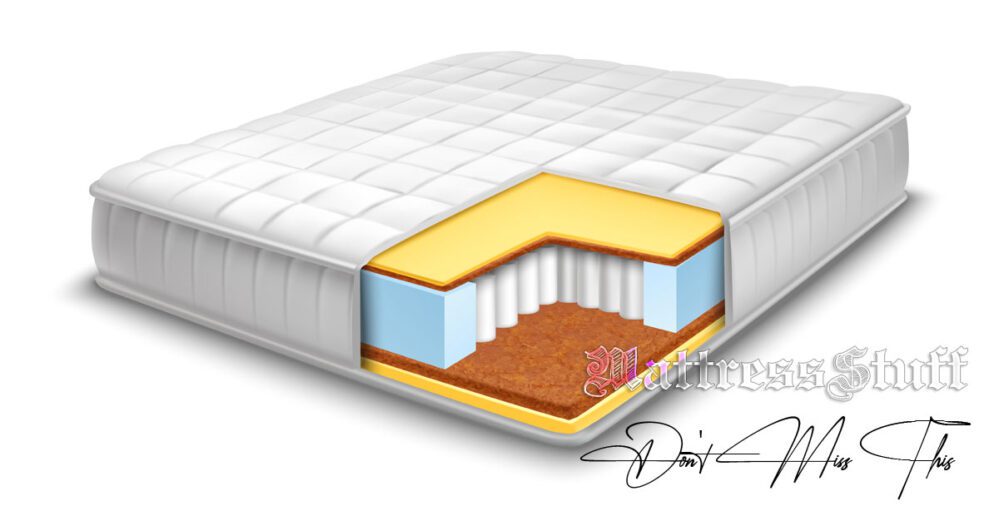
When shopping for a new mattress, it’s important to understand the different layers that make up the mattress and how they contribute to overall comfort and support. In this guide, we’ll break down the three main layers of a mattress:
- Comfort layers
- Support layers
- Base layers.
We’ll also discuss the different materials that are commonly used in each layer, and how they can affect your sleep experience.
Comfort Layers: The Top Layer of Luxury
The top layer of a mattress, also known as the comfort layer, is the one that makes direct contact with your body. It’s responsible for providing the initial cushioning and pressure relief that helps you feel comfortable while you sleep. The material used in the comfort layer can vary greatly depending on the mattress, but it is often made of memory foam, latex, or a combination of both. See our memory foam vs latex topper.
Memory foam is a popular choice for comfort layers because it conforms to the shape of your body and evenly distributes your weight. This helps to reduce pressure points and increase circulation, leading to a more restful night’s sleep.
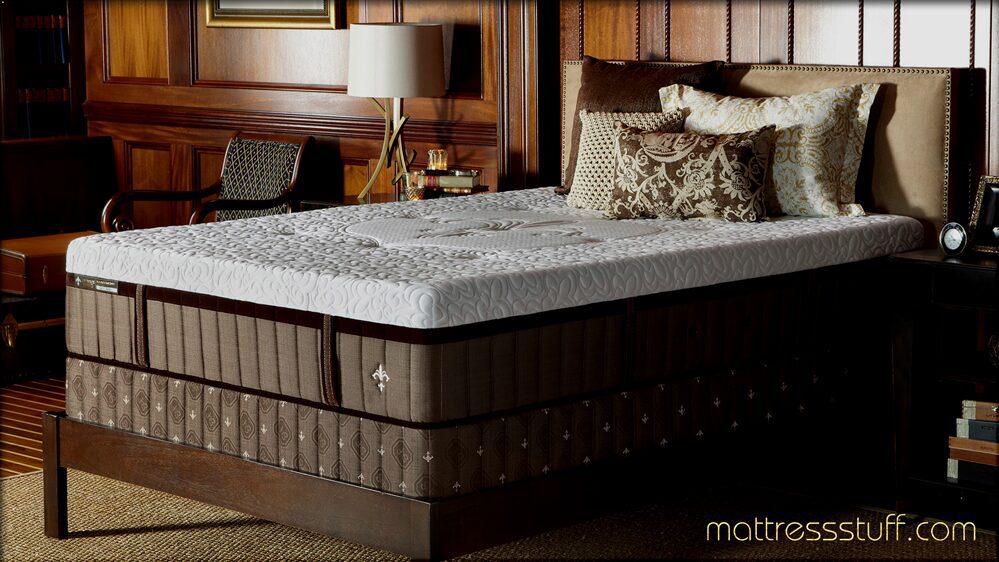
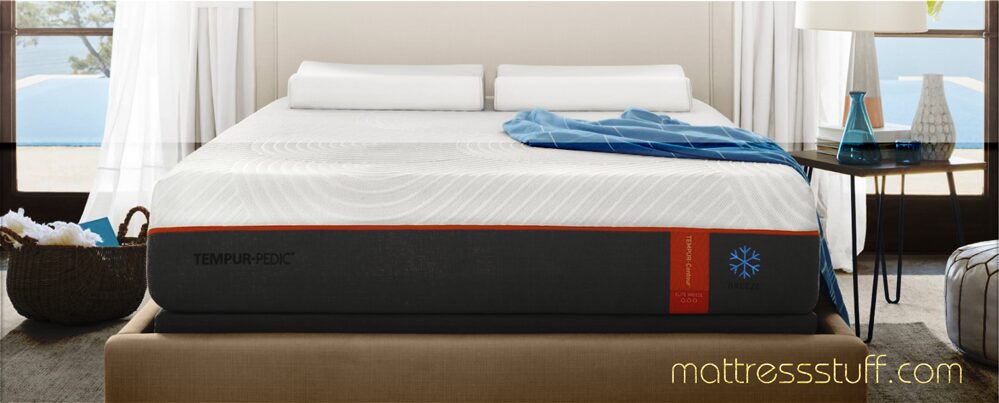
Latex, on the other hand, is a more breathable and resilient material that provides a bouncier feel. Latex mattresses often have a more natural and organic feel, making them a great choice for people with chemical sensitivities or allergies.
Support Layers: The Core of Stability
The support layer is the middle layer of a mattress and provides the foundation for the comfort layer. Its main function is to provide the necessary support and stability for the top comfort layer and the sleeper. The support layer is often made of high-density foam, coils, or a combination of both.
High-density foam is a popular choice for support layers as it is durable, dense, and provides a stable foundation for the mattress. Innerspring mattresses use coils, which provide a more responsive and supportive feel. They also help to increase the airflow throughout the mattress, which keeps the mattress cool and comfortable for the sleeper.
Base Layers: The Foundation of Durability
The bottommost layer of a mattress is known as the base layer. This layer provides the structural support for the entire mattress and helps to prevent sagging or bottoming out.
The materials used in the base layer can vary, but some of the most popular options include high-density polyfoam, innerspring coils, and air chambers.
High-density polyfoam is a popular choice for base layers because it is durable and provides a solid foundation. Innerspring coils are also a popular choice for base layers because they offer a traditional bouncy feel and excellent support.
Air chambers are a newer option that can be adjusted to change the firmness of the mattress, providing a high level of customization.
Conclusion:
When shopping for a new mattress, it’s important to take into consideration the materials used in each layer. Memory foam, for example, is known for its ability to conform to the shape of your body and provide pressure relief.
Latex, on the other hand, is known for its ability to provide excellent support and bounce. Innerspring coils, on the other hand, are known for providing excellent support and durability.
When shopping for a new mattress, it’s also important to consider your own personal preferences. If you’re a hot sleeper, for example, you may want to consider a mattress with cooling technology.
If you’re looking for a mattress that is eco-friendly, you may want to consider a latex or memory foam mattress.
Related: best mattresses of 2026
Related: top mattress brands compared
Related: mattress firmness guide
Related: innerspring vs hybrid vs memory foam
Related: organic vs regular mattress
Related: best cooling mattresses
Related: gel memory foam for hot sleepers
Related: hypoallergenic mattress options
Related: best hybrid mattress
Related: mattress in a box vs traditional
Related: best mattress toppers
Related: king vs queen mattress