Introduction:
- The Importance of Choosing the Right Mattress Firmness
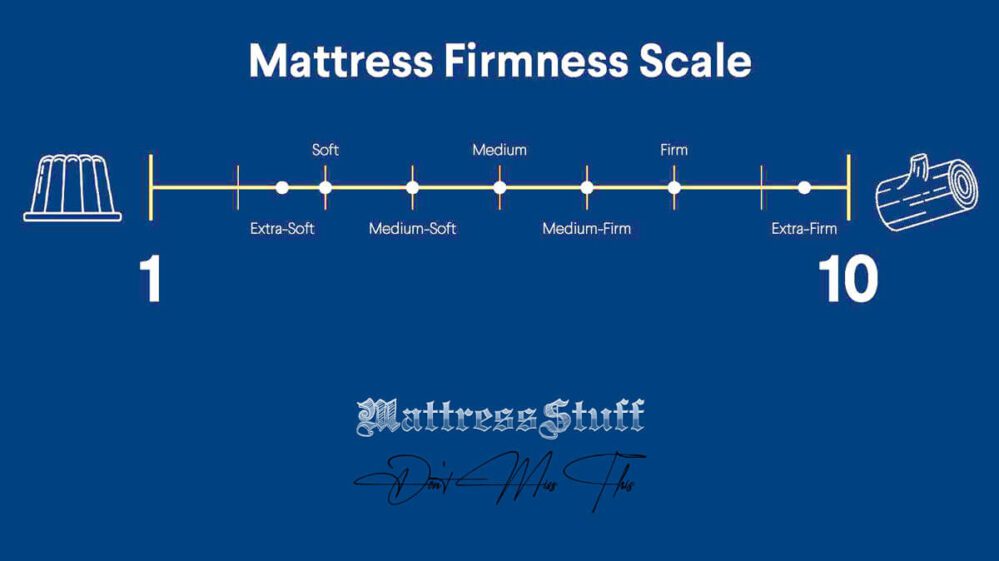
- Understanding the Firmness Scale:
- The Scale of 1-10
- Plush, Medium, and Firm Options
- Firmness Levels for Different Sleep Positions
- Determining Your Personal Preference:
- Sleeping Positions
- Body Type
- Health Conditions
- Personal Comfort
- Plush Mattresses:
- Soft and Conforming
- Ideal for side sleepers
- Recommended for individuals with chronic pain
- Medium Mattresses:
- Balanced Support and Comfort
- Ideal for back and stomach sleepers
- Recommended for average weight individuals
- Firm Mattresses:
- Extra Support and Durability
- Ideal for back and stomach sleepers
- Recommended for heavier individuals
- Adjustable Firmness:
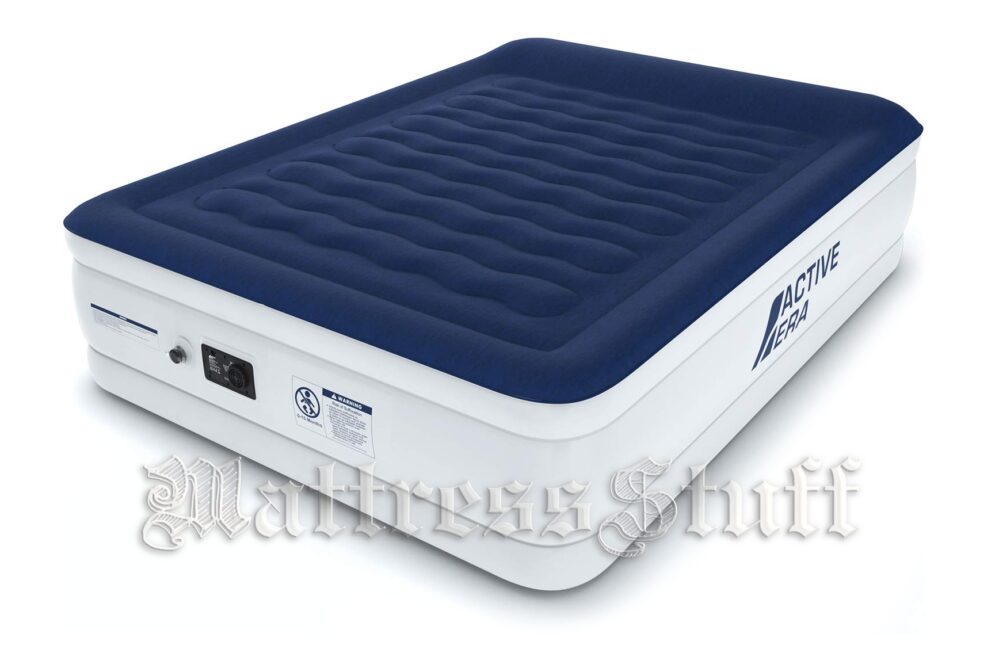
- Adjustable airbeds
- Dual-firmness options
- Adjustable firmness for couples
- Mattress Firmness and Durability:
- How firmness affects the lifespan of a mattress
- How to maintain the firmness of your mattress
- Mattress Firmness and Motion Isolation:
- How firmness affects motion isolation
- Motion isolation for different firmness levels
- Mattress Firmness and Edge Support:
- How firmness affects edge support
- Edge support for different firmness levels
- Mattress Firmness and Breathability:
- How firmness affects breathability
- Breathability for different firmness levels
Conclusion:
Related: best mattresses of 2026
Related: top mattress brands compared
Related: mattress firmness guide
Related: best pillows for side sleepers
Related: best adjustable bed frames
Related: cooling vs regular pillow
Related: best cooling mattresses
Related: king vs queen mattress
- Putting it All Together: Making Your Decision
- A Sound Night’s Sleep Awaits. See our best mattresses for couples. See our best mattresses for side sleepers.
How to Test Mattress Firmness Before You Buy
Testing mattress firmness goes beyond simply pressing your hand into the surface. The most effective way to evaluate firmness is to lie in your natural sleeping position for at least 10-15 minutes. Pay attention to how your spine aligns — a properly firm mattress should keep your spine in a neutral position without creating pressure points at your hips or shoulders. Many mattress showrooms now encourage extended testing, and online mattress companies offer sleep trials ranging from 90 to 365 nights so you can truly experience the firmness level in your own home.
Firmness and Body Weight Considerations
Your body weight plays a significant role in how you perceive mattress firmness. A mattress rated as medium-firm may feel quite soft to a heavier individual (over 230 lbs) while feeling overly firm to a lighter sleeper (under 130 lbs). As a general guideline, heavier sleepers typically benefit from firmer mattresses (7-8 on the firmness scale) to prevent excessive sinking, while lighter sleepers often prefer softer options (4-5) that allow enough contouring for pressure relief. Couples with different body weights might consider a split-firmness option or a medium-firm mattress that offers a balanced compromise for both partners.
Can Mattress Firmness Change Over Time?
Yes, mattress firmness naturally changes as the materials break in and age. Most new mattresses go through a break-in period of 30-60 days during which they may soften slightly from their initial firmness level. Over the years, foam layers can lose their resilience, and spring systems may weaken, causing the mattress to feel softer than when first purchased. If your mattress has become too soft, a firm mattress topper can restore some of the lost support, but if the core support system has deteriorated, it may be time for a replacement — most mattresses maintain their optimal firmness for 7-10 years with proper care.