Table of Contents
Introduction:
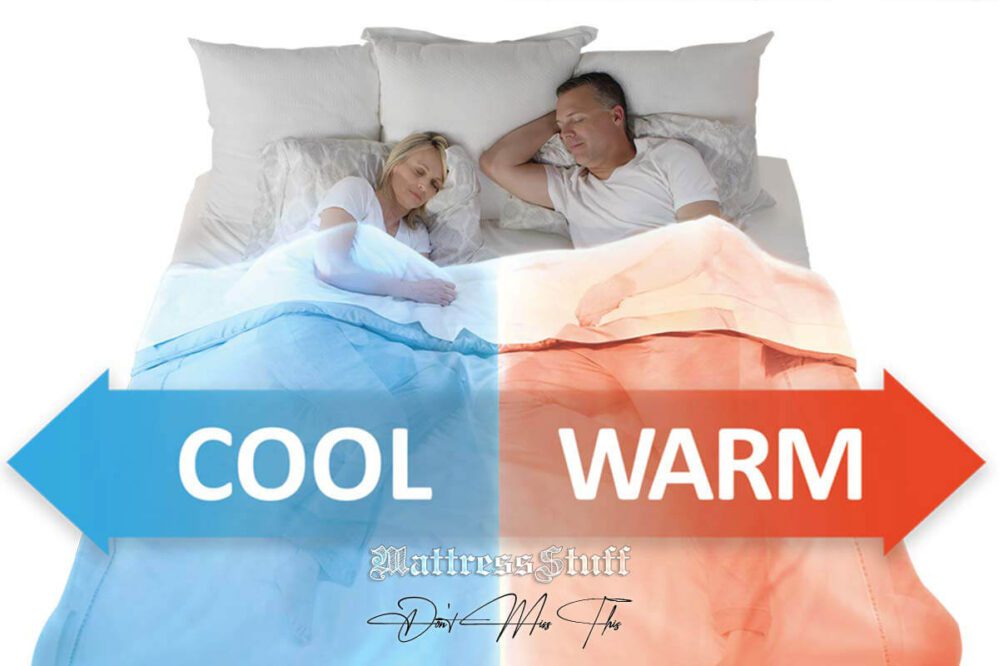
Are you constantly tossing and turning at night, trying to find the perfect temperature? Believe it or not, your mattress plays a significant role in regulating your body temperature during sleep.
In this guide, we’ll take a closer look at how different types of sleepers deal with temperature regulation, and explore the various cooling and heating technologies available in mattresses today.
1. Hot Sleepers
If you’re someone who frequently wakes up in the middle of the night drenched in sweat, you’re not alone. According to the National Sleep Foundation, around 45% of people experience night sweats at least a few times a month.
For hot sleepers, a mattress that promotes airflow and breathability is key. Memory foam and latex mattresses are known to trap heat, so a hybrid or innerspring mattress with a cool gel top layer may be a better option.
2. Cold Sleepers
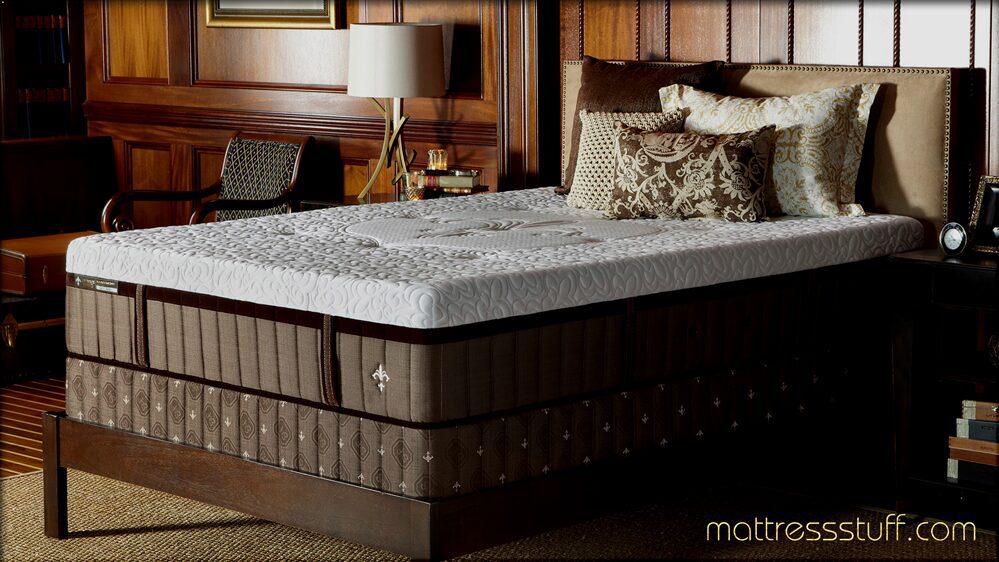
On the other hand, if you’re someone who can’t seem to get warm enough at night, a memory foam or latex mattress may be a better fit for you. See our memory foam vs latex topper. These materials conform to your body, creating a cozy, insulated sleeping environment. Additionally, a mattress with a quilted or tufted top can also help trap heat and keep you warm.
3. Temperature Neutral Sleepers
If you’re one of the lucky ones who doesn’t have a strong preference for hot or cold, then any type of mattress can work for you. However, it’s still important to consider the temperature regulating properties of a mattress, as you never know when your preferences may change.
4. Cooling and heating technologies
In addition to choosing the right type of mattress, there are also a variety of cooling and heating technologies available to help regulate your body temperature during sleep.
Adjustable airbeds allow you to adjust the firmness and support of your mattress, and some even have built-in temperature control. Cooling gel top layers, phase change materials, and even advanced fiberfill can also help regulate body temperature.
Conclusion:
Ultimately, the key to finding the perfect mattress for your sleeping temperature needs is to do your research and experiment with different options.
By understanding your own temperature preferences and exploring the various cooling and heating technologies available, you can finally say goodbye to restless nights and hello to a comfortable, rejuvenating sleep.”
Related: best mattresses of 2026
Related: top mattress brands compared
Related: mattress firmness guide
Related: innerspring vs hybrid vs memory foam
Related: organic vs regular mattress
Related: best hybrid mattress for side sleepers
Related: mattress in a box vs traditional
Related: best cooling mattresses
Related: gel memory foam for hot sleepers
Related: best adjustable bed frames
Related: mattress sizes guide
Related: king vs queen mattress
Related: best mattresses for side sleepers
Related: best mattress toppers
Advanced Cooling Technologies in Modern Mattresses
The mattress industry has developed numerous technologies to address the common complaint of sleeping hot, and understanding these innovations helps you choose the most effective solution for your needs. Phase-change materials (PCM) absorb and release heat to maintain a consistent surface temperature, actively responding to your body heat rather than simply allowing it to pass through. Gel-infused memory foam distributes heat more efficiently than traditional memory foam, though its cooling effect may diminish over the first few years as the gel settles. Copper and graphite infusions enhance thermal conductivity, drawing heat away from the body and dissipating it throughout the mattress layer. Open-cell foam structures improve airflow compared to traditional closed-cell foams, reducing the heat-trapping effect that makes many foam mattresses sleep warm.
Creating an Optimal Sleep Temperature Environment
While your mattress plays a major role in sleep temperature, the complete sleep environment matters equally. Breathable bedding materials such as Tencel, bamboo-derived rayon, or percale cotton sheets complement a cooling mattress by wicking moisture and allowing airflow close to the skin. Adjustable bed bases with USB-powered fans or built-in climate control systems are emerging as premium solutions for temperature regulation. Room temperature itself is a critical factor — sleep scientists generally recommend keeping the bedroom between 60-67°F (15-19°C) for optimal sleep quality. Combining a breathable mattress with appropriate bedding and room temperature control creates a comprehensive cooling system that addresses heat from multiple angles, significantly improving sleep quality for hot sleepers.