Table of Contents
Most people don’t realize that Nectar and DreamCloud are made by the same parent company — Resident Home. When you’re comparing these two brands, you’re not evaluating competing manufacturers. You’re choosing between two products from the same factory, designed to occupy different price tiers in the same portfolio. This changes the comparison entirely: the question isn’t “which brand is better?” but “does the upgrade between tiers justify the price difference?”
This guide strips away the brand marketing to reveal what actually differs between these sibling mattresses, where the DreamCloud’s premium construction genuinely matters, and where the Nectar delivers identical sleep quality at $400-$600 less.
Side-by-Side Specs Comparison
| Feature | Nectar Original | DreamCloud Original |
|---|---|---|
| Price (Queen) | $699 | $1,098 |
| Type | All memory foam | Hybrid (foam + coils) |
| Height | 12″ | 14″ |
| Comfort Layers | 3″ gel memory foam + 2″ transition foam | Quilted cashmere-blend Euro top + gel memory foam + transition foam |
| Support Core | 7″ high-density polyfoam base | 8″ individually wrapped coils |
| Firmness | Medium-firm (6.5/10) | Medium-firm (6.5/10) |
| Cooling | Gel-infused foam + breathable cover | Gel foam + coil airflow + cashmere-blend cover |
| Edge Support | Below average (all-foam limitation) | Good (coil + foam encasement) |
| Motion Isolation | Excellent | Good |
| Trial / Warranty | 365 nights / Lifetime | 365 nights / Lifetime |
| Weight (Queen) | ~50 lbs | ~80 lbs |
The firmness rating is intentionally identical — Resident Home positioned both mattresses at the same 6. See our mattress firmness guide.5/10 medium-firm to serve the broadest possible audience. The difference is how that firmness is achieved: the Nectar through foam density alone, the DreamCloud through a combination of foam layers and coil response.
The Real Difference: Foam vs Hybrid Construction
Strip away the brand names and this is fundamentally a comparison between an all-foam mattress and a hybrid mattress at different price points. Every performance difference between the Nectar and DreamCloud traces back to this construction distinction.
How the Nectar Delivers Comfort
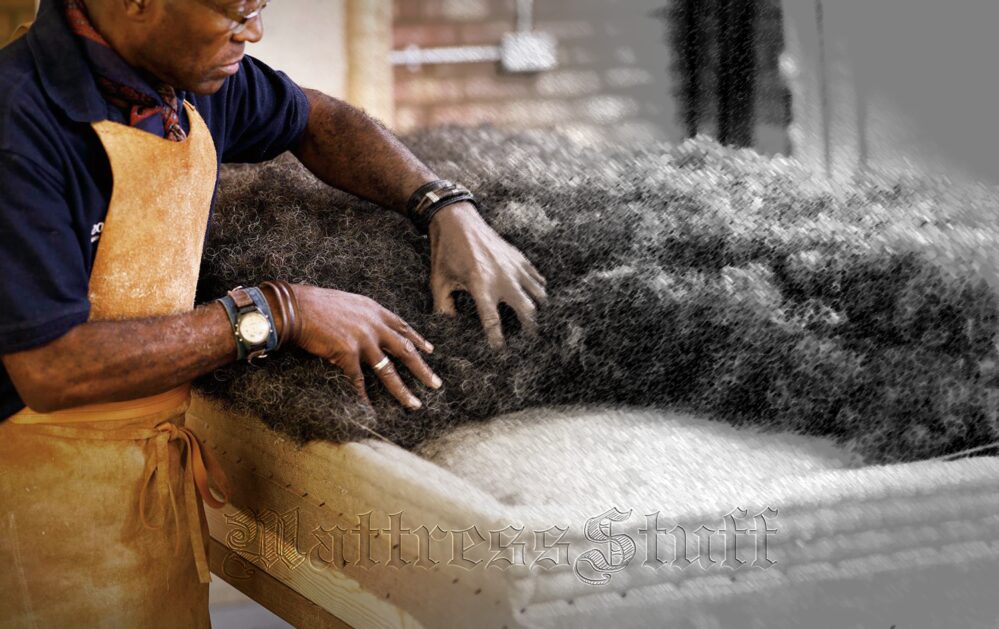
The Nectar stacks three foam layers: a gel-infused memory foam comfort layer for contouring, a transition foam layer that prevents you from sinking through to the base, and a high-density polyfoam base that provides structural support. Memory foam’s strength is body-conforming pressure relief — it molds around your shoulders, hips, and curves in a way that reduces pressure points better than most alternatives at any price. The trade-off is that all-foam construction traps more heat and provides weaker edge support than coil-based designs.
How the DreamCloud Differs
The DreamCloud replaces the Nectar’s polyfoam base with 8 inches of individually wrapped coils, adds a quilted cashmere-blend Euro top, and maintains similar gel memory foam comfort layers above the coils. The coil base fundamentally changes three things: airflow (coils create natural ventilation), edge support (coils resist compression at the perimeter), and responsiveness (coils push back faster than foam, making repositioning easier).
The cashmere-blend Euro top is worth addressing directly: it adds luxury feel at the surface but doesn’t dramatically affect sleep comfort compared to the Nectar’s quilted cover. Cashmere blend provides marginal moisture-wicking and temperature-neutral properties, but in practice, both mattresses feel similarly comfortable on the surface. The real functional differences live deeper — in the coil-vs-foam support system.
Performance Comparison by Dimension
Pressure Relief
The Nectar wins, narrowly. All-foam construction conforms more completely than hybrid designs because there’s no transition to a mechanical coil system underneath. Memory foam distributes weight across a wider surface area, reducing peak pressure at shoulders and hips. The DreamCloud’s foam comfort layers provide good pressure relief, but the coils below create slightly more pushback that can register at bony contact points — noticeable primarily for side sleepers under 150 lbs.
Temperature Regulation
The DreamCloud wins, clearly. Its coil base creates natural convection channels that pull body heat downward and away from your sleeping surface. The Nectar’s polyfoam base is a thermal insulator — it absorbs and retains heat rather than dissipating it. Both use gel-infused foam at the surface, but gel alone can’t overcome the fundamental heat-trapping nature of an all-foam mattress. For hot sleepers choosing between these two, the DreamCloud’s hybrid construction provides a meaningful temperature advantage. Our cooling mattress guide explains why construction type matters more than surface cooling treatments.
Edge Support
The DreamCloud wins decisively. Its coil system provides structural resistance at the mattress perimeter that the Nectar’s foam simply can’t match. Sitting on the edge of the DreamCloud feels supported; sitting on the edge of the Nectar feels like sliding off. For couples using the full mattress surface, this translates to 3-4 extra inches of usable sleeping area. The couples guide discusses why edge support affects shared-bed comfort.
Motion Isolation
The Nectar wins. Dense memory foam absorbs vibration before it can travel across the mattress surface. The DreamCloud’s individually wrapped coils isolate motion better than connected coil systems, but they still transfer more vibration than solid foam. For couples where one partner tosses frequently, the Nectar provides noticeably better isolation — your partner’s midnight repositioning is less likely to wake you.
Responsiveness and Repositioning
The DreamCloud wins. Coils respond instantly to pressure changes — roll from your side to your back, and the coils adjust within a fraction of a second. Memory foam responds to heat and pressure with a delay, creating the “stuck in the mattress” feeling that some sleepers find uncomfortable. Combination sleepers who change positions multiple times per night generally prefer the DreamCloud’s responsiveness. If you sleep in one position all night, this advantage is irrelevant.
Value Analysis: Where the $399 Goes
The DreamCloud costs $399 more for a queen. That premium buys you coil construction (better airflow, edge support, responsiveness), a cashmere-blend Euro top (marginally nicer surface feel), and 2 extra inches of height. It does not buy you better pressure relief, better motion isolation, or a longer warranty — those metrics favor the Nectar or tie.
For perspective: $399 is the cost of a quality mattress topper, a pillow set, and a mattress protector combined. If the Nectar meets your comfort needs, that $399 saved can upgrade every other element of your sleep setup. If the Nectar’s heat retention or edge support limitations would compromise your sleep, the DreamCloud’s premium is well justified.
The parent company connection means warranty service, trial logistics, and customer service quality are identical regardless of which brand you choose. You’re not choosing between different companies — you’re choosing between different products from the same company. Our budget brand comparison puts Nectar alongside Casper and Tuft & Needle to show where it ranks in the broader value segment.
Scenario Verdicts
- You’re a side sleeper who prioritizes pressure relief above all else
- Motion isolation is critical (light sleeper with a restless partner)
- Your budget ceiling is $700 and you want the most comfort per dollar
- You sleep in a temperature-controlled room (AC or bedroom below 72°F)
- You sleep in one position and don’t need responsive repositioning
- You sleep hot and need coil-based airflow to manage temperature
- Edge support matters — you sit on the bed edge or share with a partner
- You’re a combination sleeper who changes positions during the night
- You want the “hotel bed” feel of a pillow-top hybrid
- Your budget accommodates the $1,098 price point comfortably
- You’re a strict stomach sleeper who needs firm support — both sit at 6.5/10, below the 7+ recommended for prone sleeping. See our firm mattress guide for stomach sleepers
- You weigh over 300 lbs — neither provides adequate deep support for heavier body types
- You want a latex or innerspring feel — both lean toward the conforming memory foam experience
What Most People Get Wrong
The biggest misconception is treating DreamCloud as a different “tier of quality” from Nectar. Same parent company, same factory, same customer service team. The DreamCloud uses coils where the Nectar uses foam — that’s a construction choice, not a quality hierarchy. Buying the DreamCloud “because it’s the premium option” without needing what hybrid construction provides is overspending on a label.
The second mistake is assuming the 365-night trial eliminates decision risk. While the generous trial period lets you test either mattress at length, returns require mattress pickup coordination, and the process takes 2-3 weeks. Choosing correctly the first time avoids the hassle entirely. Before you buy any mattress online, narrow your construction preference (foam vs hybrid) first, then choose the brand — our foam vs hybrid comparison covers the fundamental differences.
The counterintuitive insight: the DreamCloud’s biggest advantage over the Nectar — airflow from coils — can be partially replicated by placing the Nectar on a slatted bed frame rather than a solid platform. Slats allow air to circulate beneath the foam base, reducing (though not eliminating) the heat retention disadvantage. If you own a slatted frame, the Nectar’s temperature gap with the DreamCloud narrows significantly. The online vs showroom guide covers practical factors that affect your buying decision. See our mattress buying guide.
How They Compare to External Competitors
At $699, the Nectar competes with the Lucid 12″ Memory Foam ($399), Tuft & Needle Original ($595), and Siena Memory Foam ($499). The Nectar’s 365-night trial and lifetime warranty outclass the competition at this price point — no other sub-$700 mattress offers comparable terms. Construction quality is competitive, with the Nectar’s gel memory foam performing similarly to alternatives in its class.
At $1,098, the DreamCloud faces stiffer competition: the Brooklyn Bedding Signature ($999), Helix Midnight ($1,061), and WinkBed ($1,149) all deliver hybrid construction at comparable prices with different comfort profiles. See our Helix Midnight vs Luxe comparison. The DreamCloud’s cashmere-blend cover and slightly plushier feel differentiate it, but the Brooklyn Bedding and WinkBed offer more firmness options. For the full competitive landscape, our brand comparison guide ranks every major manufacturer.
FAQ
Since Nectar and DreamCloud are the same company, do they use the same foam?
The comfort-layer foam formulations are similar but not identical. DreamCloud uses a slightly higher-density gel memory foam in its comfort layer (approximately 3.5 lb/ft³ vs Nectar’s 3.0 lb/ft³), which contributes to marginally better durability over time. The quilted cashmere-blend Euro top is exclusive to DreamCloud. However, the core memory foam technology — gel infusion, CertiPUR-US certification, open-cell structure — comes from the same supply chain.
Which mattress lasts longer — the Nectar or DreamCloud?
The DreamCloud’s coil system provides a structural advantage in longevity. While the foam comfort layers in both mattresses soften at similar rates, the DreamCloud’s coils maintain support underneath as the foam ages — the Nectar’s polyfoam base compresses alongside the comfort layers. Expect the Nectar to reach replacement point around years 6-8 and the DreamCloud around years 8-10, though individual results vary based on body weight and usage.
Can I use a Nectar on an adjustable bed frame?
Yes — all-foam mattresses are generally more flexible than hybrids on adjustable frames because foam bends without mechanical resistance. The DreamCloud also works on adjustable frames, but its coil system creates slightly more resistance during articulation. Both brands confirm compatibility with adjustable bed frames — just verify your frame’s weight capacity can handle the DreamCloud’s heavier 80-lb profile.
Is the DreamCloud’s cashmere cover worth the premium alone?
No. Cashmere-blend covers (typically 5-15% cashmere mixed with polyester) provide mild moisture-wicking and a softer hand feel compared to the Nectar’s polyester-blend cover, but the functional difference in sleep comfort is minimal. Both covers are removable and machine-washable. If the cashmere cover is your primary reason for choosing the DreamCloud, you’d get better value buying the Nectar and investing in premium sheets that actually contact your skin.
What’s the return process like if I try one and want to switch to the other?
Both brands process returns through the same parent company (Resident Home). You contact customer service, schedule a pickup (donated to charity in most areas), and receive a full refund within 5-10 business days. You can then order the other brand immediately. The process takes 2-3 weeks total. Note: you cannot “exchange” directly between brands — it’s a return on one and a new purchase on the other, which means a period without a mattress unless you time the orders carefully.
Would I be better off buying the Nectar Premier instead of the base DreamCloud?
The Nectar Premier ($849 queen) adds a cooling cover and thicker comfort layers to the Nectar platform — it’s Resident Home’s mid-tier all-foam option positioned between the Nectar Original and DreamCloud. If you want better cooling than the Nectar Original but don’t need the DreamCloud’s coil construction, the Nectar Premier is a smart compromise. However, the Premier still lacks coil airflow and edge support, so hot sleepers and couples who need edge support are still better served by the DreamCloud.
Final Verdict
The Nectar Original is the smarter buy for most shoppers because it delivers excellent memory foam comfort with industry-leading trial and warranty terms at $399 less than the DreamCloud. For side sleepers, light sleepers, and anyone in a temperature-controlled bedroom, the Nectar provides everything the DreamCloud does in comfort — minus the coil-based advantages that only matter for specific sleep profiles.
The DreamCloud earns its premium for three specific audiences: hot sleepers who need airflow through coil construction, couples who need reliable edge support, and combination sleepers who need responsive repositioning. If any of these describe you, the $399 upgrade solves a real problem. If none of them do, save the money — you’re paying for construction differences you won’t notice.
Related: Purple vs Casper comparison
Related: Saatva Classic vs HD comparison
Related: Sleep Number i8 vs iLE comparison
Related: best mattresses for back pain