Related: top mattress brands compared
Related: innerspring vs hybrid vs memory foam
Related: memory foam vs latex topper
Related: organic vs regular mattress
Related: best hybrid mattress for side sleepers
Related: mattress in a box vs traditional
Related: best cooling mattresses
Related: gel memory foam for hot sleepers
Related: best mattresses for side sleepers
Related: best pillows for side sleepers
Related: hypoallergenic mattress options
Related: best mattress toppers
Related: cooling vs regular pillow
Related: king vs queen mattress
rong>Introduction:
- The Importance of Choosing the Right Mattress Material
- Traditional Innerspring Mattresses:
- Coils and Support
- Pros and Cons
- Ideal for back and stomach sleepers
- Memory Foam Mattresses:
- Body-conforming and Pressure relief
- Pros and Cons
- Ideal for side sleepers and individuals with chronic pain
- Latex Mattresses:
- Natural and Responsive
- Pros and Cons
- Ideal for eco-conscious individuals and those with allergies
- Hybrid Mattresses:
- Combination of coils and foam
- Pros and Cons
- Ideal for those seeking the best of both worlds
- Considerations for Allergies and Sensitivities:
- Natural materials and certifications
- Hypoallergenic options
- Mattress encasements
- Natural vs Synthetic materials:
- Pros and cons of natural materials
- Pros and cons of synthetic materials
- Durability and lifespan of each
- Mattress Materials and Support:
- The role of mattress materials in support
- Support for different materials
- Mattress materials and spinal alignment
- Mattress Materials and Comfort:
- The role of mattress materials in comfort
- Comfort for different materials
- Mattress materials and pressure relief
- Mattress Materials and Temperature:
- The role of mattress materials in temperature regulation
- Temperature regulation for different materials
- Mattress materials and cooling technologies
- Mattress Materials and Care:
- The role of mattress materials in care and maintenance
- Care and maintenance for different materials
- Mattress materials and lifespan
Conclusion:
- Putting it All Together: Making Your Decision
- A Sound Night’s Sleep Awaits.
Comparing Mattress Materials: Durability and Performance
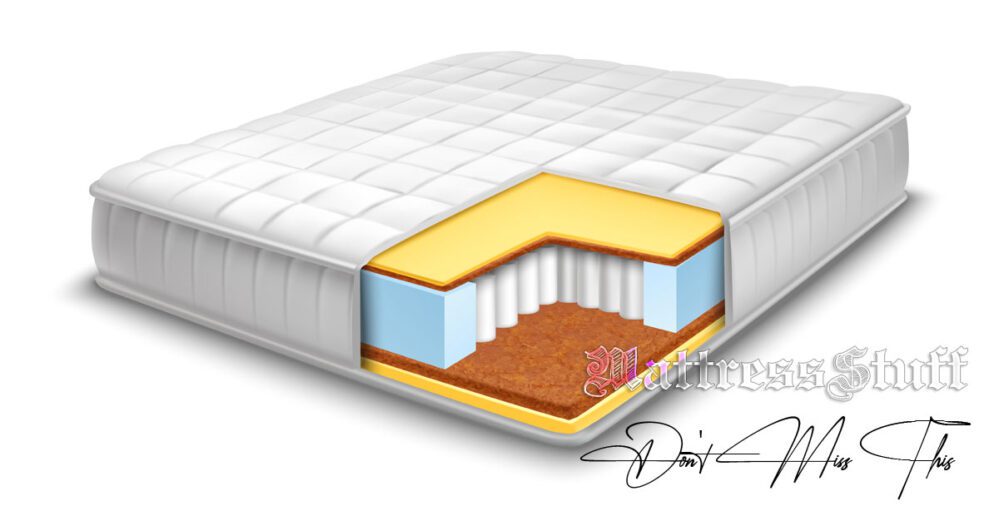
Each mattress material offers distinct advantages and potential drawbacks that affect long-term comfort and value. Memory foam, known for its pressure-relieving contouring, typically lasts 8-10 years but can develop permanent body impressions over time, especially in lower-density foams (under 4 lbs/ft³). Natural latex is among the most durable mattress materials, with quality Talalay or Dunlop latex cores maintaining their supportive properties for 12-15 years or more. Innerspring systems vary widely — Bonnell coils and continuous wire coils tend to wear faster than individually pocketed coils, which can maintain their responsiveness for a decade or longer. Hybrid mattresses that combine these materials aim to balance durability across their different layers.
Material Safety and Certifications to Look For
Understanding mattress material safety is increasingly important to health-conscious consumers. Polyurethane foams may contain volatile organic compounds (VOCs) that off-gas after unboxing, though CertiPUR-US certified foams must meet standards for low emissions and restricted chemical content. Natural and organic materials like GOTS-certified organic cotton, organic wool, and natural latex offer minimal chemical exposure but come at a premium price. Fiberglass fire barriers, used in some budget mattresses, can pose health and cleanup concerns if the cover is removed — look for brands that use alternative fire-resistant materials such as wool, silica-treated rayon, or Kevlar. When in doubt, check for certifications like OEKO-TEX, GREENGUARD Gold, or GOLS that verify material safety through independent testing.
How Material Choices Affect Sleep Temperature
Material composition is the primary factor in how hot or cool a mattress sleeps. Traditional memory foam is notorious for heat retention because its dense cell structure traps body heat and restricts airflow. Gel-infused, copper-infused, and open-cell memory foams address this somewhat, though they rarely match the breathability of other materials. Natural latex sleeps cooler than memory foam thanks to its naturally porous structure and pin-hole design that promotes air circulation. Innerspring and hybrid mattresses with coil cores tend to sleep the coolest because air flows freely through the coil layer. For those who sleep hot, prioritizing mattresses with breathable covers (like Tencel or organic cotton), ventilated foam layers, and coil-based support systems can significantly improve temperature regulation throughout the night.