Every mattress material has strengths, but memory foam offers specific advantages that are physically impossible for innerspring, latex, or hybrid designs to replicate. These five unique properties explain why memory foam remains the most popular mattress material despite growing competition from newer technologies.
Memory foam mattresses are certainly unique when compared to just about any other type. Because of this, some people are really turned off by the differences, while others find them very appealing.
When you read product description for a given mattress, most of it typically describes just how beneficial memory foam is. See our memory foam vs latex topper. Some brands will even go as far as to say that their mattress, despite beings hundreds of dollars less, has the quality of a Tempur Pedic. See our top mattress brands review.
This certainly isn’t likely to be true, as Tempur Pedic mattresses are considered by most to be superior to any other models out there. The question is, what do we know for sure about memory foam that can help us get a better night’s sleep?
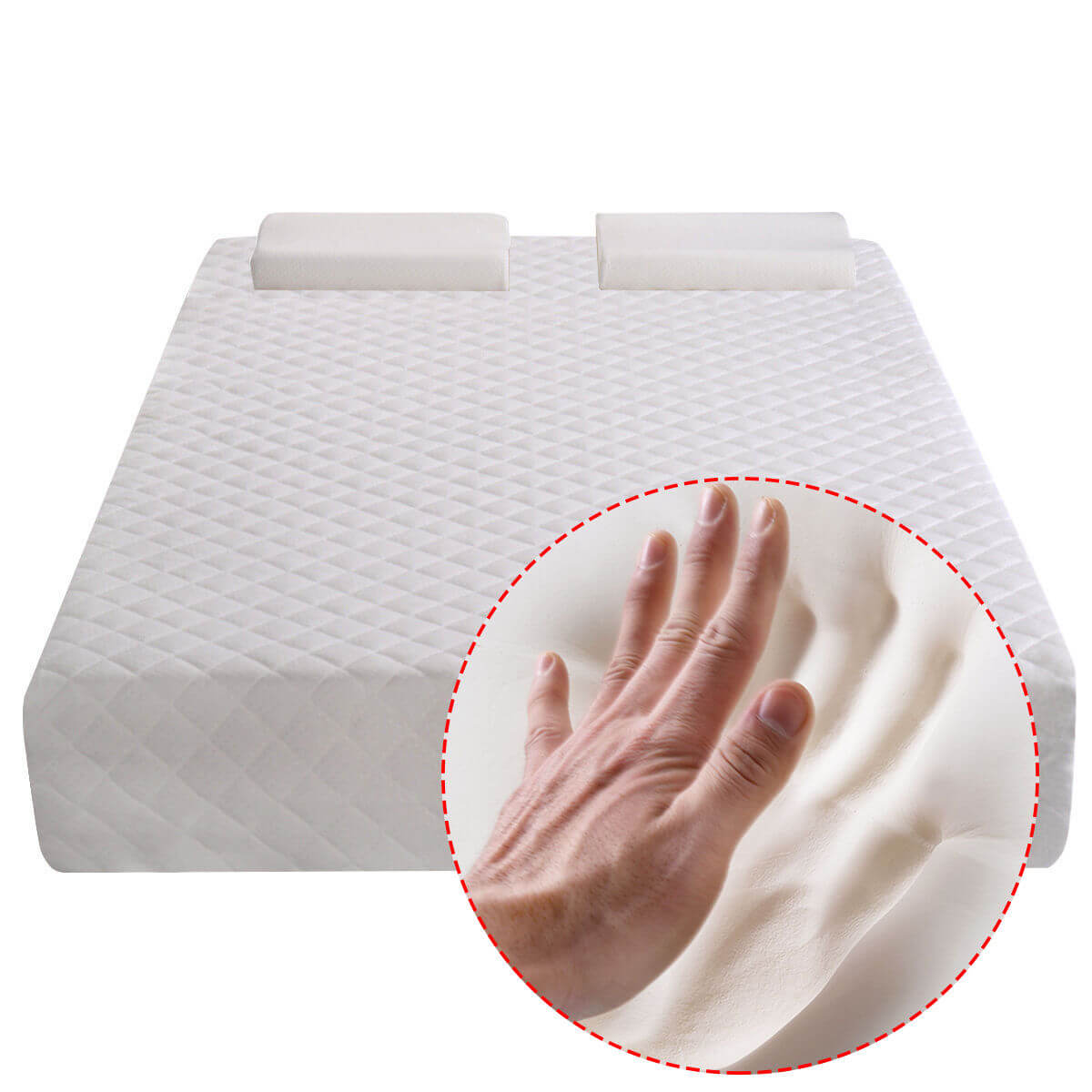
What we do know for sure is that it does reduce pressure points by conforming to the body. This is strictly unique to memory foam, there is no other material that can do this. This feature is possible because the open cells fully compress when you lie down on them, and the air pressure is released to other cells.
Therefore, we have air pressure that is distributed throughout the mattress. This is why you don’t feel as much pressure while lying down compared to an innerspring mattress. It also explains how memory foam can contour to the shape of your body.


Traditional mattresses tend to spring back when force is applied. This ultimately causes you to toss and turn throughout the night, particularly if you are a side sleeper. The mattress pressing up against you reduces blood circulation in those areas, and your body at some point tells you to turn so you can get full circulation.
Because memory foam sinks down instead of rebounding against your body, then blood can circulate freely as it normally would. The result is less tossing and turning throughout the night, more sleep, and feeling invigorated the following morning.
I have read a number of customer reviews where the person states that they pretty much stayed in the same position the entire night, even though they are siding sleepers.
Another memory foam mattress benefit is that it’s temperature sensitive. It becomes softer and conforms more when exposed to high temperatures, and gets more firm at low temperatures. This characteristic allows you to experience the feeling that you are melting into the mattress while sleeping, and the effect of it contours to your body.
Related: best mattresses of 2026
Related: innerspring vs hybrid vs memory foam
Related: best mattresses for side sleepers
Related: best pillows for side sleepers
Related: mattress sizes guide
Related: king vs queen mattress
Related: how to read reviews
Related: mattress in a box vs traditional
Related: best mattress toppers
The Evolution of Memory Foam Technology
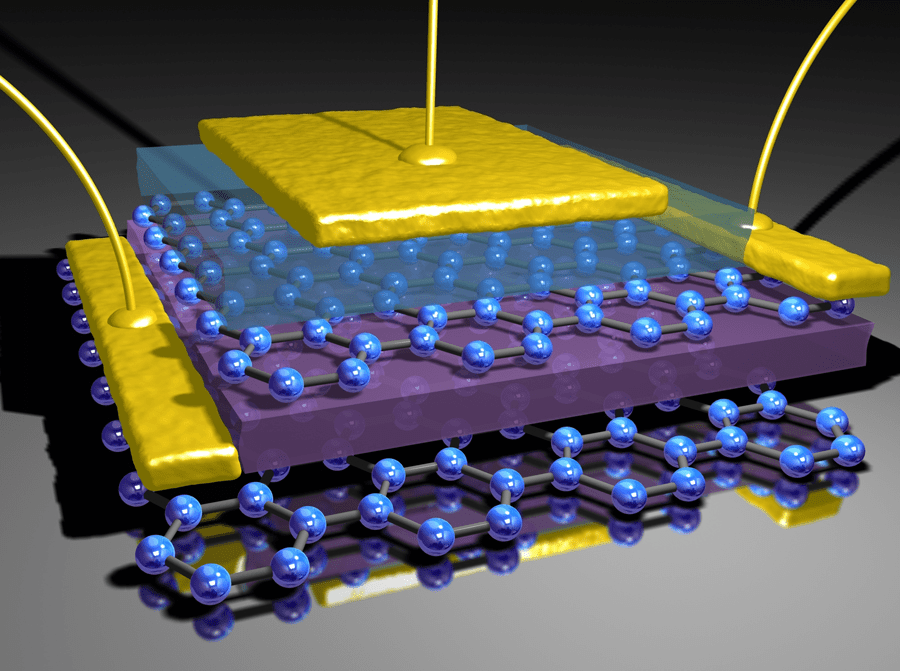
Memory foam has undergone significant advancements since its initial development by NASA in the 1960s and its first commercial mattress application in the 1990s. First-generation memory foam was dense, heat-retentive, and had a slow response time that some sleepers found uncomfortable. Modern memory foam addresses these limitations through innovative cell structures and material infusions: open-cell technology allows air to flow more freely through the foam, reducing heat buildup; gel infusions distribute temperature more evenly across the sleeping surface; and copper and graphite additives enhance thermal conductivity to draw heat away from the body.
Memory Foam Density and Quality
Density is the single most important specification for evaluating memory foam quality and predicting long-term performance. Budget foams in the 2.5-3.5 lb/ft³ range may initially feel comfortable but tend to develop permanent body impressions within 2-4 years as the low-density structure breaks down. Mid-range foams of 4-5 lb/ft³ offer substantially better longevity, maintaining their supportive and conforming properties for 7-10 years. Premium foams of 5-7 lb/ft³ provide the most durable and consistent experience but can also retain more body heat due to their denser cell structure. When comparing mattresses, always check the density specification for a reliable indicator of foam quality.