Table of Contents
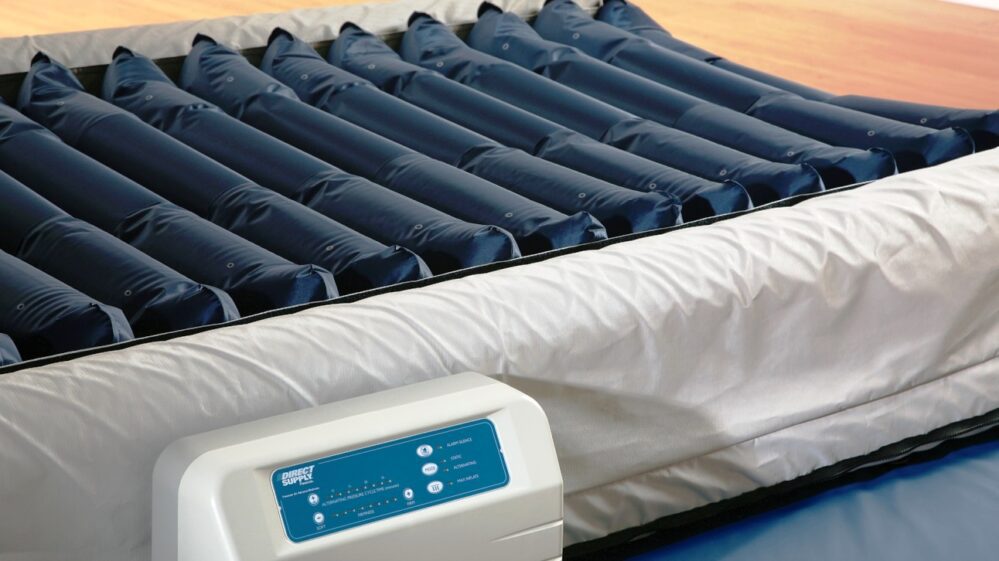
Medical air mattresses are designed to provide support and comfort for individuals who are bedridden or have mobility issues. They are made with a variety of materials that are specifically chosen to provide the best possible sleeping experience for patients. Here are some of the pros and cons of medical air mattresses, as well as the top sellers and their average prices:
-
“Pros of Medical Air Mattresses”
- Prevent and treat pressure ulcers by redistributing pressure and promoting circulation
- Adjustable to customize the level of support and comfort
- Easy to clean and maintain
- Can be used for long-term care or short-term recovery
-
“Cons of Medical Air Mattresses”
- Expensive, with prices ranging from $200 to $3000
- Require an external power source to inflate and maintain proper air pressure
- Need to be regularly checked and adjusted
- Not suitable for patients with certain medical conditions
-
“Top Sellers and Average Prices”
- Drive Medical: $200 to $500
- Alternating Pressure Mattress: $500 to $1000
- Medline: $500 to $1000
- Hill-Rom: $1000 to $3000
- Stryker: $1000 to $3000
-
“Conclusion”
In conclusion, medical air mattresses provide a number of benefits for patients who are bedridden or have mobility issues. They can prevent and treat pressure ulcers, and are adjustable to customize the level of support and comfort.
However, they can be expensive and require regular maintenance. When shopping for a medical air mattress, it is important to consider your individual needs and budget, and to research the top sellers and their average prices.
Additionally, it is important to check for certifications such as CertiPUR-US and OEKO-TEX, which ensure that the air mattress is made with high-quality materials and processed without the use of harmful chemicals.
Related: best mattresses of 2026
Related: top mattress brands compared
Related: best adjustable bed frames
Related: best budget mattress under $500
Related: how long a mattress lasts
Choosing the Right Air Mattress for Your Needs
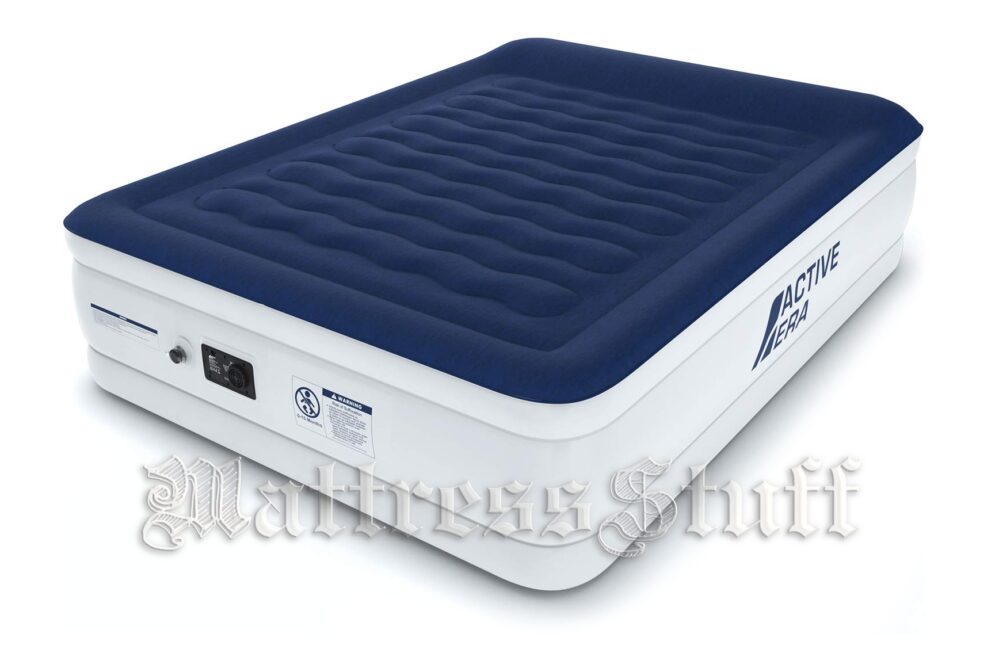
Air mattresses serve a wide range of purposes, from temporary guest sleeping solutions to long-term camping companions, and selecting the right one depends on understanding the key differences between available options. For indoor guest use, raised air mattresses (standing 18-22 inches high) with built-in electric pumps offer the most convenience and comfort, mimicking the height of a traditional bed and making it easier for guests to get in and out. Camping air mattresses prioritize portability and insulation, with self-inflating pads and insulated models providing warmth in cold conditions. For extended use, look for mattresses with reinforced seams, puncture-resistant materials, and adjustable firmness chambers — these features add to the upfront cost but dramatically improve durability and sleep quality over time.
Maintaining Air Mattress Performance
Proper care and maintenance can extend the life of an air mattress from a few months to several years. Always inflate on a clean, debris-free surface, and consider placing a protective sheet or tarp underneath to prevent punctures from sharp objects or rough flooring. Avoid sitting on the edges, which places concentrated stress on seams and can cause premature failure. Temperature changes naturally affect air pressure — a mattress inflated in a warm room will lose firmness as temperatures drop overnight, so slight re-inflation before sleep may be needed. Store your air mattress loosely rolled or folded in a cool, dry place, as tight compression over extended periods can weaken the material and valve seals.