NASA Technology at Work in Foam Memory Pillows
More than three decades ago, the material was created by NASA which was made from synthetic polyurethane. This material was later made use of in the manufacture of foam memory pillows.
Of great help to astronauts. Astronauts are confronted with something known as G-forces. These forces result in bringing tremendous extra pressure loads on the body. NASA engineers were constantly on the lookout for a material that would help and support astronauts with regards to these G-forces. And in this newly found material, they discovered just what they had been looking for.
The turn of the consumer. It was 20 years after the discovery of this material, that it was used for commercial applications. And so came about the likes of foam products such as mattresses, pillows and mattress toppers.
All of these were developed with the main purpose of relieving pressure points and giving support to the body when the person is asleep.
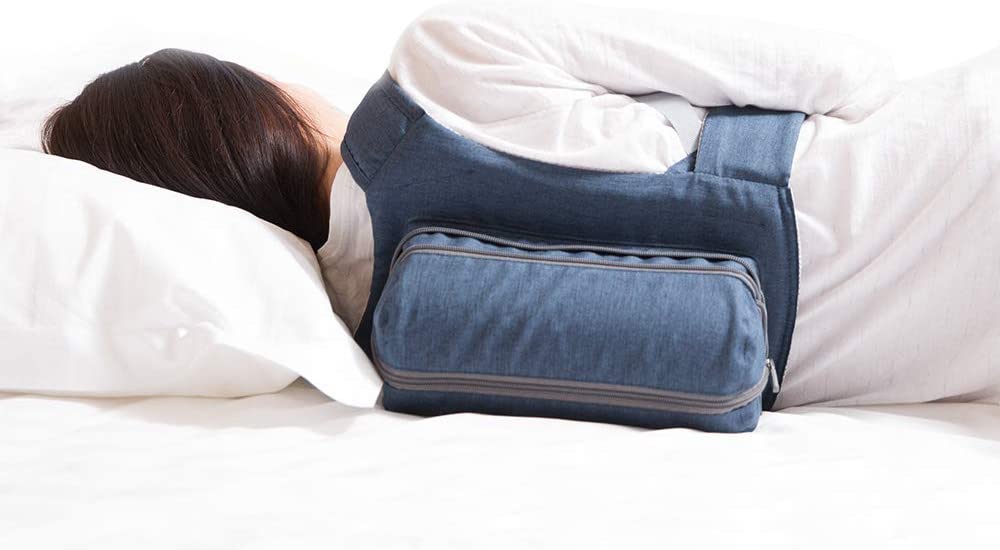
Normal pillows are just not good enough. The normal everyday pillow that is used by most people was proved to be not good enough and provided just minimal support and also it lost its shape as a result of a person tossing and turning about while sleeping. This was a kind of similar situation to that faced by astronauts who experienced the very same principles of pressure and conformity to their bodies.
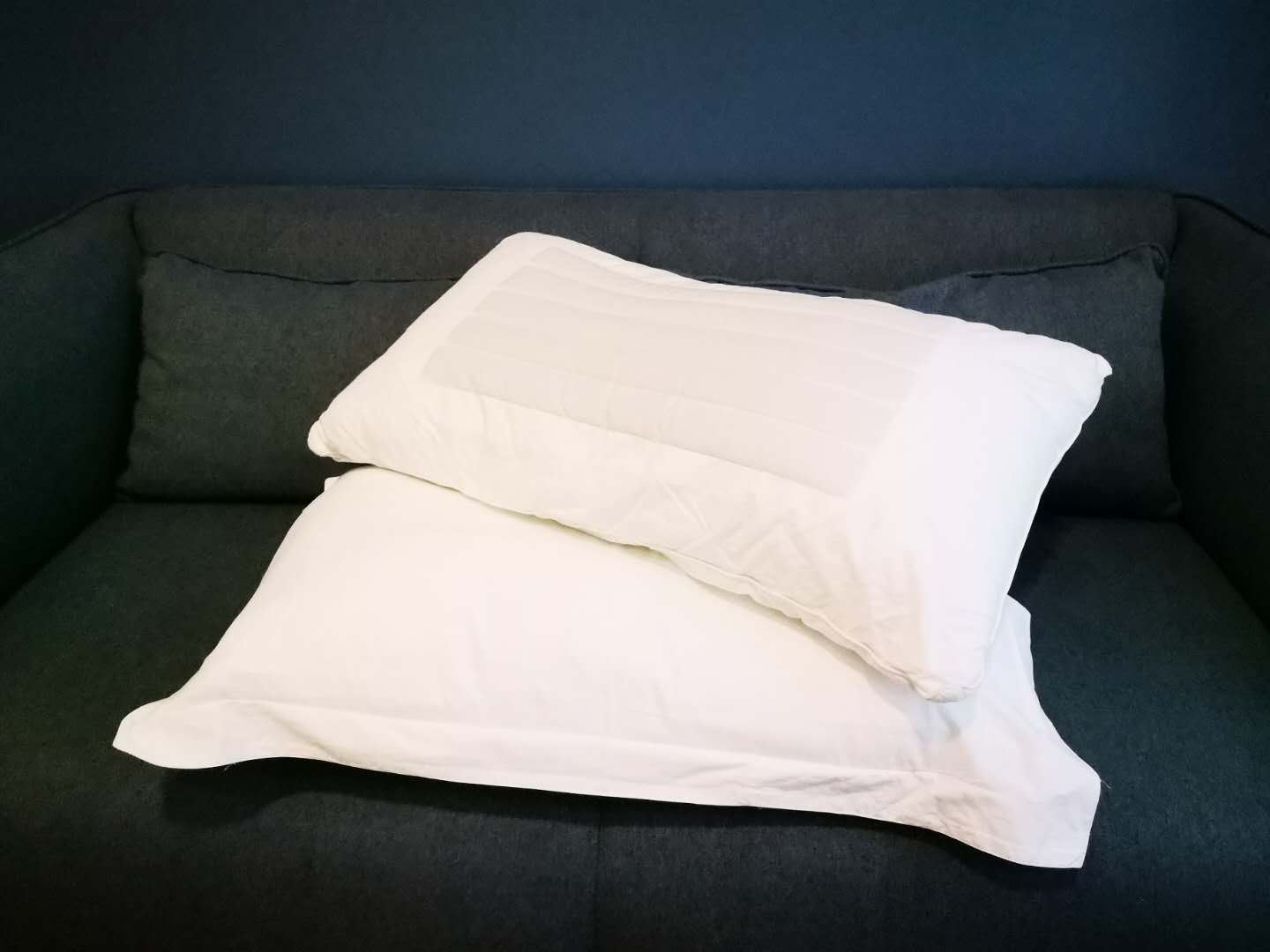
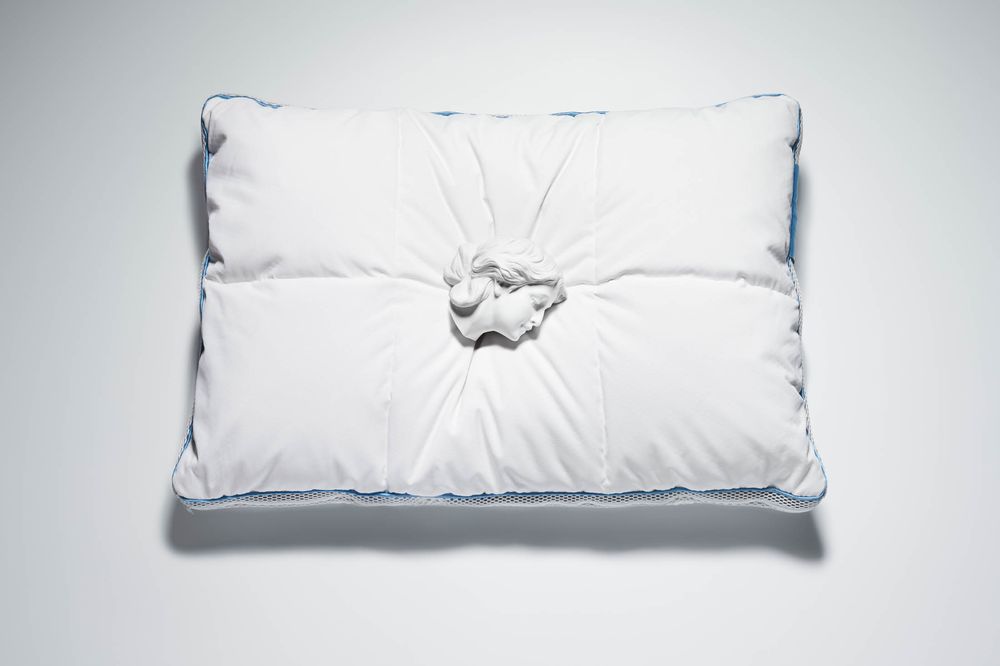
The solution was at hand. Thus was introduced the concept of memory foam pillows which proved to be absolutely terrific for restless sleepers. The special qualities that were inherent in the memory foam materials made way for the contours of the neck and head of a person lying on it, to be matched with that of the pillow.


Every movement of the person sleeping provides a fit to match to perfection – offering the maximum support and great sleep, as can only be seen in foam memory pillows!
Related: best mattresses of 2026
Related: top mattress brands compared
Related: best pillows for side sleepers
Related: cooling vs regular pillow
Related: innerspring vs hybrid vs memory foam
Related: memory foam vs latex topper
Related: how your mattress affects your body
Related: mattress in a box vs traditional
Related: best cooling mattresses
Related: best mattresses for side sleepers
Related: best mattress toppers
Related: mattress sizes guide
Choosing the Right Pillow for Your Sleep Style
Your pillow choice should complement your mattress and sleeping position to create a sleep system that keeps your spine in proper alignment from head to toe. Side sleepers generally need a thicker, firmer pillow (5-7 inches of loft) to fill the space between the shoulder and ear, keeping the neck and head aligned with the spine. Back sleepers typically perform best with a medium-loft pillow (3-5 inches) that supports the natural curve of the cervical spine without pushing the head too far forward. Stomach sleepers need the thinnest pillow possible (or no pillow at all) to prevent neck hyperextension that can lead to chronic pain and stiffness. If you change positions throughout the night, an adjustable-fill pillow that allows you to customize the loft offers the most versatile solution.
How Often Should You Replace Your Pillow?
Pillows accumulate dust mites, dead skin cells, body oils, and moisture over time, creating an increasingly unhygienic sleep surface that can exacerbate allergies and respiratory issues. Most sleep experts recommend replacing pillows every 1-3 years, depending on the fill material: synthetic fiber pillows have the shortest effective lifespan (12-18 months), down and feather pillows last 2-3 years with proper care, memory foam pillows maintain their properties for 2-3 years, and latex pillows can perform well for 3-4 years. A quick freshness test: if your pillow has a persistent odor even after washing, shows visible yellow staining that penetrates through the protector, or no longer springs back when folded in half, it is time for a replacement. Investing in a quality pillow protector and washing your pillowcase weekly can extend the useful life of any pillow by reducing the accumulation of contaminants that break down materials over time.