Table of Contents
Every weighted blanket guide on the internet repeats the same advice: “Choose a blanket that’s 10% of your body weight.” It’s become gospel—simple, clean, easy to remember. There’s just one problem: this rule was derived from pediatric occupational therapy protocols for children with sensory processing disorders and has never been validated in clinical studies for adult sleep improvement. The 10% rule is a starting point at best and counterproductive at worst, particularly for adults over 200 lbs or those using weighted blankets specifically for sleep onset rather than anxiety management.
Why the 10% Rule Oversimplifies Weight Selection
The 10% guideline originated from occupational therapy practices where therapists applied approximately 10% body weight pressure to calm children during sensory overload episodes. This therapeutic application—short-duration, supervised, focused on immediate calming—differs fundamentally from overnight sleep use. An adult sleeping under a weighted blanket experiences 7–8 hours of sustained pressure across their entire body, where the total weight distributes differently than a therapist-applied weighted vest or lap pad.
The practical ceiling matters too. A 250 lb person following the 10% rule would need a 25 lb blanket, which creates genuine challenges: it’s difficult to reposition during sleep, creates excessive pressure on the chest in supine position, and can exacerbate joint pain in side sleepers. Meanwhile, a 110 lb person would be directed toward an 11 lb blanket that most users in that weight range find too light for therapeutic benefit. The better approach is understanding the actual mechanisms behind weighted blanket benefits and matching weight to your specific goal.
How Weighted Blankets Actually Work
Weighted blankets produce therapeutic effects through deep pressure stimulation (DPS), which activates the parasympathetic nervous system—your body’s “rest and digest” mode. This pressure triggers increased serotonin and melatonin production while reducing cortisol levels, creating a physiological cascade that promotes relaxation and improved sleep quality. The effect is similar to being held or hugged, which explains why weighted blankets help with anxiety, insomnia, and restlessness.
The minimum effective pressure for DPS activation is approximately 1 lb per 10 square inches of body surface contact. Below this threshold, the brain doesn’t register sufficient pressure to trigger the parasympathetic response. Above 1.5 lbs per 10 square inches, pressure becomes uncomfortable and activates the sympathetic (stress) response instead. This physiological window—not a simple percentage of body weight—determines the optimal blanket weight for any individual.

Weight Recommendations by Body Type and Purpose
| Body Weight | Sleep Quality | Anxiety/Insomnia | Maximum Practical |
|---|---|---|---|
| Under 130 lbs | 10–12 lbs | 12–15 lbs | 15 lbs |
| 130–170 lbs | 12–15 lbs | 15–20 lbs | 20 lbs |
| 170–220 lbs | 15–20 lbs | 20–25 lbs | 25 lbs |
| 220+ lbs | 17–22 lbs | 22–25 lbs | 25 lbs |
Notice the weight ceiling: even for large adults, blankets above 25 lbs become counterproductive. The added weight doesn’t increase therapeutic benefit proportionally but does increase discomfort, restrict movement, and create laundry challenges (most home washing machines handle up to 20–25 lbs). This is the key insight the 10% rule misses—there’s a practical maximum that applies regardless of body weight.
Filling Materials: Glass Beads vs Plastic Pellets vs Steel Shot
Glass Micro-Beads (Recommended)
Glass beads measuring 1–2mm in diameter provide the densest, smoothest weight distribution available. Because they’re smaller and heavier than plastic alternatives, glass-bead blankets achieve the same weight in a thinner profile—typically 1–1.5 inches thick compared to 2–3 inches for plastic pellet blankets. This thinner profile improves breathability significantly, making glass-bead blankets the better choice for warm sleepers. Glass beads also produce less noise when the blanket shifts—an underrated comfort factor. Premium brands like Bearaby, Gravity, and top-rated weighted blankets use glass beads almost exclusively. Expect to pay $100–$250 for a queen glass-bead blanket.
Plastic Poly-Pellets
Plastic pellets (typically polyethylene or polypropylene) are the most common filling in budget weighted blankets under $80. They’re larger than glass beads (3–5mm), creating a chunkier, less uniform weight distribution. The main disadvantages are increased thickness, reduced breathability, and a rustling sound when the blanket moves. However, they’re hypoallergenic, machine-washable (plastic won’t rust or degrade), and significantly cheaper. For buyers testing whether a weighted blanket works for them before investing in a premium option, a $40–$70 plastic pellet blanket provides an adequate trial experience.
Steel Shot Beads
Steel shot provides the densest fill, creating ultra-thin weighted blankets. However, the material rusts if exposed to moisture (problematic for night sweats), concentrates weight into smaller areas creating pressure hotspots, and costs more than glass alternatives without meaningful performance advantage. Steel shot blankets also create a cold sensation initially and cannot be machine washed. This fill type is declining in popularity for good reason—glass beads achieve similar density without the drawbacks.
What Most People Get Wrong About Weighted Blanket Sizing
The counterintuitive truth: your weighted blanket should be smaller than your mattress, not larger. A weighted blanket sized to your bed (queen-size blanket on a queen bed) drapes over the edges, with gravity pulling weight off your body and onto the floor. This reduces effective pressure on your body while creating drag that makes the blanket slide off during the night. The ideal weighted blanket matches your body coverage area, not your bed size. For most adults, a 48″×72″ (roughly twin-size) weighted blanket provides full body coverage for one person regardless of mattress size. Couples should use two individual weighted blankets rather than one oversized one—the combined weight of a queen-size weighted blanket becomes impractical (30–40 lbs), and individual preferences almost always differ.
Temperature Management: The Weighted Blanket Challenge
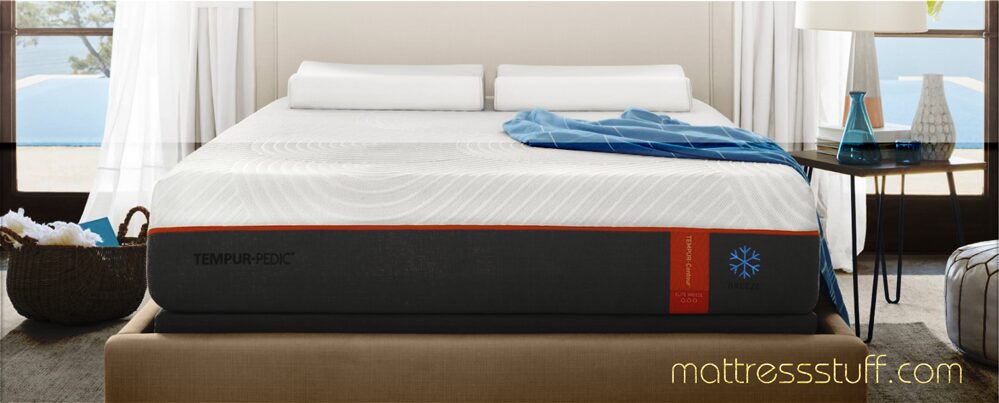
Weighted blankets trap more body heat than standard comforters due to their density and reduced airflow through heavy fill material. For warm sleepers, this creates a genuine dilemma: the calming pressure benefits require the weight, but the resulting heat disrupts the very sleep the blanket is supposed to improve. Solutions include using a cooling mattress to offset blanket heat, choosing glass-bead blankets with breathable cotton or bamboo covers (avoid polyester covers entirely), using the weighted blanket over only your lower body (chest uncovered reduces heat significantly while maintaining calming pressure), or investing in a knitted weighted blanket design (like Bearaby’s Napper) with built-in ventilation gaps between yarn structures.
Your bedroom temperature matters more with a weighted blanket than without one. The standard recommendation of 65°F bedroom temperature should drop to 62–64°F when using a weighted blanket to compensate for the additional thermal load. Pair this with breathable sheets and you can enjoy weighted blanket benefits without overheating.
Who Benefits Most From Weighted Blankets
The strongest evidence supports weighted blanket use for adults with generalized anxiety disorder (studies show 60% of users report reduced anxiety), chronic insomnia (63% report improved sleep onset time in clinical trials), restless leg syndrome (deep pressure suppresses the urge to move), ADHD-related sleep difficulties (calming effect reduces hyperarousal at bedtime), and chronic pain conditions where anxiety amplifies pain perception. Weighted blankets also benefit people recovering from fibromyalgia flare-ups where the gentle pressure provides comfort without triggering pain points, provided the weight doesn’t exceed comfortable limits for tender areas.
Who Should Skip Weighted Blankets
Weighted blankets are not appropriate for everyone. Medical contraindications include respiratory conditions like asthma or COPD (the chest weight can restrict breathing), claustrophobia or panic disorder triggered by confinement, circulatory issues including deep vein thrombosis risk, sleep apnea (weight on the chest can worsen obstruction), musculoskeletal conditions where joint pressure causes pain, and children under 2 years old (suffocation risk). Anyone with a chronic health condition should consult their physician before using a weighted blanket. For hot sleepers who don’t have anxiety or insomnia, the thermal cost outweighs the modest general sleep improvement—invest in better bedding instead.
How to Test Weight Before Committing
Before spending $80–$250 on a weighted blanket, test approximate weight with a simple home method. Stack heavy blankets or quilts on your bed until you reach approximately your target weight (weigh the stack on a bathroom scale). Sleep under this improvised weight for 2–3 nights. If the pressure feels comforting and you notice improved sleep, invest in a proper weighted blanket. If it feels restrictive, uncomfortable, or too warm after three nights, you’ve saved yourself from an expensive purchase that won’t improve your sleep.
Most quality weighted blanket brands offer 30-night trial periods—use them genuinely. Your body needs 5–7 nights to fully adapt to the new weight stimulus. Don’t judge a weighted blanket after a single night; the therapeutic effects compound as your nervous system learns to associate the pressure with sleep onset.
Verdict: Your Ideal Weighted Blanket Weight
Forget the 10% rule. Start with a 15 lb blanket if you weigh 130–200 lbs, a 12 lb blanket if you weigh under 130 lbs, or a 20 lb blanket if you weigh over 200 lbs. Choose glass-bead filling with a breathable cotton or bamboo cover, sized to your body (not your bed). For anxiety and insomnia, you can go 2–3 lbs heavier than the starting weight. For general sleep improvement, the starting weight is usually sufficient. The Gravity Blanket ($190–$250) and Bearaby Napper ($249) lead the premium market, while the YnM Weighted Blanket ($40–$70) offers the best value for first-time users testing whether weighted pressure improves their sleep.
Frequently Asked Questions
Can couples share one weighted blanket?
It’s technically possible but practically inadvisable. A shared queen-size weighted blanket needs to weigh 30–40 lbs to provide adequate pressure for two adults—this exceeds most machine-washing capacity and creates an unwieldy bedding item. More importantly, partners almost always prefer different weights. Two individual twin-size weighted blankets (15–20 lbs each) provide personalized pressure, are easier to wash, and eliminate the blanket-stealing problem that plagues shared bedding. The “Scandinavian method” of individual duvets applies perfectly to weighted blankets.
How do I wash a weighted blanket without damaging it?
Most glass-bead and plastic-pellet blankets under 20 lbs can be machine washed on a gentle cycle with cold water and mild detergent. Blankets over 20 lbs risk damaging standard home washing machines—use a commercial laundromat machine rated for heavy loads. Never use hot water (it can melt plastic pellets and shrink cotton covers) or bleach. Air drying is safest; machine drying on low heat works for cotton-cover blankets but can damage bamboo or Tencel covers. Using a removable duvet cover extends the interval between full washes to every 2–3 months.
Do weighted blankets work for children?
Weighted blankets can benefit children ages 3+ with anxiety, autism spectrum disorder, or sensory processing difficulties, but pediatric use requires stricter weight guidelines. For children, the 10% body weight rule is actually appropriate since it was originally developed for this population. A 50 lb child should use a 5 lb blanket, never exceeding 10% of body weight. Children must be able to remove the blanket independently—if they cannot push it off without assistance, it’s too heavy. Always consult a pediatric occupational therapist before introducing a weighted blanket to a child with any medical or developmental condition.
Will a weighted blanket help with restless leg syndrome?
Clinical evidence is promising. A 2020 study found that weighted blankets reduced restless leg syndrome severity by 26% and improved sleep quality by 36% in participants with moderate-to-severe RLS. The deep pressure stimulation appears to satisfy the sensory need that drives the urge to move. For RLS specifically, a slightly heavier blanket (12–15% body weight) targeting the legs provides the most relief. Some users drape the weighted blanket only over their lower body, combining leg-targeted pressure with an unweighted upper body for comfortable breathing.
How long does it take for a weighted blanket to work?
Immediate calming effects (reduced heart rate, relaxation sensation) typically occur within the first use for anxiety-related applications. Sleep quality improvements follow a different timeline: most users report noticeable changes by nights 5–7, with optimal benefits appearing after 2–3 weeks of consistent use. Your nervous system needs time to associate the pressure stimulus with sleep onset—similar to how your body adapts to any new sleep environment change. If you notice no improvement after three full weeks of nightly use, the weighted blanket likely isn’t effective for your specific sleep challenges.
Can I use a weighted blanket on an adjustable bed?
Yes, but with one consideration. Adjustable beds in elevated head or foot positions create slopes that can cause weighted blankets to slide toward the lowest point. Use a blanket with loops or ties that attach to your duvet cover, or choose a slightly smaller blanket that stays centered on your body rather than draping over bed edges where gravity pulls it downhill. The deep pressure benefits remain identical regardless of bed angle—in fact, the combination of adjustable positioning and weighted pressure can be particularly effective for acid reflux sufferers who need elevated sleeping with calming weight.