Table of Contents
Latex mattresses offer a unique combination of responsive support, natural breathability, and exceptional durability that sets them apart from both memory foam and innerspring alternatives. This comprehensive guide covers everything you need to know — from the different types of latex and manufacturing processes to certification standards, expected lifespan, and how to choose the right latex mattress for your sleep needs.
Introduction
Latex mattresses are a popular choice among those looking for a comfortable and durable sleep surface. Made from natural or synthetic latex, these mattresses offer a number of benefits that make them a great option for many people.
Pros
Comfort:
- Latex mattresses conform to the body, providing excellent support and pressure relief.
Durability:
- Latex is a strong and resilient material that can last for many years without losing its shape or support.
Eco-friendly:
- Natural latex is a sustainable resource that is biodegradable and renewable.
Hypoallergenic:
- Latex mattresses are resistant to dust mites, mold, and mildew, making them a great choice for those with allergies or sensitivities.
Cons
Cost:
- Latex mattresses tend to be more expensive than other types of mattresses.
Weight:
- Latex mattresses can be heavy and difficult to move.
Limited availability:
- Latex mattresses are not widely available in brick-and-mortar stores.
Firmness and Sizes
- Latex mattresses come in a range of firmness levels, from soft to firm.
- Latex mattresses are available in all standard sizes, including twin, full, queen, and king.
Offers and Discounts
- Many retailers offer discounts on latex mattresses during holidays and clearance sales.
- Some retailers also offer financing options to help make the purchase more affordable.
Buying Tips
Consider your firmness preference:
- Latex mattresses come in a range of firmness levels, so it’s important to choose one that suits your needs.
Consider your budget:
- Latex mattresses tend to be more expensive than other types of mattresses, so be sure to consider this before making a purchase.
Shop around:
- Compare prices and features from different retailers before making a final decision.
- Look for certifications:
- Look for mattresses that are certified by organizations such as Oeko-Tex or GOLS, which indicate that the mattress meets certain environmental and health standards.
- Related: best mattresses of 2026
- Related: top mattress brands compared
- Related: mattress firmness guide
- Related: organic vs regular mattress
- Related: memory foam vs latex topper
- Related: mattress buying guide 2026
- Related: best time to buy a mattress
- Related: mattress sizes guide
- Related: king vs queen mattress
- Related: best budget mattress under $500
- Related: hypoallergenic mattress options
- Related: best mattresses for heavy people
- Related: innerspring vs hybrid vs memory foam
- Related: best mattress toppers
- Related: how long a mattress lasts
In conclusion, latex mattresses offer many benefits, including comfort, support, durability, and eco-friendliness. However, they tend to be more expensive than other types of mattresses and are not widely available.
It’s important to weigh the pros and cons, consider your budget and shopping around before making a decision. Additionally, being aware of offers and discounts, and looking for certifications can help you make the best purchase.
Natural vs. Synthetic vs. Blended Latex
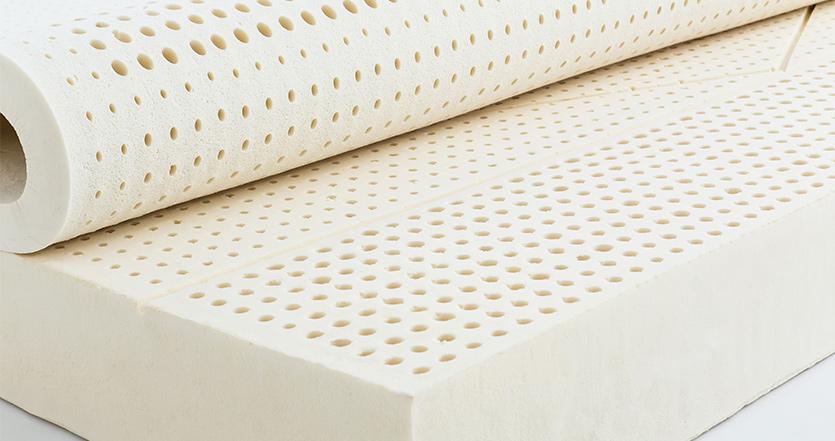
Understanding the differences between latex types is essential for making an informed mattress purchase, as the source material dramatically affects performance, durability, and price. Natural latex is harvested from rubber tree sap (Hevea brasiliensis) and processed into foam through either the Dunlop or Talalay method, each producing slightly different feel characteristics. Dunlop latex tends to be denser and firmer with a consistent feel throughout, while Talalay latex undergoes additional processing steps that create a lighter, more breathable foam with a livelier, more responsive feel. Synthetic latex, made from petroleum-based styrene-butadiene rubber (SBR), mimics some properties of natural latex at a lower cost but typically lacks the durability, resilience, and breathability of its natural counterpart. Blended latex combines natural and synthetic materials in varying ratios — a “natural latex” claim on a mattress may actually contain as little as 30% natural material, so look for specific certifications like GOLS (Global Organic Latex Standard) if purity is important to you.
Latex Mattress Longevity and Value
When evaluating the value proposition of a latex mattress, the initial higher price tag deserves context against its exceptional longevity. A quality all-natural latex mattress can maintain its supportive properties for 15-20 years — nearly double the lifespan of most memory foam or innerspring alternatives. This durability comes from natural latex’s inherent resilience: it resists permanent compression, returns to its original shape after each use, and does not develop the body impressions common in foam mattresses over time. Additionally, natural latex is naturally resistant to dust mites, mold, and mildew, reducing allergen accumulation over the years. Some premium latex mattress manufacturers even offer the ability to replace individual latex layers when comfort preferences change or after many years of use, effectively extending the mattress’s useful life even further without requiring a complete replacement.